

Deconstructing the Delight
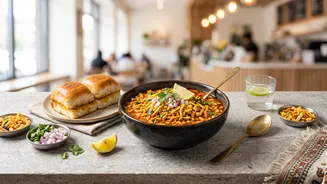
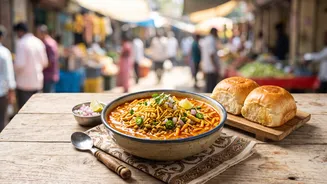
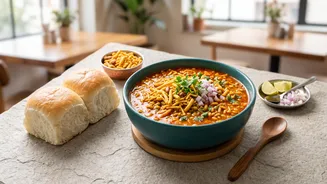
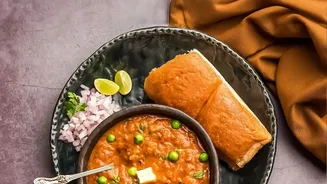
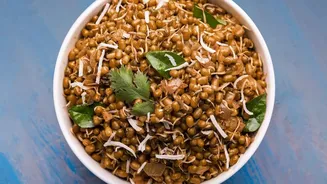
At its core, Misal Pav is a dish of delightful contrasts. The word 'Misal' itself means 'mixture' in Marathi, a fitting name for a plate that brings together so many distinct elements. The foundation is a spicy curry, known as 'usal', typically made from
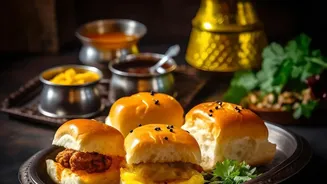
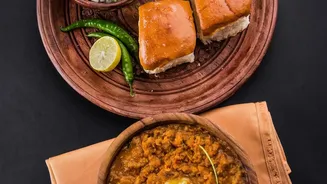
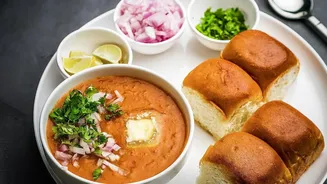
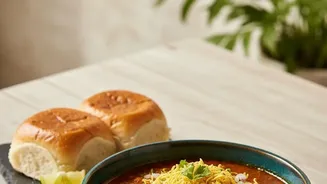
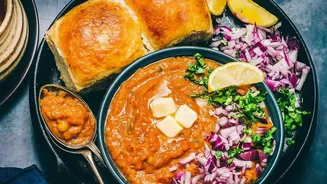
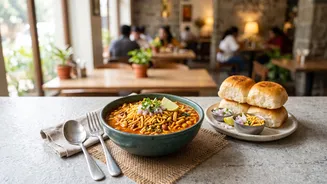
sprouted moth beans (matki). This isn't a single-note curry; it has two distinct parts. There's the 'usal' itself, the thick stew of cooked sprouts, and the 'rassa' or 'tarri'—a thin, fiery, and often oily layer of gravy that sits on top, waiting to be mixed in according to your courage. This combination is ladled into a bowl and then crowned with a generous handful of 'farsan', chopped onions, fresh coriander, and a wedge of lime for squeezing. It’s all served alongside soft, pillowy pav (bread rolls), the perfect vehicle to soak up every last drop of flavour.
The Essential Crunch and Zest
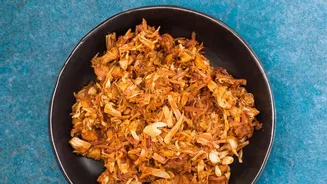
A Misal without 'farsan' is incomplete. Farsan is a broad term for a variety of savoury, crunchy snacks, often made from gram flour. In the context of Misal Pav, it usually refers to a mix that might include sev (crispy chickpea flour noodles), boondi, or other fried tidbits that provide an essential textural counterpoint to the soft sprouts and gravy. This crunch, combined with the sharp bite of raw onions and the bright, citrusy tang from a squeeze of lime, elevates the dish from a simple curry to a multi-layered experience. Every spoonful offers a different combination of textures and tastes—soft, spicy, crunchy, and tangy all at once. It's an interactive meal, inviting you to mix, crush, and combine until you find your perfect bite.
A Tale of Many Cities
To say you’ve had Misal Pav is to beg the question: which one? The dish is a matter of fierce regional pride in Maharashtra, with each city offering a distinct take. Kolhapuri Misal is legendary for its uncompromising heat, with a deep red 'rassa' that can be a challenge for the uninitiated. In contrast, Puneri Misal is often milder, sometimes with a hint of sweetness from goda masala, and frequently includes cooked potato or even poha (flattened rice) in its base. Nashik Misal strikes a different note altogether, known for its use of a special 'kala' (black) masala that gives the gravy a darker colour and a unique peppery profile, and it is often served with papad. Each variation tells a story about the local palate and ingredients, making a journey through Maharashtra a tour of Misal itself.
More Than Just a Meal
Misal Pav began as a humble and affordable meal for mill workers and labourers in the early 20th century, designed to provide a burst of energy for a long day's work. Its roots are in accessibility, a nutritious dish made from inexpensive sprouted beans and spices. Over time, it transcended these beginnings to become a cultural icon. It's a breakfast staple, a satisfying lunch, and a beloved street food snack that brings people from all walks of life together. It is a dish that fosters conversation and debate—about spice levels, the best local joints, and the proper way to eat it. In 2015, this very passion was recognised globally when a Mumbai restaurant's Misal Pav was named the world's tastiest vegetarian dish at an awards ceremony in London.