



A Return to Seasonal Rhythms
The renewed interest in seasonal eating is about more than just flavour; it’s a cultural shift. In a world of year-round availability, younger generations are finding value in eating what is fresh, local, and attuned to the climate. This philosophy, long-embedded
in traditional Indian food wisdom, is seeing a modern revival. The monsoon, in particular, brings forth a bounty of unique produce, and wild mushrooms are its most enigmatic stars. Spurred by a desire for authentic ingredients and a deeper connection to their food, young cooks are embracing these seasonal treasures, turning a trip to the local market into a culinary adventure. This trend aligns with a broader movement towards wellness and sustainability, where fresh, minimally processed food is prized for its superior nutrition and taste.
Meet the Monsoon's Fungi
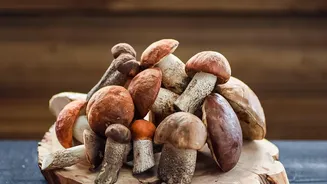
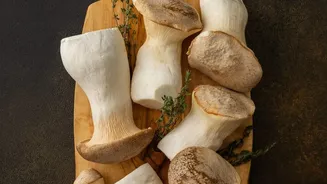
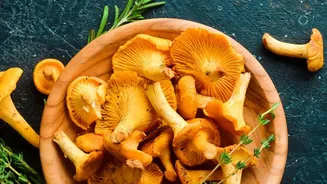
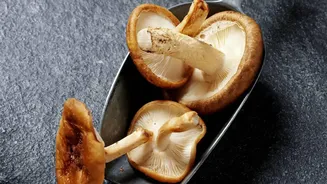
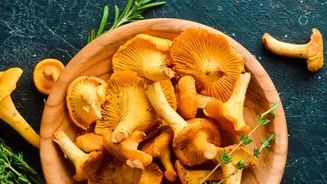
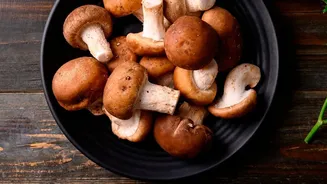
The monsoon mushroom basket is incredibly diverse and regional. In Goa and along the Konkan coast, the star is the 'Olmi' or 'Alami' (Termitomyces), which grows on termite mounds and is so prized it's sometimes called 'Goan Truffles'. These mushrooms cannot be cultivated, making them a rare and expensive delicacy available for only a few weeks. In Jharkhand, tribal communities harvest 'Rugda' or 'Putu' from the base of Sal trees, a mushroom so dense and flavourful it’s known as 'vegetarian mutton'. The Northwestern Himalayas offer their own varieties like 'Gucchi' (Morels), one of the most expensive mushrooms in the world. Other regions have their own local heroes, from the 'Bihiden' mushroom in Odisha to those that grow around bamboo groves. Each has a distinct texture and earthy flavour far removed from its commercially farmed cousins.
A Crucial Note on Safety
The allure of wild mushrooms comes with a serious caution: never pick and eat a mushroom unless you are with an expert who can definitively identify it. Many poisonous mushrooms look strikingly similar to edible ones, and misidentification can be fatal. Cooking does not necessarily neutralize the toxins in a poisonous mushroom; even inhaling fumes can be dangerous in some cases. The adage among foragers is a wise one: “There are old mushroom hunters, and there are bold mushroom hunters. There are no old, bold mushroom hunters.” The safest way to enjoy these monsoon delicacies is to buy them from trusted local vendors who have generations of knowledge in identifying what is safe to consume. Let them do the foraging, while you handle the cooking.
Simple Recipes to Spark Joy
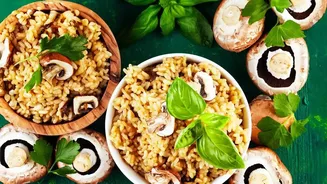
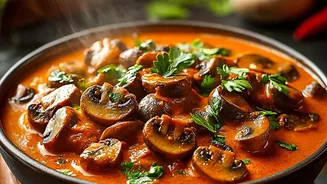
Cooking with seasonal mushrooms is about letting their unique character shine. A simple stir-fry is a great starting point. Sautéing the mushrooms with onions, a bit of ginger-garlic paste, and mild spices allows their natural, earthy flavour to dominate. In Goa, a favourite preparation is a simple sauté with turmeric, chilli powder, and salt. For a heartier meal, a coconut-based curry, like a Konkani 'Xacuti' or a South Indian 'Kuzhambu', provides a rich, comforting gravy that pairs beautifully with steamed rice or dosa. You can also stuff larger mushrooms or add them to a simple pulao or biryani for a fragrant one-pot meal. The goal is not to overpower the mushroom but to complement its delicate taste, which is often a mix of umami, earth, and the scent of fresh rain.