




The Shift from Prestige to Performance
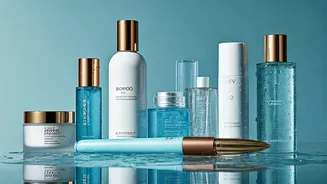
For years, the beauty industry operated on a simple premise: premium price equals premium performance. But a seismic shift is underway. A combination of economic uncertainty, high inflation, and the rise of a more discerning consumer has led many to question
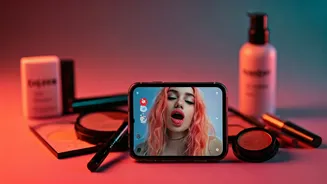
the necessity of a triple-digit price tag for a face cream. [1] In fact, recent data shows that for the first time in years, mass-market beauty sales are outpacing the prestige sector. [1] This isn't just about cutting costs; it's about a fundamental change in consumer psychology. Shoppers are now armed with more information than ever before, thanks to a relentless flow of content from social media platforms like TikTok. They've become 'skintellectuals'—savvy buyers who prioritize active ingredients and proven efficacy over brand heritage and luxurious packaging. [5, 12] This new mindset treats finding an affordable, effective product as a new kind of social status. [1]
Decoding the 'Dupe' Phenomenon
At the heart of this trend is the rise of the "dupe," a more affordable product that offers a similar performance or aesthetic to a high-end cult favorite. [9] This is no longer a hushed secret but a celebrated practice, with entire online communities dedicated to finding the best budget alternatives. [7] The dupe market, valued in the billions, is booming as consumers actively search for cost-conscious ways to participate in viral trends without the financial commitment. [19, 9] The key to a good dupe lies in the ingredient list. A true dupe doesn't just mimic the packaging; it contains the same or similar active ingredients—like hyaluronic acid, niacinamide, or retinol—that make the original product effective. [5] This is where the modern beauty consumer's intelligence shines. They are less interested in the brand name and more concerned with whether a product can deliver tangible, visible results. [10]
How to Be a Savvy Beauty Shopper
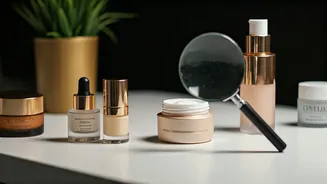
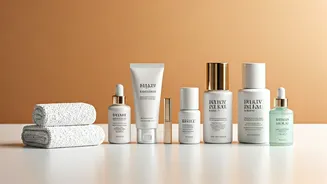
Embracing the value-for-money mindset is empowering. It starts with ignoring the marketing hype and focusing on the facts. The first step is to learn to read an INCI (International Nomenclature of Cosmetic Ingredients) list, which is the list of ingredients on the back of the product. Ingredients are listed in descending order of concentration, so the first few ingredients make up the bulk of the formula. Familiarize yourself with key actives that address your specific concerns. For hydration, look for hyaluronic acid and ceramides. For brightening, vitamin C is a powerhouse. For anti-aging and texture, retinoids are the gold standard. Use online resources and apps that can help you decode these lists and compare product formulations. Remember, a higher price doesn't automatically mean a better product; it's the ingredients, formulation, and concentration that determine effectiveness. [2]
The New Definition of Luxury
As spending habits evolve, so does the definition of luxury. In today's beauty landscape, luxury is less about exclusivity and cost and more about knowledge, results, and conscious choice. Consumers are simplifying their routines, focusing on fewer, better products that are tailored to their specific needs. [6] They are willing to invest, but the motivation is functional rather than aspirational; they seek out higher-quality ingredients and better performance. [6] The real luxury is the feeling of making an informed decision—of knowing you've found a product that works for your skin and your wallet. It's the confidence that comes from understanding what you're putting on your skin and why. This shift forces premium brands to work harder to justify their prices, moving beyond storytelling to prove their tangible benefits. [16]