

A Celestial Appointment
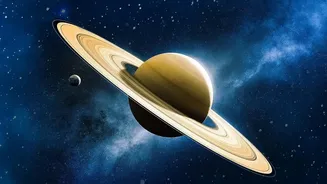
Throughout August, Saturn is getting ready for its big moment. On October 4, 2026, the planet will reach opposition, the point where Earth passes directly between Saturn and the Sun. This cosmic alignment means the planet is at its closest and brightest
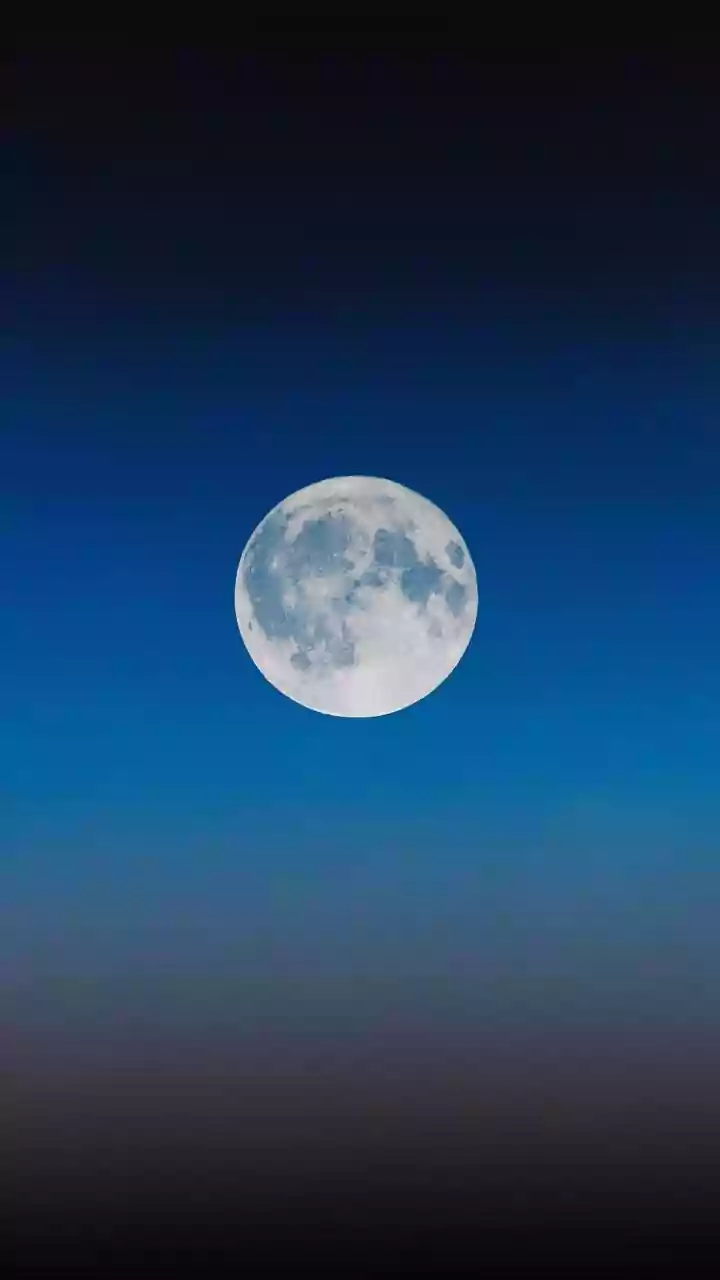
for the year. While the peak is in October, all of August is prime time for viewing. The planet will be rising earlier each night and growing steadily brighter, making it a fantastic and easy-to-find target in the evening sky. On the night of August 30-31, the Moon will pass close to Saturn, acting as a convenient signpost to help you locate it.
The Monsoon's Silver Lining
Stargazing in India during the monsoon might sound counterintuitive, but it has a secret advantage. While cloud cover is a challenge, the nights between spells of rain can offer exceptionally clear skies. Heavy monsoon showers act like a natural filter, washing dust, pollutants, and aerosols from the atmosphere. This 'scrubbing' effect results in incredible atmospheric transparency, making the stars and planets appear sharper and more brilliant than during the hazy pre-monsoon months. Your strategy should be to watch the weather forecast and seize the opportunity of a clear night right after a downpour for the best possible views. Some regions like Spiti Valley or the Thar Desert are also less affected by monsoon clouds, offering clearer skies throughout the season.
How to Find Saturn Tonight
You don't need to be an expert to find Saturn. This August, the planet will be visible in the constellation Pisces, near its border with Cetus. Look towards the eastern sky a few hours after sunset. Saturn will appear as a bright, steady point of light with a distinct yellowish-white or golden hue. One key trick to distinguish it from a star is to look for twinkling; stars twinkle, while planets generally shine with a more constant light because they are closer to us. For a helping hand, consider using a stargazing app on your smartphone like Stellarium or SkyView. These apps use your phone's location to show you a real-time map of the sky, making it simple to point your device upwards and identify exactly where Saturn is.
What to Expect: From Eyes to Eyepieces
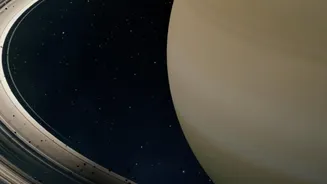
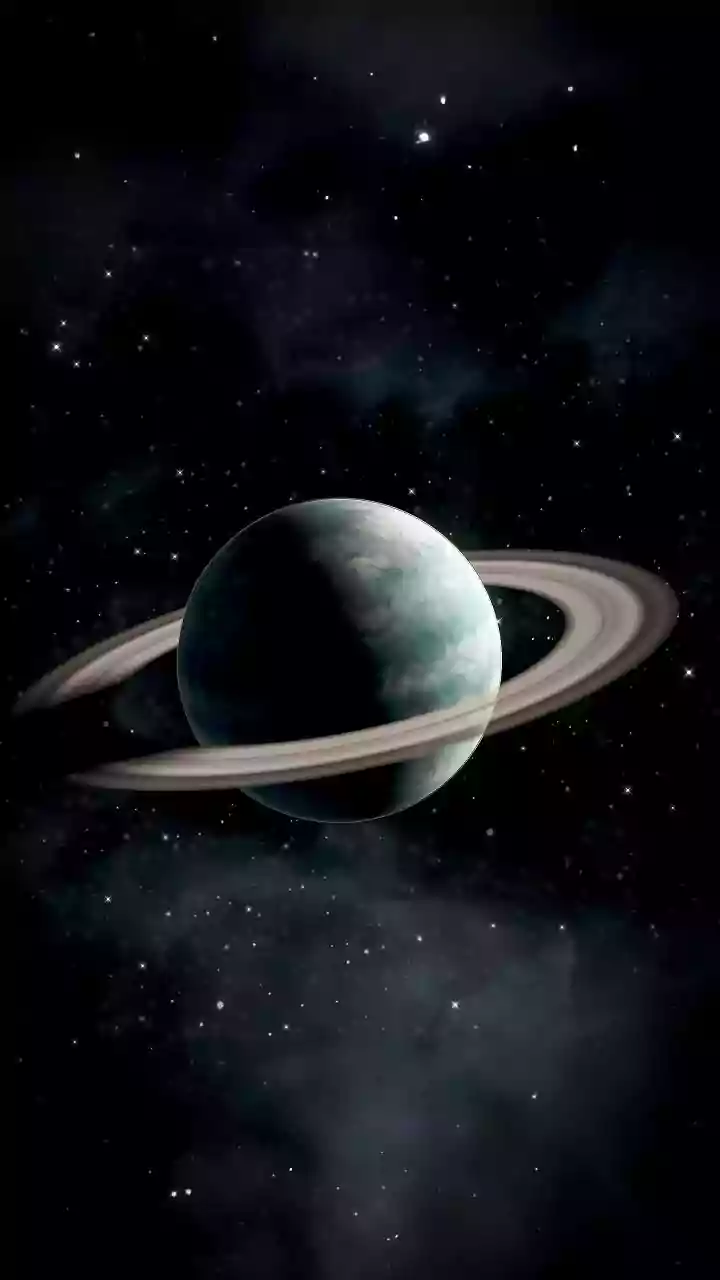
The experience of seeing Saturn changes dramatically with a little help. To the naked eye, it will look like one of the brightest stars in the sky. If you have a pair of binoculars, you'll get a better sense of its colour, and you might notice it's not a perfect point but a tiny disc. With good binoculars and dark skies, you may even spot its largest moon, Titan, as a faint dot nearby. However, the real magic happens with a telescope. Even a small, basic telescope with about 30x magnification is enough to reveal Saturn’s most famous feature: its incredible rings. Seeing the rings for the first time is a breathtaking moment that many astronomers say is a must-have life experience. With a more powerful instrument, you might even see the gap in the rings, known as the Cassini Division.
Tips for the Best Viewing Experience
To make the most of your Saturn-spotting night, a little preparation goes a long way. First, try to get away from city lights. Light pollution washes out fainter stars and makes it harder to see details. Even moving to a local park or a darker neighbourhood can make a big difference. Second, give your eyes time to adjust. It takes about 20-30 minutes for your eyes to become fully adapted to the darkness, which will allow you to see much more. Avoid looking at your bright phone screen during this time. If you need light, use a red flashlight, as it's less disruptive to your night vision. Finally, patience is key. Check the weather forecast, dress comfortably for the conditions, and give yourself time to simply enjoy the vastness of the night sky.