





The Unseen Danger in Water
It seems harmless, but all water—including tap water from your shower, pool water, and water from oceans or lakes—is home to countless microorganisms. One of the most dangerous for contact lens wearers is an amoeba called Acanthamoeba. This single-celled
organism is found worldwide in water and soil. If it gets trapped between your contact lens and your cornea, it can cause Acanthamoeba keratitis, a rare but severe and painful infection that can lead to permanent vision loss or even require a corneal transplant to resolve. Soft contact lenses are like tiny sponges, readily absorbing water and any contaminants within it, holding them directly against your eye.
Showering and Washing Your Face
One of the most common mistakes users make is showering or washing their face while wearing lenses. Optometrists and ophthalmologists strongly advise against this. Even if you keep your eyes closed, it’s not a foolproof method. Water can still seep in and get trapped under the lens. The rule is simple: if your face is getting wet, your lenses should be out. If you accidentally shower with your contacts in, experts recommend removing them as soon as you realise, and if they are daily disposables, throwing them away immediately. If they are reusable, they should be thoroughly cleaned and disinfected before being worn again.
Swimming Pools, Hot Tubs, and Oceans
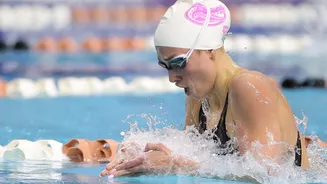
Swimming with contact lenses is a significant risk factor for eye infections. While pool water contains chlorine to kill some germs, it doesn't eliminate all of them, including resilient organisms like Acanthamoeba. Furthermore, chlorine can be absorbed by soft lenses, leading to eye irritation. Hot tubs are even riskier, as the warm water can be a breeding ground for bacteria. Natural bodies of water like oceans and lakes are untreated and carry a host of bacteria and microorganisms that can cause anything from minor irritation to severe infections. The safest approach is to remove your lenses entirely before swimming or invest in a pair of prescription swimming goggles.
The 'No Tap Water' Rule for Cleaning
Never use tap water to rinse your contact lenses or your storage case. This is a critical rule of contact lens hygiene. Even clean drinking water is not sterile and contains microorganisms that are unsafe for your eyes. Using tap water to rinse lenses or the case can introduce germs that lead to serious infections. Always use fresh, commercially prepared, sterile contact lens solution as recommended by your eye care provider. Never top off old solution with new; always discard the used solution and refill the case with a fresh supply each time you store your lenses.
Proper Hand and Case Hygiene
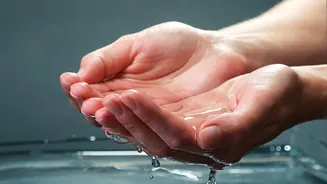
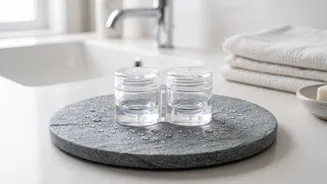
Your hygiene routine starts before you even touch your lenses. Always wash your hands thoroughly with soap and water, then dry them with a lintfree towel before handling your contacts. This prevents the transfer of dirt and germs from your fingers to your lenses and then to your eyes. Your lens case also needs regular attention. After putting your lenses in, you should empty the old solution, rinse the case with fresh sterile solution (never water), and let it airdry upside down with the caps off. It is also recommended to replace your lens case at least every three months to prevent a biofilm of bacteria from building up.