


The Golden Rule: 3 to 4 Days in the Fridge
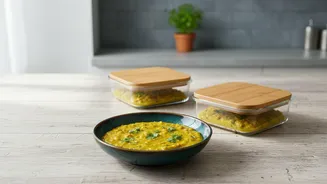
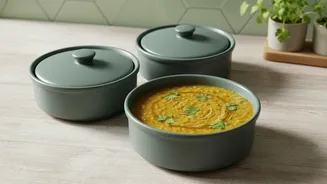
Let's start with the most important guideline. According to food safety authorities like the USDA, most cooked leftovers are safe to eat for three to four days when stored properly in the refrigerator at 40°F (4°C) or below. This applies to a wide range
of popular meal prep foods, including cooked meats, chicken, fish, casseroles, soups, and vegetable dishes. After this window, the risk of illness-causing bacteria multiplying to dangerous levels increases, even if the food doesn't look or smell spoiled. So, if you cook on Sunday, those refrigerated meals should be consumed by Wednesday or Thursday at the latest. This single rule is the foundation of smart batch sizing.
Plan for Your Actual Week, Not an Imaginary One
Before you decide what and how much to cook, look at your calendar. Do you have a dinner meeting on Tuesday? Is a friend treating you to lunch on Wednesday? Be honest about how many meals you will actually eat at home. It’s easy to fall into the trap of cooking seven identical lunches, only to have your plans change, forcing food into the bin. Instead, plan to batch cook for the days you know you’ll need a prepared meal. Maybe that’s just three lunches and two dinners. Starting with a realistic count prevents the automatic over-production that leads to waste.
Embrace Your Freezer as a Strategic Tool
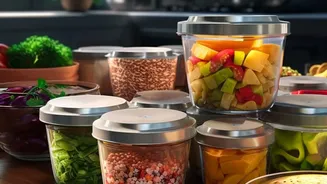
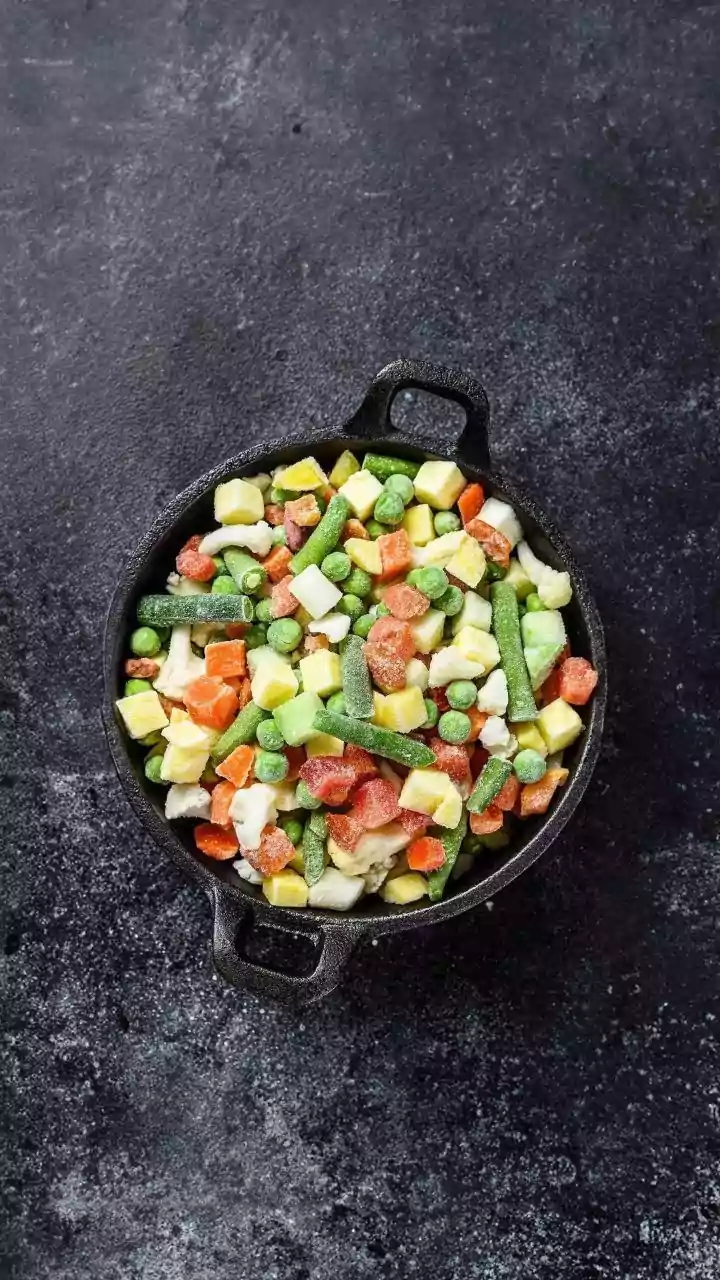
The freezer is your best friend for extending the life of your batch-cooked meals. While refrigerated leftovers last a few days, properly frozen food remains safe indefinitely. The main issue with long-term freezing is a decline in quality, flavour, and texture. Most prepared meals maintain good quality for two to four months. The key is to freeze food correctly. Don't just throw a giant container in the freezer. Instead, portion out meals into individual or family-sized servings in airtight containers or freezer bags. This way, you can easily grab and thaw exactly what you need. Label everything with the dish name and the date it was frozen to keep track.
Cook Components, Not Just Full Meals
A great way to manage batch size and add variety is to prep ingredients instead of complete, identical meals. For example, you can cook a large batch of quinoa, roast a tray of mixed vegetables, and grill several chicken breasts. Store each component separately in the fridge. Now, you have the building blocks for several different meals. One day, it could be a quinoa bowl with chicken and veggies. The next, you can add the chicken to a fresh salad or wrap the roasted vegetables in a tortilla with some beans. This approach gives you flexibility and helps you use up ingredients within that crucial 3-4 day window without getting bored.
Know What to Batch and What to Make Fresh
Not all foods are created equal when it comes to batch cooking. Soups, stews, chilis, and sauces are perfect for making in large quantities, and they often taste even better the next day. They also freeze exceptionally well. Hearty grains and proteins also hold up well. However, more delicate items don't fare as well. Salads with dressing will become soggy. Roasted vegetables can lose their texture and become soft after a day or two in the fridge. For these items, it’s better to either prep the ingredients (wash and chop lettuce, make the dressing separately) and assemble just before eating, or cook them in smaller, more targeted batches.