




Essential Monsoon Gardening Tips
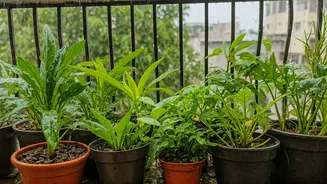
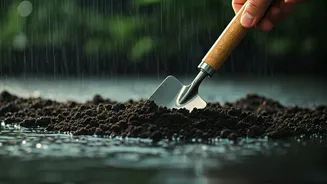
Before diving into the plants, remember the golden rule of monsoon gardening: drainage is everything. The constant rain can lead to waterlogged pots, which causes root rot. Ensure every pot has drainage holes at the bottom. Using a light, well-draining
soil mix—combining garden soil, compost, and cocopeat or sand—is crucial. Elevating your pots on bricks or stands can also help excess water escape. High humidity can invite fungal infections and pests, so ensure good air circulation between plants and consider a preventive spray of natural neem oil solution every couple of weeks.
Hibiscus: The Tropical Star
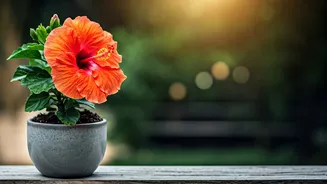
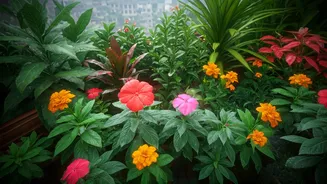
The hibiscus, or 'Gudhal', is a classic monsoon-loving plant. Its large, trumpet-shaped flowers in shades of red, pink, and white thrive in the humid conditions of the rainy season, adding a vibrant, tropical feel to any balcony. This plant loves sunlight, so place it in a spot that receives at least some direct sun even on cloudy days. While it loves moisture, ensure the soil isn't soggy. Regular pruning can encourage more of its famously showy blooms.
Marigold: The Cheerful Protector
Bright, hardy, and incredibly easy to grow, Marigolds (Genda) are a perfect addition to a monsoon balcony. Their cheerful yellow and orange flowers bloom profusely throughout the season. Marigolds are also known for being natural pest repellents, helping protect other, more delicate plants in your garden. They can withstand wet conditions as long as their pots have good drainage. Deadheading, or pinching off spent flowers, will encourage the plant to produce even more blooms.
Balsam: The Shade-Loving Bloomer
Often called Impatiens, Balsam is a fantastic choice for balconies that may not get a lot of direct sunlight. These plants flourish in moist, shaded conditions, producing a profusion of colourful flowers. Their delicate blooms add instant charm and are perfect for brightening up a gloomy corner during the rains. Balsam is an easy-care annual that grows quickly, making it a rewarding plant for beginner gardeners.
Rain Lily: The Monsoon Surprise
True to its name, the Rain Lily is a small, bulbous plant that often bursts into bloom right after a shower. Its delicate, star-shaped flowers in shades of white, pink, or yellow are a delightful sight during the monsoon. Rain lilies are incredibly low-maintenance and are perfect for small pots or as border plants in larger containers. They are an excellent way to add a touch of spontaneous magic to your balcony garden.
Creepers and Greens: Money Plant & Ferns
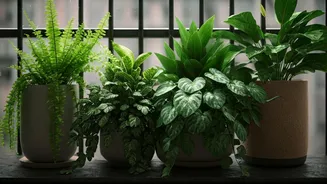
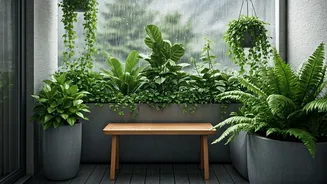
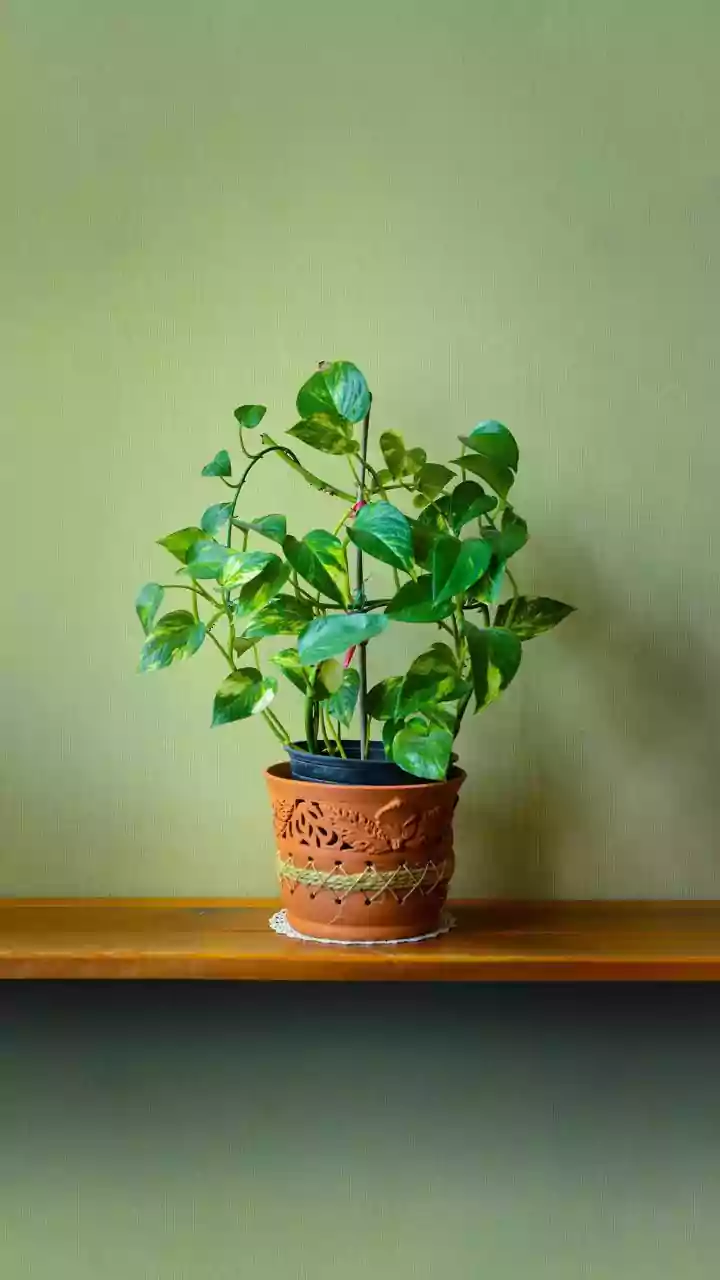
For adding lush foliage, you can't go wrong with Money Plants (Pothos) and Ferns. Both thrive in the high humidity and indirect light typical of the monsoon. The Money Plant is famously forgiving and can grow in soil or just water, its trailing vines adding a lovely cascading effect. Ferns, like the Boston or Maidenhair varieties, bring a soft, feathery texture to your garden but need protection from direct, heavy downpours. Both are excellent for air purifying.
Edibles: Chillies and Herbs
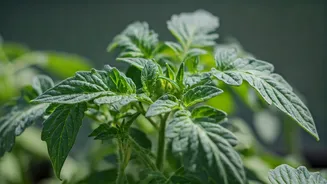
The monsoon is also a great time to grow some of your own food. Green chilli plants do surprisingly well in pots during the rainy season, as the humidity aids their growth. Just ensure they have a sunny spot and good drainage. Herbs like mint (pudina) and coriander also grow rapidly in the moist conditions, providing you with fresh flavours for your kitchen. Growing your own edibles can be incredibly rewarding and is easily achievable on a small balcony.