





Why the Monsoon is Tough on Your Scalp
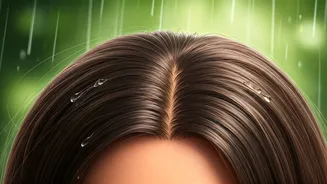
The magic of the monsoon comes with a downside: high humidity. This sticky, damp air is the primary culprit behind most rainy-season hair woes. Increased humidity stimulates your scalp's sebaceous glands to produce more oil, creating a greasy environment.
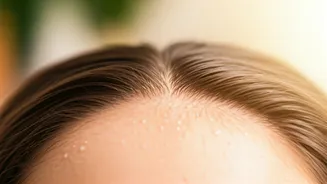
This excess oil, combined with sweat and pollutants from rainwater, can clog hair follicles. This creates a perfect breeding ground for bacteria and fungi, particularly Malassezia, the yeast associated with dandruff. The result is a cascade of problems: a perpetually itchy scalp, persistent dandruff, painful scalp acne, fungal infections like Tinea capitis, and increased hair fall as follicles weaken.
Master the Monsoon Cleanse
Keeping your scalp clean is non-negotiable during the monsoon. Regular washing, about two to three times a week, is crucial to remove the buildup of oil, sweat, and dirt. Opt for a mild, sulphate-free shampoo to cleanse effectively without stripping your scalp of its natural oils. If you get caught in the rain, make it a priority to wash your hair as soon as possible, as rainwater can be acidic and introduce irritants to your scalp. A key tip is to always ensure your scalp is completely dry. Never tie up damp hair, as this traps moisture and creates an ideal environment for fungal growth. Using a blow dryer on a cool setting can help ensure your roots are thoroughly dry.
Targeted Treatments for Common Woes
For specific issues, you need targeted ingredients. If dandruff is your main concern, look for anti-dandruff shampoos containing active ingredients like ketoconazole, zinc pyrithione, or salicylic acid. These ingredients work to control the fungal overgrowth that causes flakes. Tea tree oil is another powerful natural ingredient with proven antifungal and antibacterial properties, making it excellent for controlling dandruff, soothing itchiness, and managing scalp acne. You can find it in specialised shampoos or add a few diluted drops to your regular shampoo. For general itchiness and irritation, a weekly scalp mask with cooling ingredients like aloe vera or a clay-based mask can help absorb excess oil and soothe inflammation.
The Art of Oiling and Conditioning
While it may seem counterintuitive to add oil to an already greasy scalp, the right approach can be beneficial. Heavy oils like castor or coconut oil can be too much for the humid weather and may clog pores. Instead, opt for lighter, non-greasy oils such as jojoba, almond, or argan oil. Apply a light oil for a short period—about 30 minutes to an hour before washing—to nourish the scalp without creating buildup. When it comes to conditioner, always apply it to the mid-lengths and ends, avoiding the scalp. A lightweight, non-greasy conditioner will help control frizz without weighing down your hair or contributing to scalp oiliness.
Lifestyle Habits for a Healthier Scalp
What you do daily matters just as much as the products you use. Your diet plays a crucial role in scalp health. Ensure you're eating a balanced diet rich in protein, iron, zinc, and B vitamins by including foods like eggs, leafy greens, nuts, and lentils. Staying hydrated by drinking plenty of water also helps maintain your scalp's health from the inside out. Furthermore, avoid tight hairstyles that pull on the hair roots and can trap sweat and moisture against the scalp. Finally, try to minimise stress, as it can trigger and worsen scalp conditions like dandruff.