






More Than Just Physical Strength
The conversation around youth health is expanding. For generations, the primary focus was on physical fitness—excelling in sports, building muscle, and improving cardiovascular endurance. While these are still important, a new understanding of wellness
is emerging that is far more holistic. This broader model sees health as an interconnected system of physical, mental, and emotional well-being. Experts and educators now recognize that a truly healthy young person is not just physically capable but also emotionally resilient and mentally clear. This approach moves beyond simply treating illness or injury and shifts towards proactive prevention. The goal is to equip young people with the tools they need to manage stress, navigate challenges, and build a strong foundation for lifelong health.
The New Wellness Toolkit for Youth
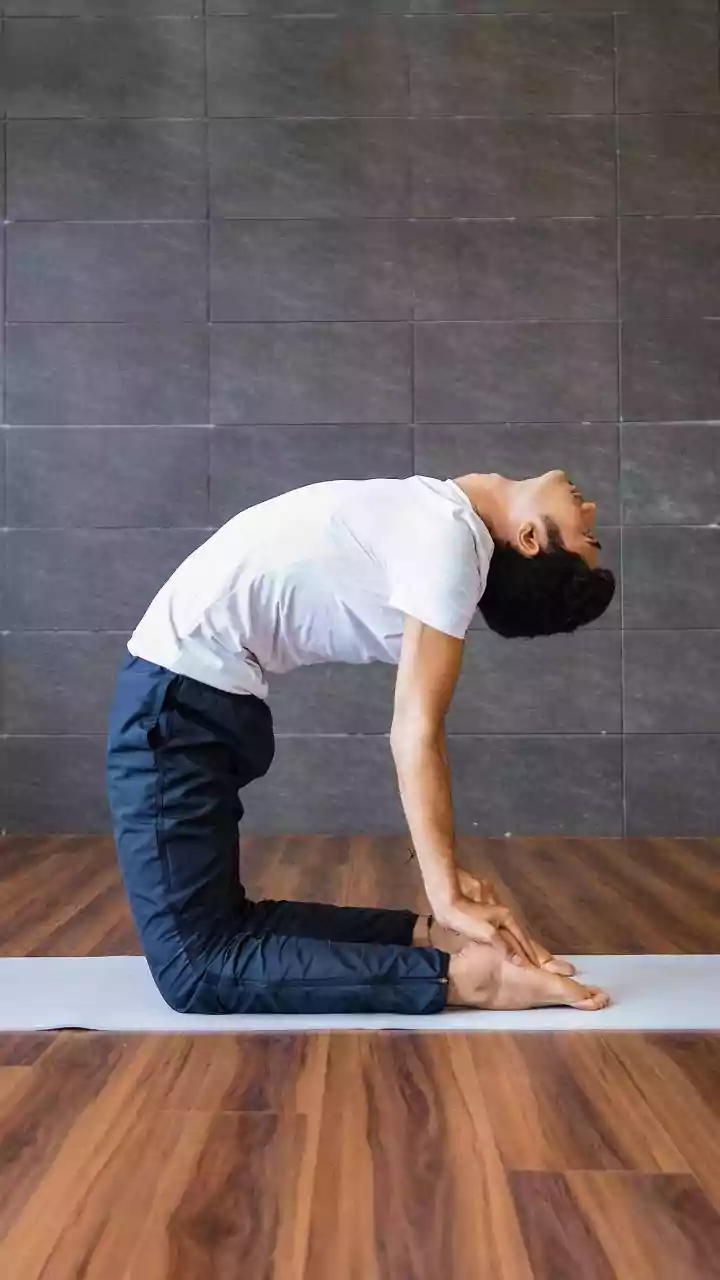
So, what do these new activities look like in practice? The toolkit is diverse and tailored to nurture the whole person. On the physical side, there’s a move towards functional fitness, which involves exercises like squats and lunges that prepare the body for real-life movements and help prevent injury. Bodyweight training and a smarter approach to sports that integrates proper recovery are also gaining traction. More significantly, the new model places huge emphasis on mental and emotional health. Activities like yoga and meditation are becoming mainstream for young people in India and globally, prized for their ability to reduce stress and increase self-awareness. Schools and community programmes are introducing mindfulness practices, journaling to process emotions, and even using music as a therapeutic tool to help teenagers connect with their feelings. This is complemented by a rise in wellness retreats for youth in places like Rishikesh and Goa, which focus on building confidence and emotional balance through a mix of yoga, meditation, and healing therapies.
What's Driving This Shift?
Several factors are fuelling this move towards holistic wellness. There is a growing, and much-needed, global conversation around mental health that has destigmatized asking for help. Young people today are navigating immense academic pressure, the complexities of social media, and a fast-paced world, all of which can take a toll on their mental state. As a result, parents, educators, and young people themselves are recognising that coping mechanisms are not just a bonus but a necessity. Organisations across India are responding to this need. For example, programmes like WorldBeing's 'Youth First' in Bihar and 'Aarohan' in Jharkhand are designed to build skills of well-being and resilience from the inside out. Similarly, frameworks like CBSE's Life Skills curriculum aim to integrate essential psychosocial abilities, such as emotional regulation and stress management, directly into education.
Prevention as the Ultimate Goal
Perhaps the most powerful aspect of this broader model is its focus on prevention. By introducing wellness practices early, the aim is to build resilience that helps young people navigate adversity throughout their lives. This preventive mindset is about proactively identifying needs and providing support before challenges escalate into crises. Regular check-ups for adolescents are now often including mental and behavioural health screenings alongside physical ones. The idea is to create a supportive ecosystem where teens feel safe to discuss their feelings and learn healthy ways to cope. When young people learn to manage stress, understand their emotions, and take care of their bodies and minds in an integrated way, they are not just becoming healthier students or athletes; they are becoming more balanced and capable adults.