
A recent conversation with Sonia Gandhi about her family's Diwali memories has shone a light on a delicious and culturally rich tradition: Kashmiri festive food. Her mention of a sweet rice dish offers a gateway into a world of aromatic, celebratory cuisine.
A Diwali Story of Taste and Tradition
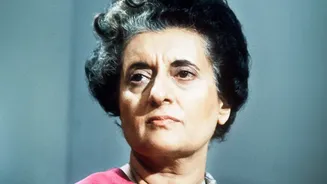
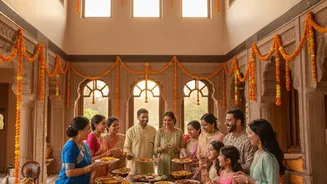
In a recent video conversation with her daughter Priyanka and granddaughter Miraya, Sonia Gandhi reminisced about Diwali celebrations at 1, Safdarjung Road, the former residence of her mother-in-law, Indira Gandhi. Amidst memories of lighting diyas and visiting Old Delhi for firecrackers, she shared a particularly resonant detail. 'On festivals we always used to have Kashmiri food and that sweet rice… which we still make, by the way,' she recalled. This enduring tradition connects directly to the family's heritage, as the Nehrus were Kashmiri Pandits. The anecdote reveals how, beyond the political sphere, food serves as a powerful thread connecting generations to their cultural roots, with recipes and rituals passed down as cherished heirlooms.
The Sweet Star: What is Modur Pulav?
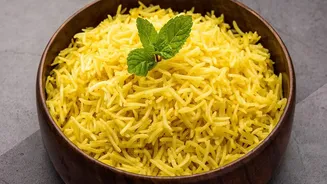
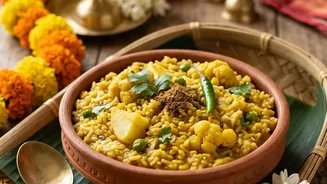
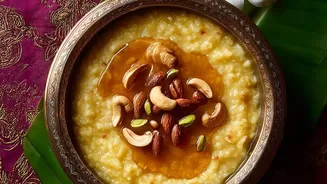
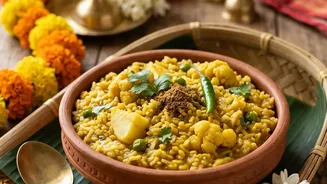
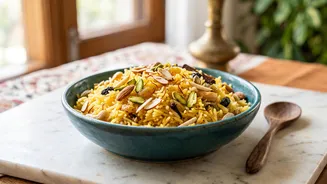
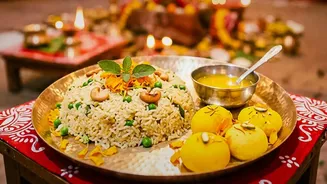
While Sonia Gandhi referred to it simply as 'sweet rice', the dish she described is likely the celebrated Modur Pulav. In Kashmiri, 'modur' means sweet. This is not your typical savoury pilaf; it is a luxurious, celebratory dish that beautifully balances sweetness and fragrance. At its heart is aromatic Basmati rice, cooked in ghee and milk or water, and infused with precious saffron, which imparts its signature golden hue and delicate aroma. The rice is then enriched with a generous mix of fried nuts like almonds and cashews, along with raisins and sometimes dried coconut, creating a dish that is as texturally delightful as it is flavourful. Its gentle sweetness comes from sugar, making it a perfect festive indulgence that sits uniquely between a main course and a dessert.
A Glimpse into the Kashmiri Festive Kitchen
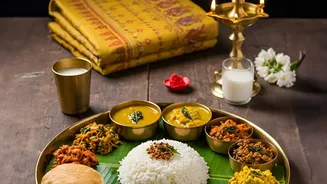
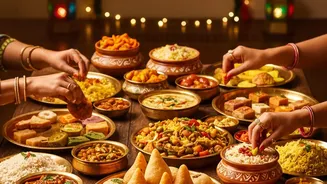
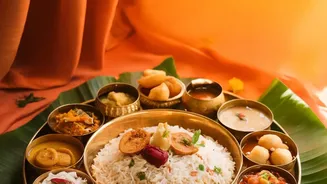
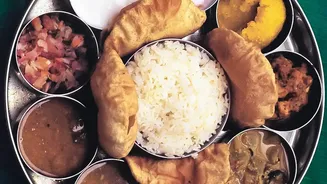
Modur Pulav is a star, but it rarely appears alone. It is a key player in a wider symphony of Kashmiri festive cuisine, which is renowned for its complexity and depth of flavour. The most famous expression of this is the 'Wazwan', a multi-course ceremonial feast where dishes are served in a specific order, culminating in the revered Gushtaba (minced mutton meatballs in a yoghurt gravy). Beyond the Wazwan, a festive table in Kashmir might feature iconic dishes like Rogan Josh, a rich and aromatic lamb curry known for its deep red colour derived from Kashmiri chillies. Another staple is Yakhni, a lighter, yoghurt-based mutton curry subtly flavoured with fennel seeds and cardamom. For vegetarians, Kashmiri Dum Aloo, where baby potatoes are simmered in a spicy, fennel-scented gravy, is a beloved classic. These dishes, often slow-cooked, reflect a culinary tradition that is patient, refined, and deeply tied to the region's seasons and celebrations.
Food as a Bridge to Heritage
Sonia Gandhi's story underscores a universal truth: food is a keeper of memory and identity. For the Nehru-Gandhi family, the preparation of Kashmiri dishes was a way to maintain a connection to their ancestral home, even while living in the heart of Delhi. In her memoir, Sonia Gandhi notes that many everyday meals in Indira Gandhi’s household were prepared in the Kashmiri Pandit style, and festivals like Nauroz, the Kashmiri New Year, were marked with traditional foods. This practice of preserving culinary heritage is common across India, where regional recipes are not just about sustenance but about telling a story of where a family comes from. Each spice and every technique is a link in a chain of cultural continuity, a delicious reminder of one's roots.