


The City Lights We Can't Switch Off
Rapid urbanisation across India has blanketed cities like Delhi, Mumbai, and Bengaluru in a perpetual twilight known as light pollution. This isn't just about missing the stars; it's a growing environmental and wellness concern. Caused by poorly designed
streetlights, glowing billboards, and commercial lighting, this artificial glare disrupts more than just our view. Studies show that constant exposure to artificial light at night can interfere with our natural sleep cycles by suppressing melatonin production, potentially leading to sleep disorders, stress, and other health issues. Major Indian cities now rank high on the Bortle scale, a measure of night-sky brightness, meaning their cores are so illuminated that the Milky Way is completely invisible.
The Rise of Astrotourism in India
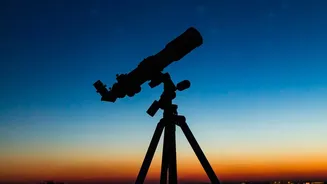
In response to this light-saturated urban life, a niche but rapidly growing travel sector is booming: astrotourism. More than just a trip for amateur astronomers, it’s about the simple, profound experience of seeing a truly dark sky. The trend is gaining serious momentum. After Hanle in Ladakh was designated India's first official Dark Sky Reserve in 2022, tourist numbers jumped from 5,000 to over 30,000 in a year. Companies offering stargazing experiences and workshops at resorts are also seeing visitor numbers surge. This isn't just about looking through a telescope; it's a chance to reconnect with a part of nature that has been lost to city life for generations.
A Retreat for the Mind and Soul
The appeal of a dark-sky escape goes far beyond pretty views. It’s a powerful form of wellness travel. Standing under a canopy of thousands of stars triggers a sense of awe, which studies show can reduce stress and make personal problems feel smaller. This quiet, meditative experience helps activate the body's 'rest and restore' nervous system, calming the mind in a way that a bustling city vacation cannot. It’s also an enforced digital detox. In remote locations with pristine skies, mobile signals are often weak or non-existent, forcing a welcome disconnect from the screens that dominate modern life. It’s a chance to reset your internal clock, improve sleep, and find a sense of connection to something vast and ancient.
Finding Your Patch of Starry Sky
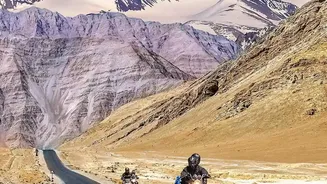
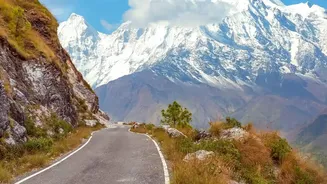
Once a pursuit for serious trekkers, finding a dark sky is becoming more accessible. While high-altitude deserts like Ladakh and Spiti Valley offer world-class conditions, you don't necessarily need a Himalayan expedition. Pench Tiger Reserve in Maharashtra recently became India's first Dark Sky Park, combining wildlife with stargazing. The salt flats of the Rann of Kutch in Gujarat, and desert camps around Jaisalmer in Rajasthan provide stunning celestial views during clear winter nights. In the south, regions like Coorg and parts of the Western Ghats offer skies dark enough to see the Milky Way. Several companies now operate observatories and run guided stargazing nights in more accessible hill stations like Kausani in Uttarakhand, making it easier for a weekend traveller to experience the cosmos.