
More Than Just 'Sick-Day' Food
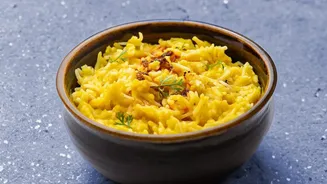
For generations, khichdi has been the go-to meal for recovery, thanks to its easily digestible nature. Made from a simple base of rice and lentils, it's a complete protein source that provides energy and nourishment without taxing the digestive system.
However, to label it merely as food for the unwell is to overlook its rich history and cultural significance. The name itself derives from the Sanskrit word 'khiccā', signifying a dish of rice and legumes. Across India, khichdi is a canvas for regional flavours, traditions, and ingredients, transforming from a simple porridge into a celebratory feast.
A Culinary Tour of India's Khichdis
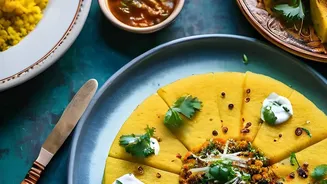
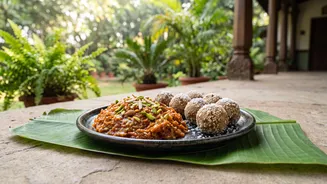
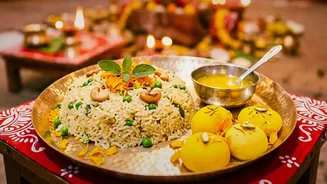
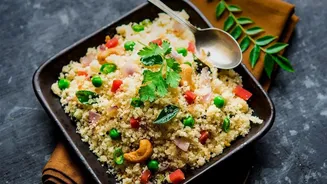
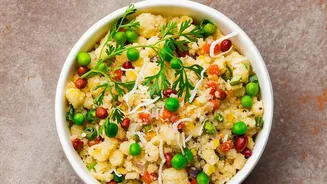
The beauty of khichdi lies in its adaptability. In West Bengal, 'khichuri' is a festive dish often enjoyed during Durga Puja, made with roasted moong dal and fragrant gobindobhog rice for a slightly sweet and savoury taste. Travel west to Gujarat, and you'll find a lighter, smoother khichdi traditionally served with a sweet and sour 'kadhi', a yogurt-based curry. In Rajasthan, where millet is abundant, 'bajra khichdi' offers a rustic and hearty alternative. Down south, Tamil Nadu's 'Ven Pongal' is a creamy, ghee-laden version spiced with black pepper and curry leaves, often served for breakfast. Each variation tells a story of local agriculture and culinary preference.
Team Curd: The Soothing Companion
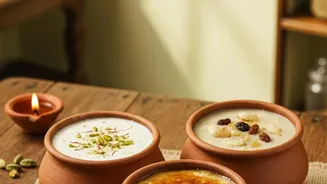
For many, a bowl of khichdi is incomplete without a side of plain curd (dahi) or raita. This pairing is a masterclass in balance. The cooling properties of yogurt provide a soothing counterpoint to the warmth of the khichdi. This is especially true for simpler, more mildly spiced versions of the dish. Nutritionally, curd offers probiotics that support gut health. When you're feeling under the weather, a simple moong dal khichdi with a spoonful of curd is gentle, nourishing, and aids in recovery. Some even elevate the experience by serving it alongside kadhi, a spiced yogurt-based gravy that turns the meal into a more substantial affair.
Team Pickle: The Piquant Partner
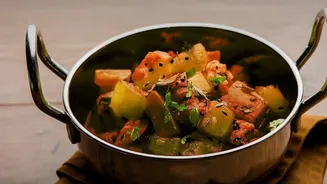
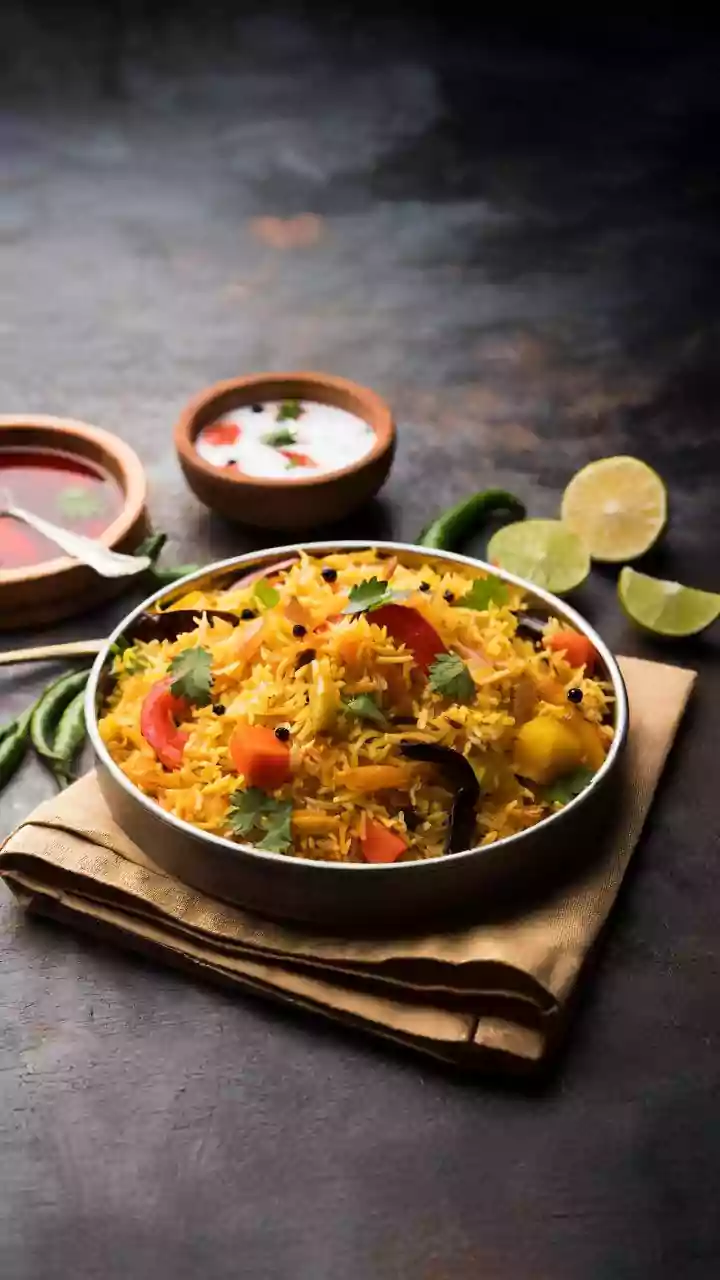
On the other side of the flavour spectrum is pickle, or 'achaar'. If curd is the calm companion, pickle is the feisty friend that adds a jolt of excitement. A small amount of spicy mango, lime, or chilli pickle can cut through the soft, often singular texture of khichdi, introducing a burst of tangy and spicy notes. This pairing works exceptionally well with richer, more flavourful versions like masala khichdi or the Bengali khichuri. The intense flavour of the pickle means a little goes a long way, providing that much-needed 'zing' to elevate the humble dish. According to some traditions, a quartet of accompaniments—curd, pickle, papad, and ghee—makes the khichdi experience whole.
The Verdict: It's All About Context
So, which is the superior accompaniment? The truth is, there's no single winner. The choice between curd and pickle often depends on the type of khichdi, the occasion, and personal preference. A plain, comforting khichdi made during illness almost always calls for the gentleness of curd. A flavourful, vegetable-laden masala khichdi enjoyed on a rainy day might be better suited to the sharp kick of a spicy pickle. And in many households, the ultimate answer is 'why choose?'. A dollop of curd on one side of the bowl and a sliver of pickle on the other offers the best of both worlds—the soothing calm and the exciting contrast, all in one perfect meal.