




The New Face of the Monsoon
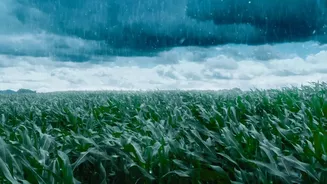
For centuries, the rhythm of India has been set by the monsoon. But that predictable pattern is becoming a thing of the past. A growing body of scientific evidence shows the monsoon is growing more erratic. We are seeing fewer rainy days overall, but
when it does rain, it often comes in sudden, intense bursts. This is punctuated by longer, drier spells. This shift from steady, soaking rains to a cycle of drought and deluge is a direct consequence of a warming climate and has significant implications for the health of India's diverse forest ecosystems. Studies now indicate that about 75% of India's districts are prone to such extreme hydro-meteorological disasters.
When Rain Destroys Rather Than Nurtures
Not all rain is good for the soil. Gentle, consistent rainfall is easily absorbed, replenishing groundwater and nourishing plant roots. In contrast, intense downpours on dry, hardened earth do the opposite. The sheer force of the water hammers the ground, dislodging the nutrient-rich topsoil and washing it away in a process called soil erosion. India loses an estimated 5.3 billion tonnes of fertile topsoil to erosion annually. This is particularly severe on sloped, deforested terrain, common in many of India's forest regions. The topsoil contains the essential nutrients that trees need to grow, and its loss can degrade the land, making it harder for forests to sustain themselves or regenerate. This erosion also leads to increased runoff, which can cause flooding downstream rather than recharging vital groundwater reserves.
A Shift in the Green Canopy
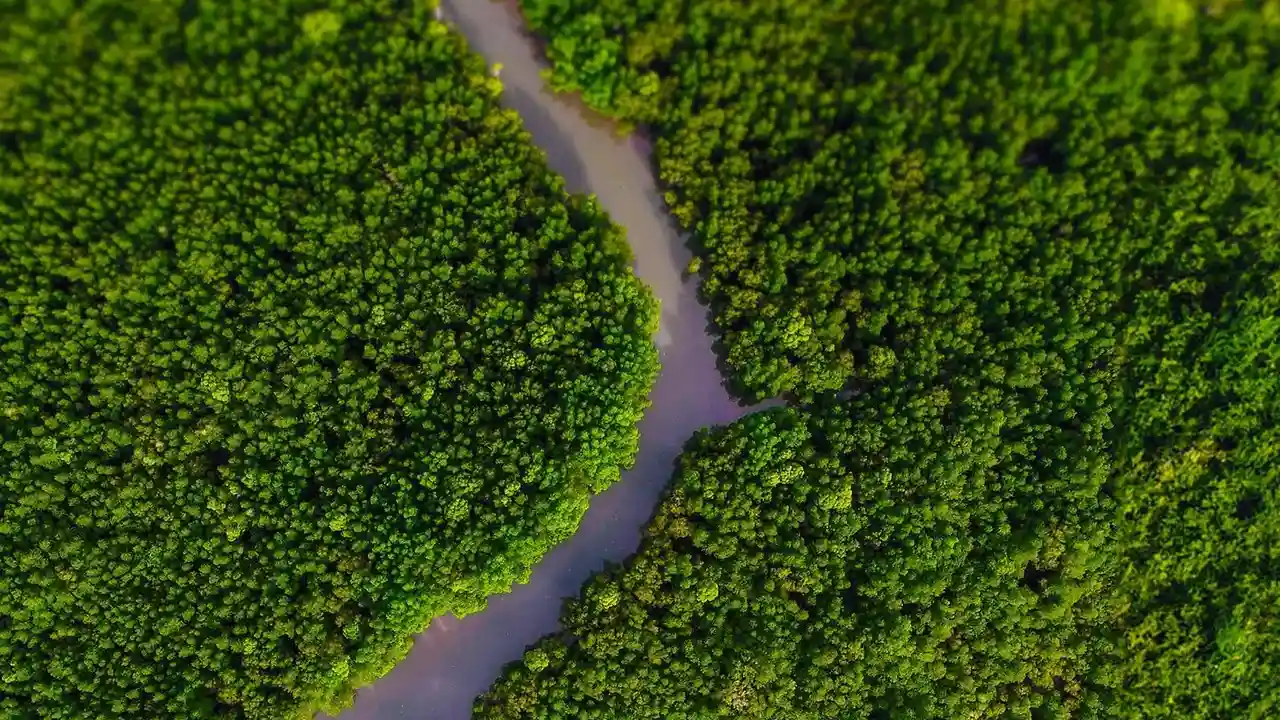
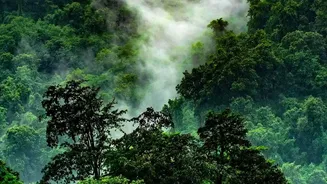
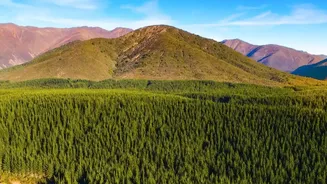
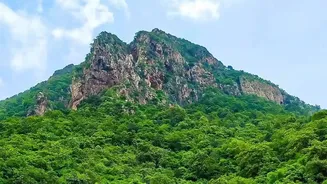
These evolving rainfall patterns are creating winners and losers in the plant kingdom. Some of India's most important tree species are adapted to specific moisture levels. Recent research in central India's Panchmarhi Biosphere Reserve highlights how these changes are affecting different forest types. Dry deciduous forests, such as those dominated by teak, are proving more vulnerable to moisture stress from extended dry spells and have seen significant losses in canopy cover. Conversely, moist deciduous forests, with their deeper canopy, appear somewhat more resilient to short-term instability. In other regions, like the Himalayas, iconic oak forests are struggling to regenerate, while chir pine is spreading to higher elevations. This gradual but persistent change in species composition can fundamentally alter the structure and function of the entire forest.
The Ripple Effect on Wildlife
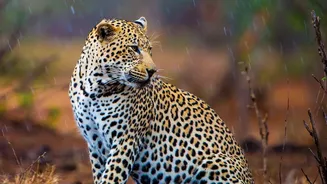
When the type of trees in a forest changes, so does everything else that lives there. The entire food web is interconnected. Altered rainfall patterns disrupt the lifecycle of trees, affecting when they flower and fruit—a process known as phenology. This mismatch in timing can have cascading effects on the insects, birds, and mammals that depend on those specific plants for food and shelter. For instance, shifting rainfall has caused elephants in southern India to wander outside their usual territories in search of water and food, increasing human-wildlife conflict. Similarly, the shrinking of wetland habitats due to erratic monsoons threatens migratory bird populations. This disruption threatens India’s rich biodiversity, which includes thousands of unique species.
Why It Matters Beyond the Forest
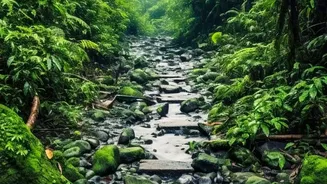
The health of India's forests is not an isolated issue; it is directly linked to the nation's water security, economic stability, and the well-being of its people. Forests act as giant sponges, absorbing monsoon rains and steadily releasing water into rivers and groundwater systems. When this function is impaired by soil erosion and reduced absorption, it threatens the water supply for millions. Furthermore, many of India's most vulnerable communities, including Adivasi populations, depend directly on forests for their livelihood, food, and resources. Ecological changes that degrade forest health directly endanger their way of life. By altering the ability of forests to store carbon, these climatic shifts also have wider implications for India's efforts to combat climate change.