


Know Your Plant’s Sunlight Needs
Before you move anything, the first step is to confirm the plant actually wants more sun. Not all plants are sun-worshippers. Many popular houseplants, like ferns, calatheas, and some philodendrons, are tropical understory plants that thrive in indirect
light. Exposing them to intense, direct sun can be harmful. In contrast, plants like succulents, cacti, geraniums, and most vegetables and herbs such as rosemary and basil flourish with at least six hours of direct light. Check the light requirements for your specific varieties. If a shade-lover is looking pale, it might need a spot with brighter, indirect light, not necessarily direct sun. Understanding this fundamental need will prevent you from accidentally stressing a plant that was perfectly happy in the shade.
Acclimatize Them Gradually
Plants, much like people, need time to adjust to a more intense environment. Moving a plant directly from a shaded corner to a spot with hours of direct sun will cause shock, leading to sunburned leaves and stress. The correct process is called 'hardening off' or acclimatization. Start by placing your plant in the new, sunnier location for just an hour or two in the morning, when the sun is less intense. After a couple of days, gradually increase its exposure by about an hour every few days. This process should take one to two weeks. During this time, keep a close eye on the foliage. If you notice any signs of stress, reduce the sun exposure for a couple of days before trying to increase it again.
Adjust Your Watering Schedule
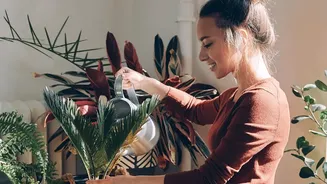
More sun means more heat, which leads to faster evaporation from both the soil and the leaves. A plant that was happy with a weekly watering in the shade might need water every day or two in a sunny, windy spot. Potted plants, in particular, dry out very quickly. Don't just water on a new, rigid schedule; check the soil first. The best method is to feel the top inch or two of soil; if it's dry, it's time to water. When you do water, do so thoroughly until water runs out of the drainage holes. This encourages deep root growth. The best time to water is early in the morning, which allows the plant to absorb moisture before the day's heat and helps prevent fungal diseases that can arise from damp leaves overnight.
Inspect for Pests and Diseases
Moving is a stressful event for a plant, and stress can make it more susceptible to pests and diseases. Before and during the transition, take the time to inspect your plants thoroughly. Look under leaves, around stems, and on the soil surface for common pests like aphids, spider mites, and whiteflies, which can thrive in warm conditions. Additionally, check for any signs of disease, such as powdery mildew or fungal spots. A healthy, well-acclimated plant is better equipped to fend off these problems, but it's always wise to catch any infestations early before they become a major issue in your balcony garden.
Monitor for Signs of Sun Stress
Your plants will tell you if the new location is too much for them. It's crucial to know the difference between sun stress, which is reversible, and sunburn, which is permanent damage. Early signs of sun stress include leaves looking faded, paler, or developing a slight reddish or purplish tint. You might also see leaves curling or drooping during the hottest part of the day to reduce their exposed surface area. If you see these signs, it's a warning to reduce sun exposure. Sunburn, on the other hand, appears as white, yellow, or brown patches on the leaves that feel dry, brittle, or papery. These scorched parts of the leaf will not recover, so it's best to act at the first signs of stress.
Consider Your Containers and Soil
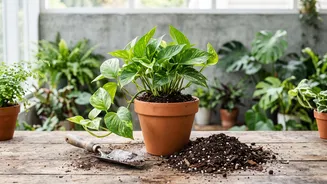
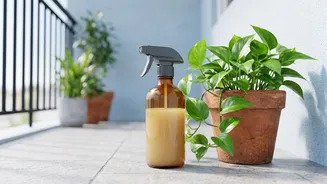
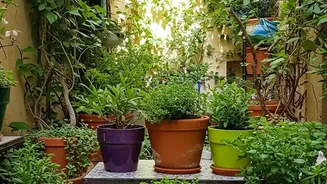
The pot itself plays a role in how well a plant handles the heat. Dark-colored plastic pots can absorb a lot of heat, essentially baking the roots in direct sun. Light-colored ceramic, glazed, or terracotta pots are better at reflecting heat. However, be aware that porous materials like terracotta also dry out much faster. Ensure every pot has adequate drainage holes, as waterlogged roots will rot, killing a plant faster than sun exposure. You can also add a layer of organic mulch, like bark or compost, on top of the soil. This helps retain moisture, keeps the roots cool, and reduces the need for constant watering.