

The Core of the Advisory
In its recently updated Dietary Guidelines for Indians, the ICMR-NIN strongly advises against the regular, unmonitored consumption of protein supplements. The core message isn't that protein is bad, but that most people's protein needs can and should
be met through a balanced diet alone. The guidelines highlight that for the average healthy adult, and even for most athletes, a well-planned diet provides sufficient protein for muscle repair and growth, making expensive supplements largely unnecessary.
The Hidden Health Risks
The primary concern driving this advisory is the potential for long-term health damage from excessive protein intake. The ICMR specifically points to a few key risks. Firstly, consuming high levels of protein, particularly from supplements, can place significant strain on the kidneys. These organs are responsible for filtering waste products from protein metabolism, and an excessive load may lead to damage over time, especially in individuals with pre-existing kidney issues. Secondly, some studies have linked prolonged high-protein diets to bone mineral loss, as the body may draw calcium from bones to buffer the acidic load produced during protein digestion.
The BCAA and Additive Problem
The guidelines also single out two specific issues with commercial protein powders. Many popular whey proteins are rich in branched-chain amino acids (BCAAs). While essential for muscle building, the ICMR notes that some evidence suggests excessive BCAA intake through supplements could increase the risk of non-communicable diseases like insulin resistance. Beyond the protein itself, there's the issue of what else is in the tub. Protein powders are often formulated with added sugars, artificial sweeteners, and flavourings to make them more palatable. These additives offer no nutritional benefit and can detract from the product's overall healthfulness.
How Much Protein Do You Really Need?
A common misconception is that building muscle requires massive amounts of protein. The ICMR-NIN's recommendations are more moderate. For a healthy but sedentary adult, the Recommended Dietary Allowance (RDA) is 0.83 grams of protein per kilogram of body weight per day. This means a 65 kg person needs about 54 grams of protein daily. For those who are more active, the requirement can increase to between 1.2 and 1.6 grams per kg. The guidelines state that protein intake greater than 1.6 g/kg/day does not significantly contribute to further muscle gain from resistance training. This amount is often easily achievable through diet.
The 'Food First' Solution
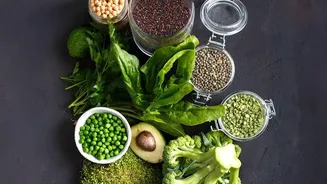
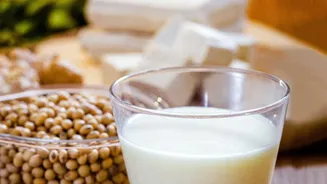
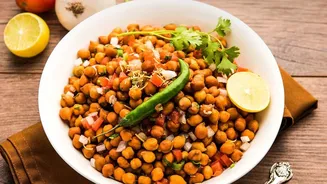
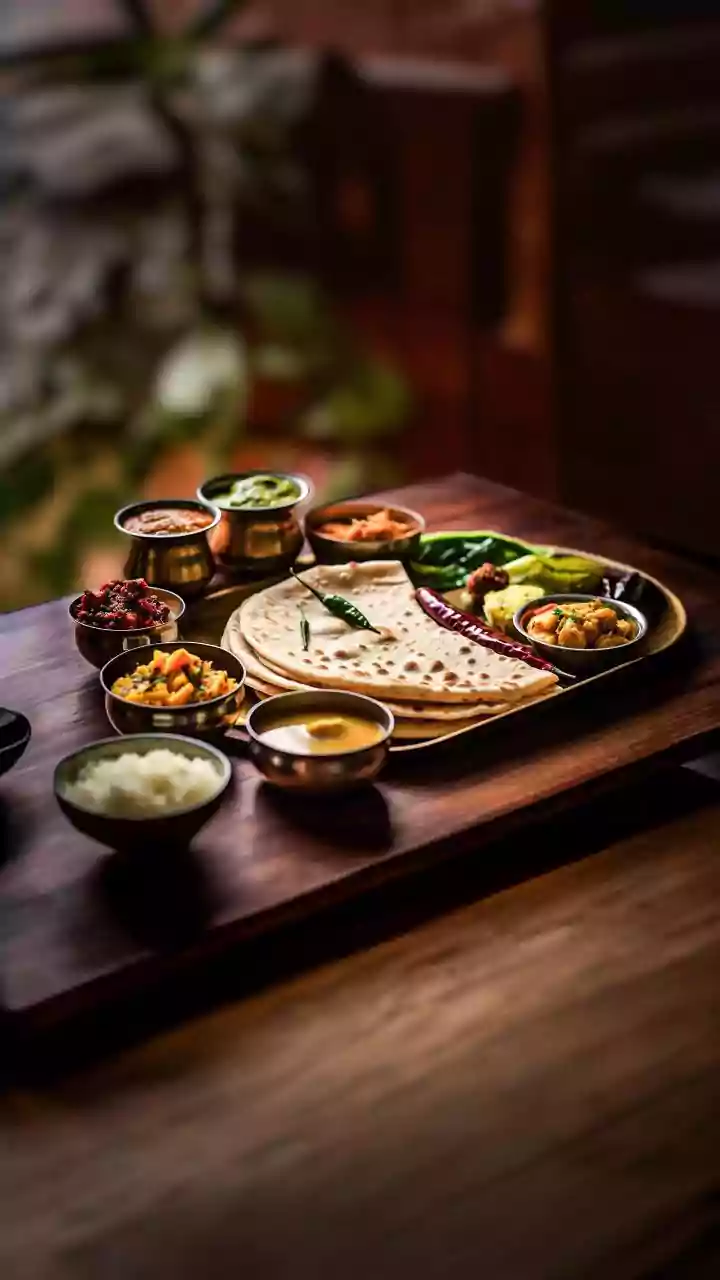
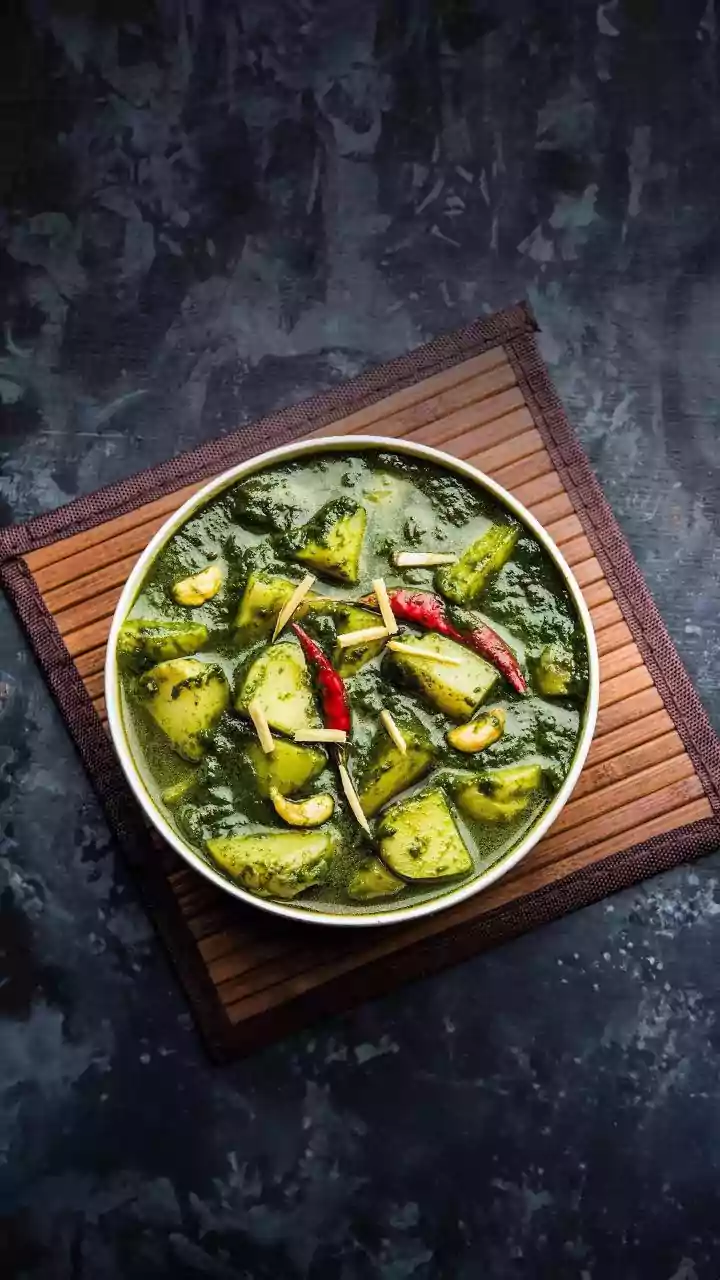
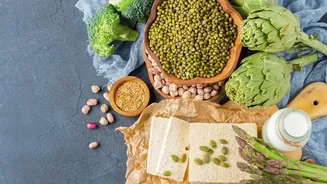
The most powerful recommendation from the ICMR is to prioritise whole foods. A balanced Indian diet is naturally rich in quality protein sources. For vegetarians, combinations of dals, legumes, paneer, and curd are excellent. The ICMR specifically notes that combining cereals and pulses in a 3:1 ratio, a traditional practice in dishes like dal-rice or khichdi, creates a complete protein profile. For non-vegetarians, lean meats, fish, poultry, and eggs are efficient ways to meet protein needs. The emphasis is clear: a diverse, food-based diet is safer, more cost-effective, and nutritionally superior to relying on processed powders.