






The Rise of Alternative Stays
The hotel is no longer the automatic first choice for Indian travellers. According to the 'How India Travels 2026: The Homes Edit' report by Booking.com and VIDEC Consultants, there's a significant shift towards alternative accommodations like homestays,
apartments, and villas. This segment is no longer a niche but is rapidly moving into the mainstream. The numbers tell a compelling story: the market for these stays is projected to hit a Gross Booking Value of ₹415 billion by FY29. The supply has also more than doubled, from around 102,200 digitally listed properties in FY23 to 215,000 in FY26. This surge is a direct response to a change in traveller mindset, where the accommodation itself is a key part of the holiday experience.
Why Privacy and Experience Matter More
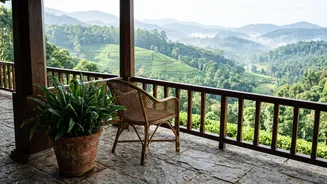
So, what’s driving this change? It's a quest for more meaningful travel. The report found that a staggering 87% of travellers feel that alternative stays help create more significant holiday memories. Another 85% associate them with authentic local experiences. After years of standardised hotel rooms, people now crave the privacy of a villa, the warmth of a homestay, or the flexibility of a serviced apartment. For many, especially those travelling in groups or with family, these properties offer better value and a more connected experience. According to the survey, 83% of respondents found them ideal for group travel and offered great value for money. The ability to have a shared living room for conversations or a kitchen for late-night snacks fosters a sense of togetherness that a series of hotel rooms cannot match.
Business Travel Gets a Homely Makeover
It’s not just leisure travellers who are making the switch. The world of business travel is also embracing this trend. Business travellers accounted for 19% of bookings in alternative accommodations in FY26, a figure expected to climb to 21% by FY27. For professionals on longer work trips, the appeal is obvious. An apartment offers more than just a bed; it provides a living space, a dedicated area to work, and the ability to host colleagues or family. Around 41% of business travellers cited the extra space as a key reason for their choice. Even for short solo trips, half of the business travellers surveyed said they would consider an alternative stay, signalling a major shift in corporate travel habits.
Exploring Beyond the Usual Tourist Trail
This trend is also redrawing India's travel map. While major metros and established holiday spots like Goa and Manali still command a large share of the inventory, growth is exploding in unexpected places. Between June 2025 and June 2026, listings for alternative stays more than doubled in cities like Greater Noida, Ghaziabad, Indore, and Ayodhya. This expansion is crucial, as it helps distribute tourist traffic more evenly and can help address the country's estimated shortage of over 200,000 hotel rooms. It allows travellers to experience everyday life in a new city, moving beyond the well-trodden tourist circuit and discovering local culture in a more authentic way.