



The Great Culinary Rebalancing
For years, the title of India's 'food capital' was a predictable tug-of-war between giants like Delhi, Mumbai, and Bengaluru. These were the undisputed centres of culinary innovation, where trends were born and fine dining thrived. But the landscape is rapidly
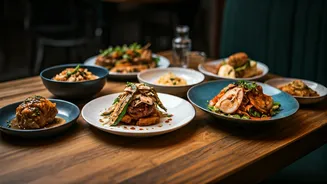
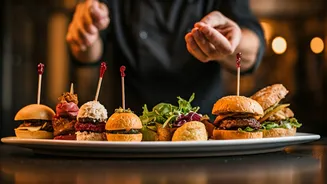
changing. A quiet but powerful revolution is underway in India’s Tier-2 cities, which are emerging as the new engines of the country's food and beverage sector. Places like Lucknow, Indore, Jaipur, and Kochi are no longer just secondary markets; they are becoming bona fide dining destinations in their own right, boasting everything from hyper-local street food to sophisticated, chef-led restaurants. This shift is not just about new restaurant openings; it's a fundamental rebalancing of India's gastronomic map.
What's Fuelling the Food Boom?
Several factors are driving this transformation. Rising disposable incomes and rapid urbanisation mean that consumers in cities like Coimbatore and Nagpur have more spending power and are eager for new experiences. Dining out is no longer a rare treat but a regular part of life for a younger, more aspirational demographic. This is amplified by the pervasive influence of social media; food bloggers and Instagram influencers have democratised food trends, exposing consumers in smaller cities to global and national culinary movements simultaneously. Furthermore, lower operating costs and less market saturation make these cities attractive frontiers for chefs and entrepreneurs, including those returning from metro careers to launch their own ventures. This combination of eager consumers and ambitious creators has created a fertile ground for growth.
Indore: The Unquestionable Street Food Paradise
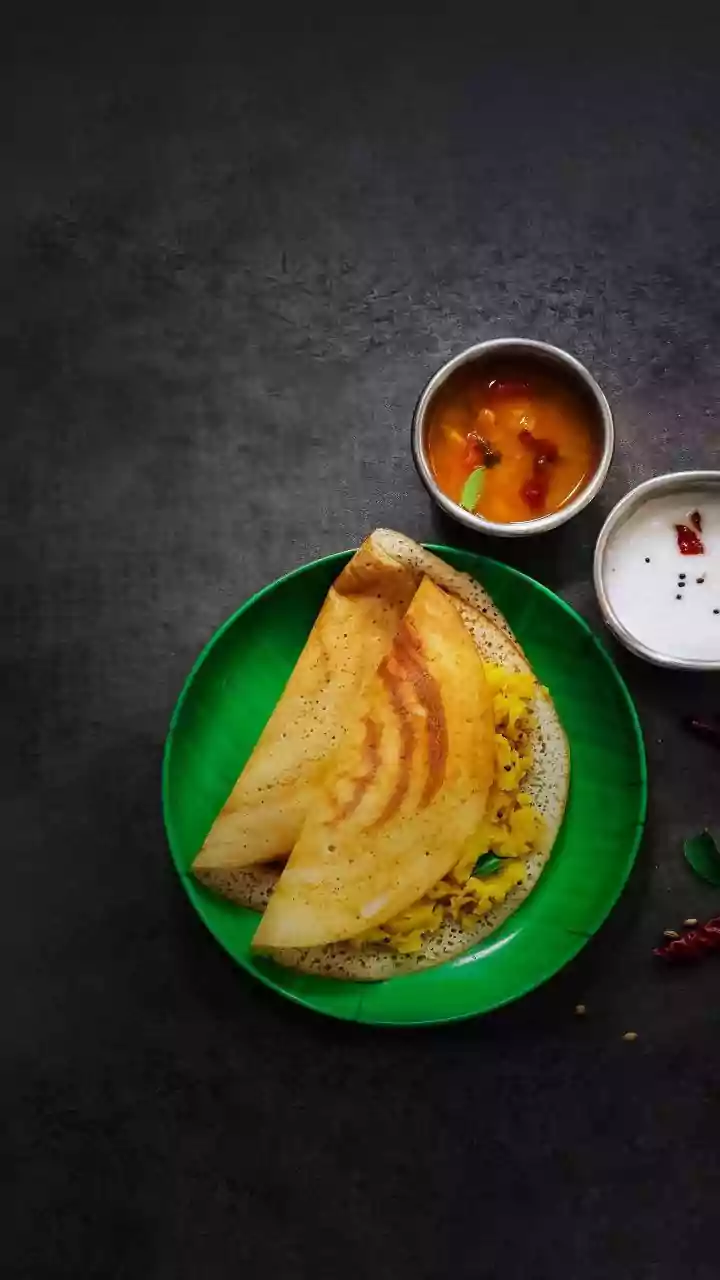
While many cities have great street food, few can claim a culture as deep and organized as Indore’s. Often called the country's street food capital, its reputation is built on legendary food streets like Sarafa Bazaar, a jewellery market by day that transforms into a bustling food paradise at night, and Chhappan Dukan (56 Shops). Indore's food is a unique blend of Maharashtrian, Rajasthani, and Gujarati influences, a legacy of the Holkar dynasty. Dishes like the tangy Indori poha with jalebi, bhutte ka kees (a grated corn delicacy), and khopra patties (potato cutlets with a coconut filling) are iconic. The city has perfected the art of street-side gastronomy, making it a must-visit for any serious food lover.
Lucknow: From Royal Kitchens to Global Recognition
Lucknow's claim to culinary fame is rooted in the opulent kitchens of the Nawabs of Awadh. This legacy has given the world the art of 'dum pukht' slow cooking and melt-in-your-mouth kebabs like the galouti and kakori. Recently, this rich heritage received a major global endorsement when Lucknow was named a UNESCO 'City of Gastronomy', only the second Indian city to earn the title. This honour recognizes not just the royal recipes but the entire ecosystem—from the historic stalls in Chowk and Aminabad to modern chefs who are reinterpreting Awadhi classics. The recognition is boosting tourism and cementing Lucknow’s status as a global food destination.
Jaipur and Kochi: A Tale of Modernity and Fusion
The trend extends beyond North India. In Jaipur, a city known for its royal Rajasthani thalis, a vibrant contemporary dining scene is flourishing. Chic cafes, rooftop bars, and modern Indian restaurants are popping up, blending heritage with global aesthetics. Venues like Bar Palladio have become destinations in themselves, showcasing how design and cuisine can create a unique, modern identity. Similarly, the port city of Kochi has seen its food scene explode with new influences. While traditional Kerala Sadya and seafood remain central, the city has embraced everything from Malabari biryanis to Arabic mandi and a thriving cafe culture. This fusion of the local and global shows how Tier-2 cities are becoming melting pots of flavour.