





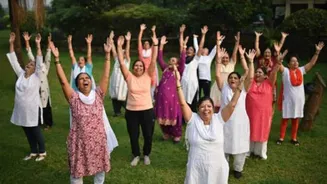

Redefining 'Working Out'
The phrase 'working out' often conjures images of gruelling gym sessions and the 'no pain, no gain' mentality. Mindful movement, however, is a gentler, more intuitive approach. It’s the practice of paying attention to your body’s signals and choosing
physical activity based on your energy levels, mood, and what genuinely feels good. Instead of forcing a high-intensity workout when you're tired, mindful movement might mean a restorative yoga session or a leisurely walk. The core idea, which is a principle of intuitive eating, is to reconnect with the joy of movement, focusing on how it makes you feel rather than on calories burned or performance metrics. This fosters a positive relationship with physical activity, turning it from a chore into a form of self-care.
The Problem with the Festive Binge-and-Restrict Cycle
Many people gain a pound or two during the festive period, and while that may not seem significant, this weight often isn't lost in the new year and can accumulate over time. The typical response is to adopt a harsh diet and exercise plan in January. However, this all-or-nothing approach is often detrimental. Thinking of foods as 'good' or 'bad' and exercise as a punishment for eating can lead to a vicious cycle of guilt, stress, and burnout. This yo-yo effect can even impact your metabolism long-term, making it harder to maintain a stable weight. The pressure to conform to strict regimens often leads to failure and disappointment, reinforcing a negative connection with both food and fitness.
Finding Joy in How You Move
Mindful movement encourages you to build a 'movement menu' of activities you genuinely enjoy. This could include anything from dancing in your living room and playing with your kids to hiking with friends or swimming. The goal is to detach movement from the idea of punishment and reconnect it with pleasure, stress relief, and vitality. When you start asking yourself what your body needs—whether it's an energy boost, relaxation, or social connection—you can choose an activity that serves that purpose. This internal motivation is far more powerful and sustainable than external pressures related to appearance or weight loss. By prioritising enjoyment, you are more likely to stick with it long after the new year's resolutions have faded.
Mindful Practices for the Festive Season
The festive season, with its busy schedules and social events, is the perfect time to practice mindful movement. Rather than abandoning activity altogether, look for small, intentional opportunities. For example, take a moment for a few deep breaths and dynamic stretches in the morning to set a calm tone for the day. If you feel sluggish after a big meal, suggest a family walk to look at festive lights. This allows you to connect with loved ones while getting your body moving. Even simple acts like tidying the house, doing gentle stretches while watching television, or putting on your favourite music and dancing can make a difference. It’s about listening to your body; some days it will crave activity, and others it will need rest. Honouring both is central to this practice.
Building a Foundation for Lasting Success
Adopting a mindful approach during a challenging period like the holidays builds resilience and a strong foundation for year-round fitness. You learn that consistency doesn't mean perfection. It means showing up for your body in a way that feels supportive, not punitive. This flexible and adaptable approach helps you break free from rigid routines that are easily derailed by life's interruptions. By focusing on internal sensations and self-awareness, you cultivate a deeper connection with your body. This practice of tuning in, whether through movement, mindful breathing, or simply noticing your surroundings, can reduce stress and improve overall well-being, creating sustainable habits that last a lifetime.