








An Uneven and Deficient Season
India's southwest monsoon, the lifeblood of its agricultural economy, officially ended in September with a significant deficit. The country as a whole received rainfall that was about 13% below the long-period average, making it the weakest monsoon season
in over a decade. This headline number, however, hides a more complex reality. The rainfall distribution was highly erratic. After a weak start in June, a brief recovery in July was followed by significant deficits in August and September. Regionally, the disparity was stark: while Central India received near-normal rain, southern, eastern, and northeastern parts of the country faced substantial shortfalls. This patchiness—too little rain in some areas, too much in short bursts in others—has created a challenging environment for farmers and set the stage for price volatility.
The Direct Hit on Kharif Crops
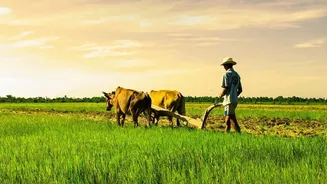
The Kharif (summer) crop season, which is heavily dependent on monsoon rains, has been directly impacted. The uneven rainfall led to a decrease in the total area sown with major crops compared to the previous year. Paddy (rice) was significantly affected, with acreage down by nearly 4%, particularly in states like Karnataka, Telangana, and Uttar Pradesh. Pulses, oilseeds like soybean, and cotton also faced moisture stress during critical growth stages due to prolonged dry spells, raising concerns about lower yields. While a late-season revival in rain may have salvaged some crops, the overall output for key staples like pulses and some vegetables is expected to be under pressure. This reduction in harvest size is the first step in the chain reaction that leads to higher prices at the mandi and, eventually, your local market.
The Ripple Effect on Your Plate
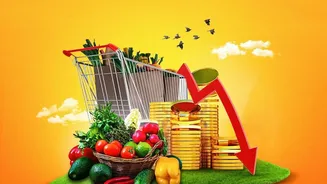
The connection between farm output and your grocery bill is direct. A weaker harvest means tighter supply in the market. This has already been reflected in the prices of several kitchen staples. In September, onion prices were reportedly up significantly compared to the previous year, with ginger and garlic also seeing sharp increases. Even prices for rice and sugar have been climbing. It's important to note that not all prices move in unison; tomato and potato prices, for instance, have been lower at times due to different crop cycles and supply dynamics. However, the overall trend points towards rising food inflation. Economists are now forecasting that food inflation could cross the 7% mark by October, putting sustained pressure on household budgets, especially in rural areas.
Beyond the Farm: Water and Winter Crops
The monsoon's impact extends far beyond the Kharif season. The rains replenish the country's reservoirs, which are crucial for drinking water and for irrigating the upcoming Rabi (winter) crops like wheat and mustard. While overall reservoir levels are being watched closely, the deficit has left soil moisture low in many regions. This could affect the sowing and health of the winter harvest, potentially extending price pressures into next year. Furthermore, the agricultural sector is a massive driver of the rural economy. Weaker farm incomes due to poor yields can dampen rural demand for everything from FMCG products to tractors, creating a drag on overall economic growth.
What to Expect in the Coming Months
With the 2026 monsoon's performance locked in, its economic consequences will continue to unfold. The government has tools to manage severe price shocks, including releasing buffer stocks and adjusting import duties on items like edible oils, but these measures have their limits. For consumers, the next few months will likely mean paying closer attention to the vegetable cart and adjusting household budgets. The prices of pulses, some vegetables like onions, and edible oils will be key indicators to watch. While a deficient monsoon doesn't automatically mean a food crisis, thanks to improved irrigation and food management systems, it does guarantee that the cost of your meals will be a topic of conversation for months to come.