





Beyond the Buffet: What Defines an Eco-Lodge?
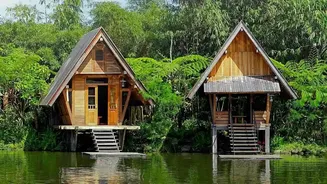
First, let's clarify what an eco-lodge is. Unlike a traditional resort, which can often be a large, self-contained world of its own, an eco-lodge is defined by its commitment to sustainability and its connection to its natural surroundings. The core principles
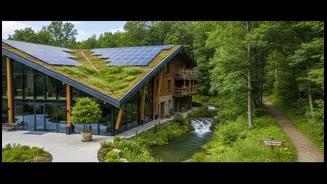
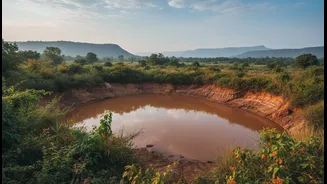
involve minimising environmental impact through practices like using renewable energy, recycling water, and building with sustainable materials. Furthermore, a true eco-lodge aims to benefit the local community by providing employment and supporting local businesses, ensuring that tourism dollars contribute positively to the region. It’s a form of accommodation designed not to impose on its environment, but to exist in harmony with it, often located in relatively remote and undisturbed natural areas.
The Search for Authenticity and Connection
So, why the shift? The trend reflects a deeper change in traveller priorities. Many are no longer content with the homogenised luxury of a standard resort. They are seeking genuine experiences and a real sense of place, which eco-lodges are uniquely positioned to offer. This 'experiential travel' trend focuses on immersive activities, from learning about local culture and heritage to exploring unique ecosystems. In India, this is part of a broader move from mass tourism to 'class tourism', where the quality and consciousness of the experience are paramount. Travellers want to feel a connection to the destination, and eco-lodges facilitate this by integrating local culture, food, and knowledge into the guest experience, moving beyond being a tourist to becoming a more mindful visitor.
Wellness Beyond the Spa
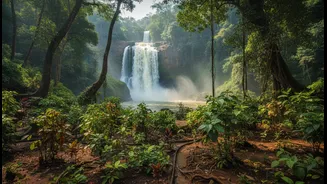
While resorts have long cornered the market on relaxation, the definition of wellness is expanding. For many, true rejuvenation comes from disconnecting from the hustle of city life and reconnecting with nature. Studies have shown that spending time in natural environments can reduce stress, improve mood, and even boost cognitive function. Eco-lodges, often nestled in forests, mountains, or alongside serene coastlines, offer this immersion as their core product. The experience is less about scheduled spa treatments and more about the holistic benefits of being in a calm, natural setting—waking up to birdsong instead of an alarm, breathing fresh air, and enjoying the peace that comes with being in a place that respects its environment. This aligns with the growth in wellness tourism that prioritizes mental and physical well-being through genuine connection with the outdoors.
Dispelling the Myths: Comfort Meets Conscience
A common misconception about eco-lodges is that they require sacrificing comfort for the sake of sustainability. While some offer a rustic, back-to-basics experience, the modern eco-lodge movement increasingly proves that luxury and environmental responsibility can go hand-in-hand. Many eco-lodges and eco-resorts offer high-end amenities, from beautifully designed villas and farm-to-table dining to personalised guided tours, all while adhering to strict environmental standards. The luxury here is different; it's about the quality of the experience, the exclusivity of being in a pristine natural area, and the knowledge that your stay is actively supporting conservation and local communities. Travellers are discovering they don't have to choose between a comfortable, high-quality vacation and their values.