




The Old Way: The Finish Line Flop
For years, the accepted wisdom after a tough workout was simple: stop. The image of an athlete slumping onto the bench or the floor, completely still, became synonymous with a session well done. This practice, known as passive recovery, is built on the seemingly
logical idea that after stressing your muscles, total rest is the fastest way to repair them. The thinking was that any further movement would only add to the fatigue and delay the recovery process. This “finish line flop” was seen as a deserved reward, a necessary state of inactivity to let the body begin its healing. While there's a time and place for complete rest, especially after extreme exertion or when nursing an injury, a new understanding of exercise science is challenging the idea that doing absolutely nothing is the optimal default cool-down.
The New Science: Active Recovery
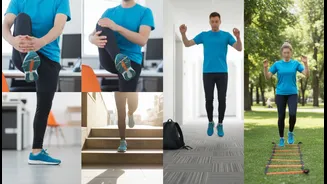
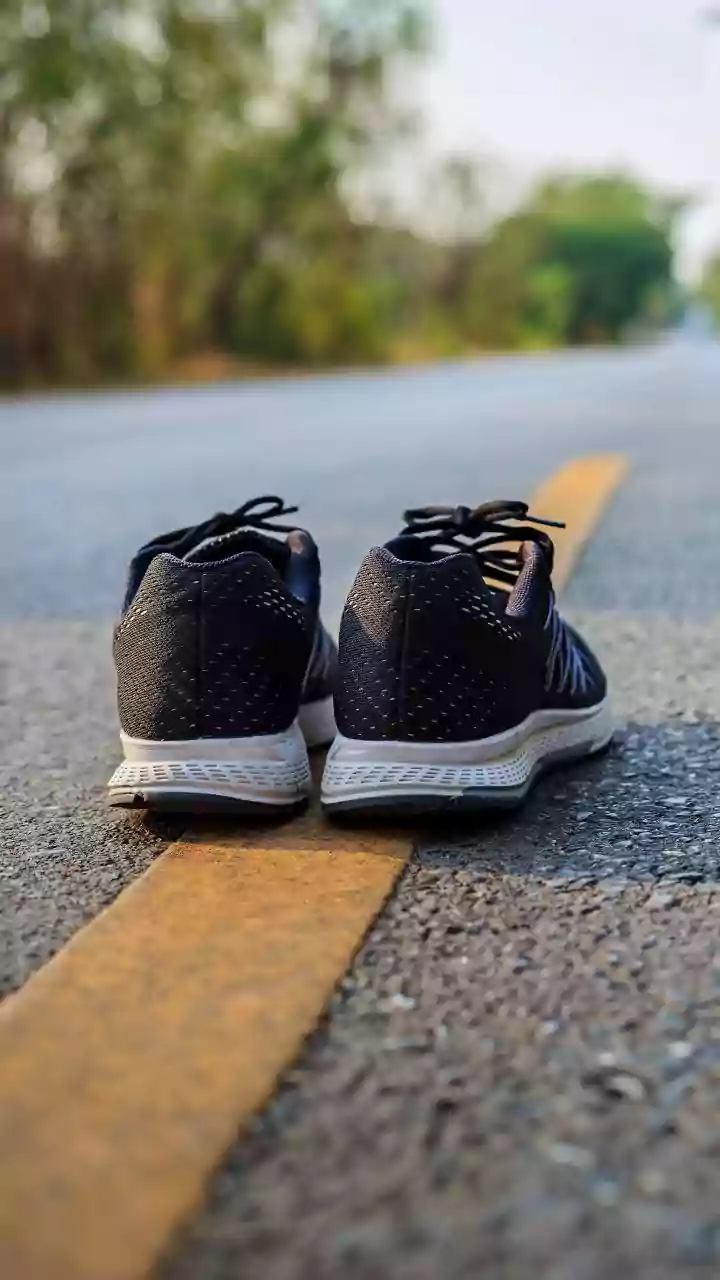
Enter active recovery, the modern approach to cooling down that is quickly gaining favour among fitness professionals and enthusiasts alike. Active recovery involves performing low-intensity exercise immediately following a strenuous workout. Instead of coming to a sudden halt, you transition into gentle movement. The star of this new approach is often the simple, low-intensity mobility walk. This isn’t a power walk or a race; it’s a leisurely stroll, typically for 10-20 minutes, designed to help your body shift from a high-stress state to one of recovery. The principle is simple: by keeping the body moving gently, you support its natural recovery processes more effectively than if you were to become completely sedentary. This gentle continuation of movement is the key to unlocking a host of physical and mental benefits.
The Body Boost: Why Gentle Movement Works
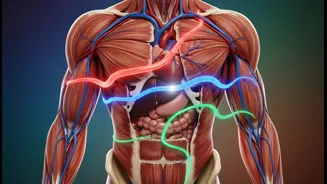
So, what exactly happens when you choose a walk over a standstill? The benefits are rooted in your body's physiology. After intense exercise, metabolic byproducts like lactic acid accumulate in your muscles, contributing to that feeling of fatigue and next-day soreness. A low-intensity walk keeps your blood circulating more effectively than sitting down. This increased blood flow acts like a cleanup crew, helping to flush out these waste products faster. At the same time, it delivers a fresh supply of oxygen and nutrients to your tired muscles, speeding up repair and reducing inflammation. This process can significantly decrease the severity of Delayed Onset Muscle Soreness (DOMS)—the dreaded ache that can appear a day or two after your workout. A gentle walk helps your heart rate and blood pressure decrease gradually, preventing the dizziness that can sometimes occur from stopping exercise too abruptly.
More Than Muscles: The Mental Reset
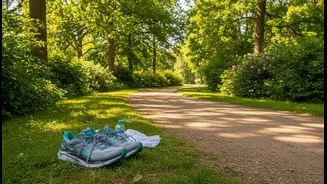
The advantages of a post-workout walk aren't just physical. An intense workout activates your body's 'fight or flight' stress response. A slow, rhythmic walk helps you transition more smoothly into the 'rest and digest' state, promoting relaxation. Taking this walk outdoors amplifies the mental health benefits. Studies show that spending time in nature, even a short walk in a local park, can decrease stress, reduce mental fatigue, and boost your mood more effectively than exercising indoors. That feeling of post-workout brain fog can also be cleared by a gentle walk, which helps restore blood flow patterns in the brain and centres your mind. It transforms your cool-down from a passive waiting period into a mindful practice, giving you a moment to process your workout and appreciate your surroundings.
Your Perfect Post-Workout Walk
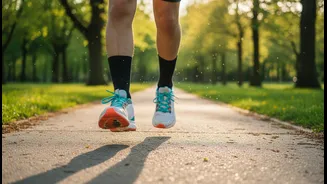
Incorporating an active recovery walk is straightforward. The key is to keep the intensity low. Immediately after your main workout, begin walking at a pace that feels easy and restorative. You should be able to comfortably hold a conversation without getting breathless. Aim for a duration of 10 to 20 minutes. This is not the time to focus on speed or distance. Listen to your body; the goal is to feel better and more relaxed, not to add another layer of fatigue. Choose a pleasant, safe route, preferably with some greenery if possible, to tap into those extra mental benefits. Think of it as a gentle victory lap that celebrates the hard work you’ve just put in and kick-starts your recovery for the next session.