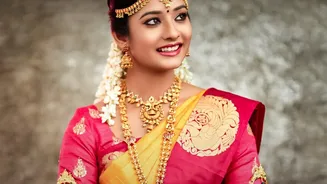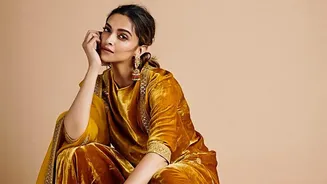

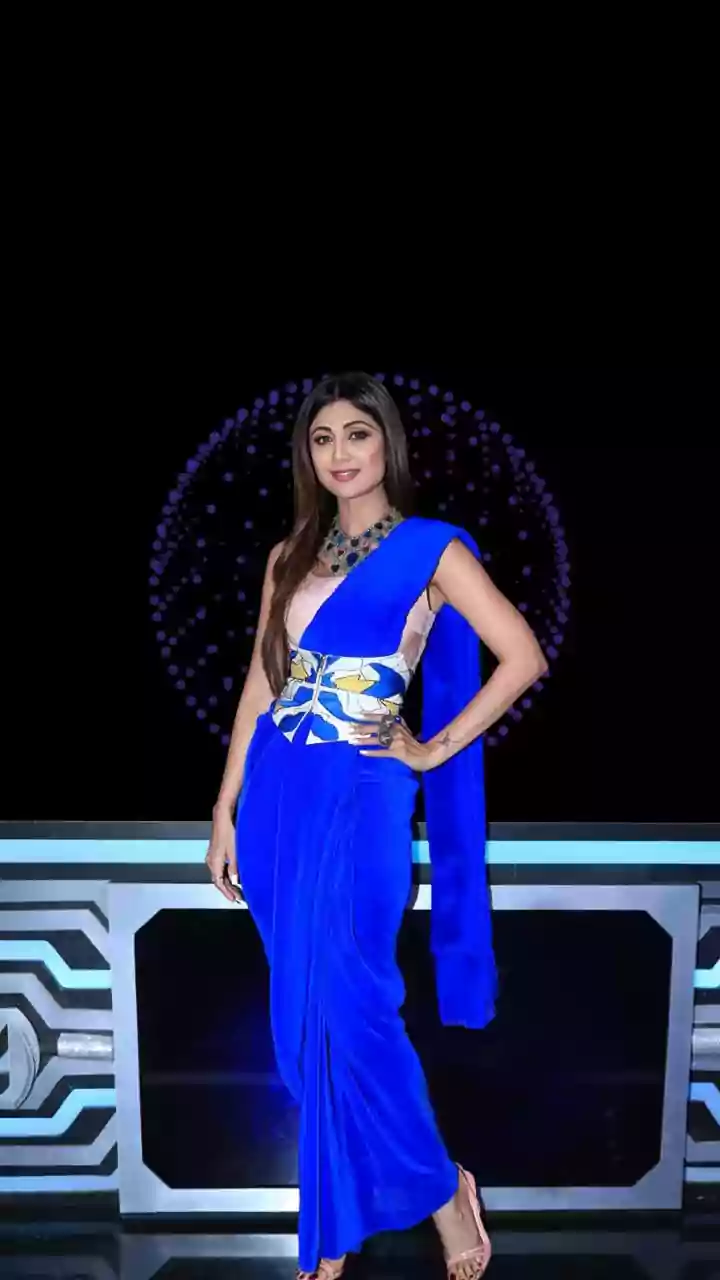
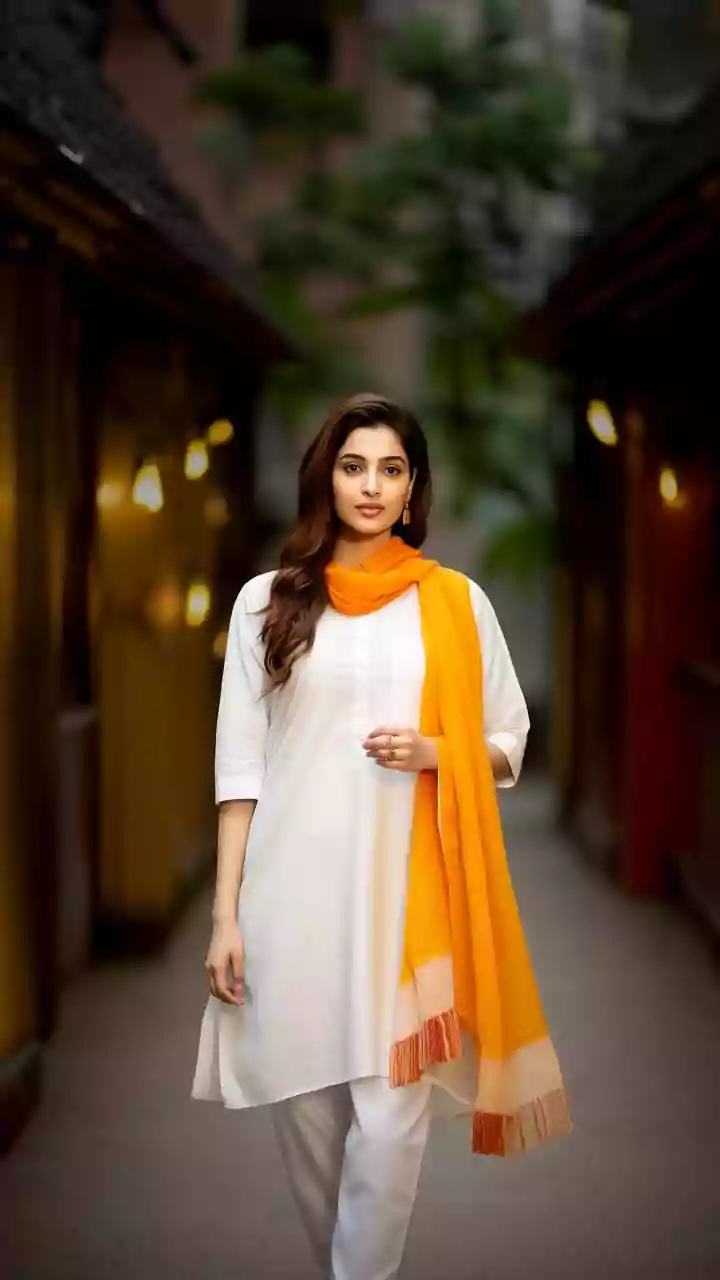

Redefining the Festive Silhouette
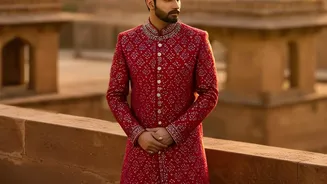
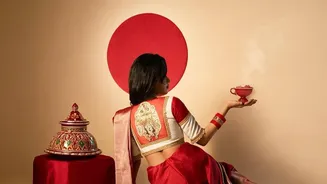
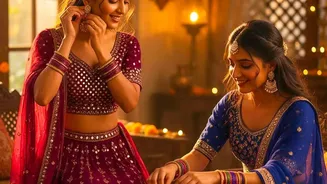
The era of sticking to a rigid festive uniform is officially over. Today's youth are creatively dismantling traditional outfits and rebuilding them with a personal twist. The quintessential lehenga is no longer exclusively paired with a matching choli;
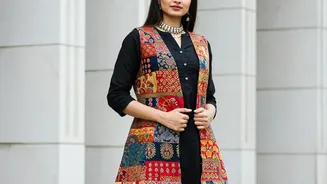
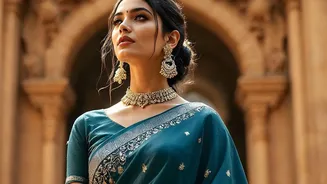
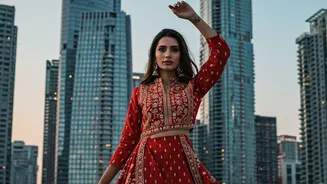
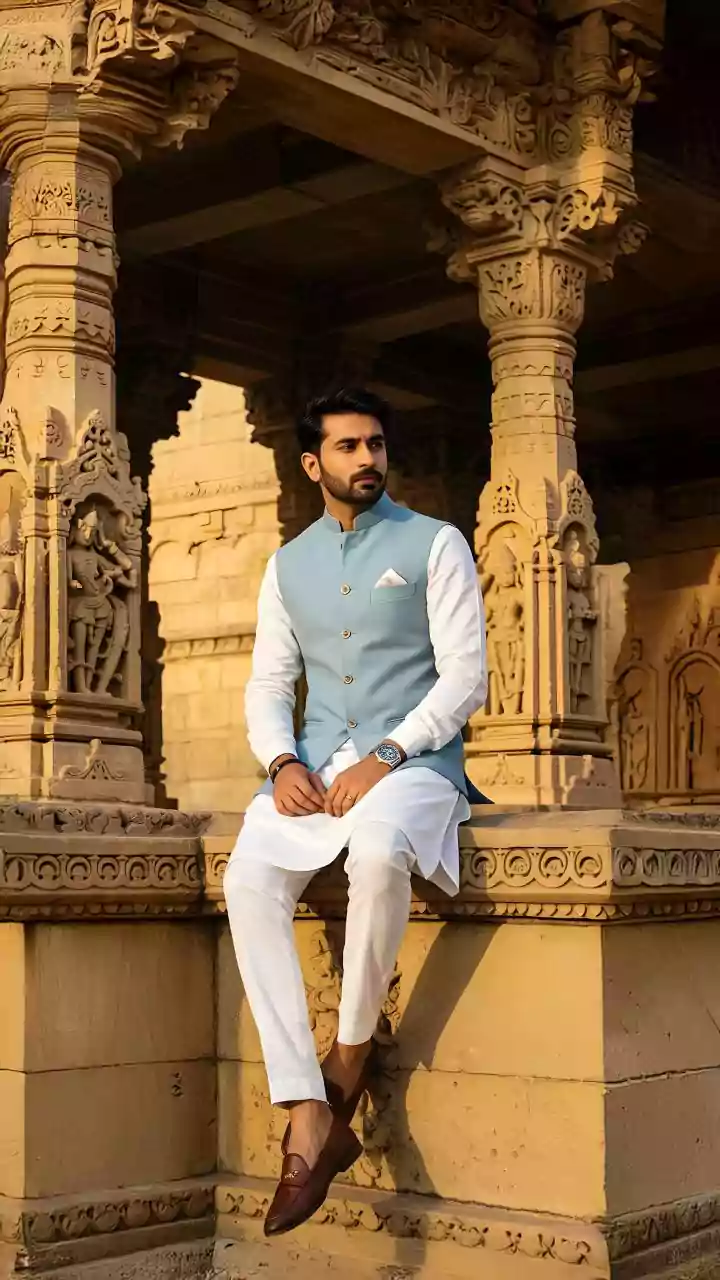
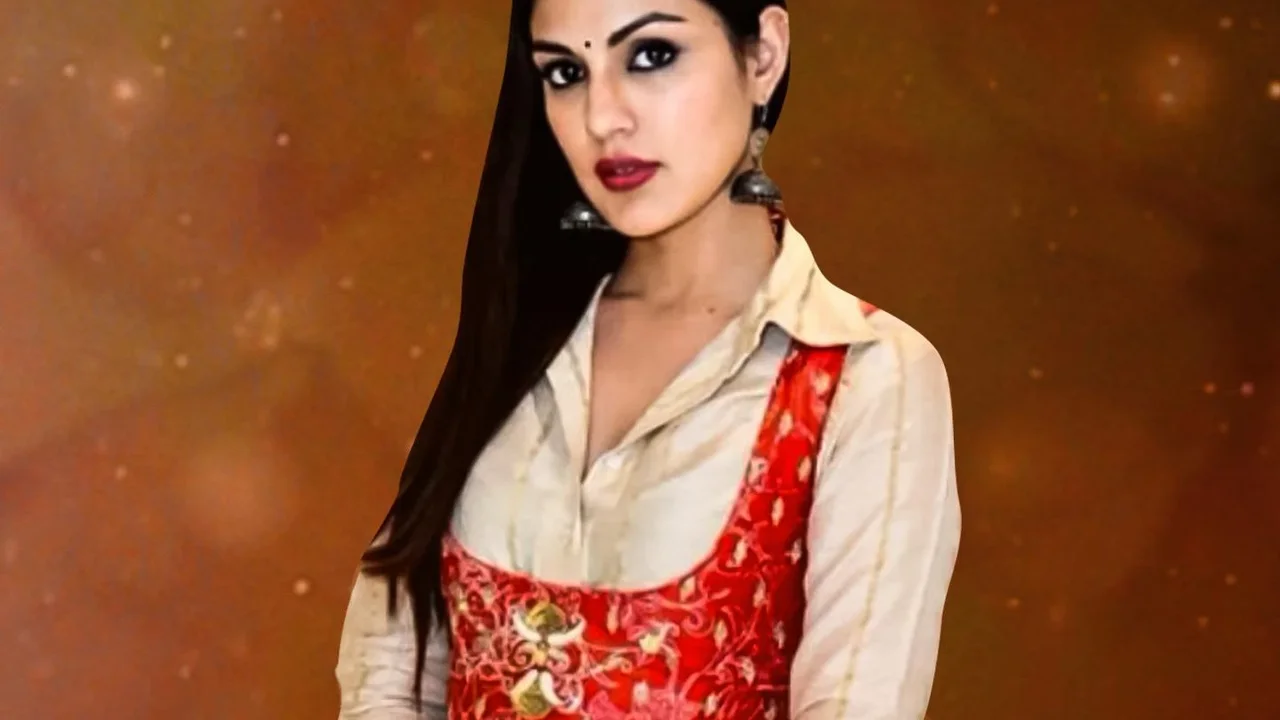
instead, it's styled with crop tops, tailored shirts, or even structured blazers. Sarees are being cinched with leather belts, worn over trousers, or paired with sneakers for a look that prioritizes comfort and individuality. This mix-and-match approach extends to kurta sets, which are now frequently seen with denim, wide-leg palazzos, or even styled as dresses, transforming them from occasion-specific garments into versatile wardrobe staples. It's a move that reflects a desire for clothing that is both celebratory and practical.
Comfort and Versatility Take Center Stage
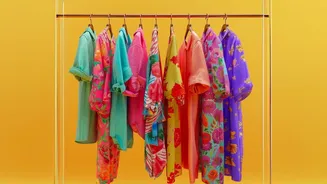
For Gen Z, comfort is not an afterthought—it's a primary driver of style. The demand is for breathable fabrics and silhouettes that allow for easy movement, whether you're dancing at a sangeet or attending a family puja. This has led to the rising popularity of lightweight materials like organic cotton, organza, crepe, and linen, which offer an elegant drape without the weight of heavy embellishments. The focus has shifted towards 'repeat value'. An outfit's worth is now measured by its versatility; can that lehenga skirt be worn with a different top for another event? Can that kurta be dressed down for a casual brunch? This mindset favors separates and co-ord sets, which allow for endless styling combinations, ensuring that festive purchases have a life beyond a single occasion.
The Influence of a Digital World
Social media has become a powerful engine for this fashion evolution. Platforms like Instagram and Pinterest are virtual runways where new styling ideas are born and shared instantly. Fashion influencers and creators showcase innovative ways to drape a saree, accessorize a kurta, or mix prints, encouraging their followers to experiment fearlessly. This digital discovery has made fashion more democratic, allowing trends to emerge organically from communities rather than being dictated solely by designers. Seeing a celebrity pair a Banarasi skirt with a simple white shirt or an influencer rock sneakers with a sharara set inspires confidence and gives others permission to break the rules.
A Statement of Modern Identity
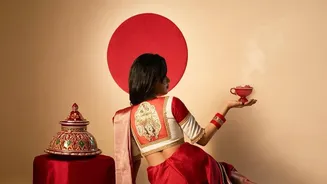
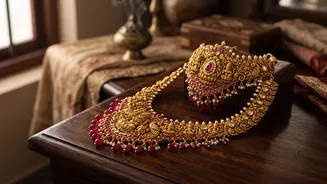
This fusion of styles is more than just a passing trend; it's a reflection of a deeper cultural shift. Younger Indians are navigating a dual identity—proud of their heritage yet confidently global in their outlook. Choosing to wear a handloom saree with a denim jacket or pairing temple jewellery with a minimalist dress is a way of expressing this multifaceted identity. It signifies a generation that doesn't see tradition and modernity as opposing forces but as complementary elements of their personal narrative. Fashion becomes a canvas for self-expression, a way to communicate who they are without saying a word.
The Rise of Mindful Festive Dressing
Alongside this creative wave is a growing consciousness about sustainability. Many young consumers are moving away from fast fashion and seeking out garments with a story. There's a renewed appreciation for handloom textiles, natural fabrics, and artisan craftsmanship. This trend toward mindful consumption is perfectly aligned with the philosophy of mixing and matching. By investing in well-made, versatile pieces, consumers can reduce waste and build a festive wardrobe that is both timeless and sustainable. The idea is to buy fewer, better things that can be cherished and re-worn, a philosophy that respects both the planet and the craftspeople behind the clothes.