


The Trend Explained
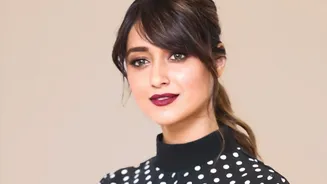
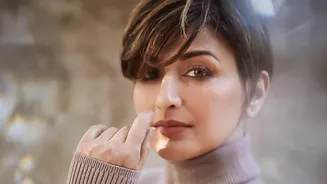
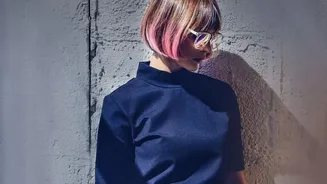
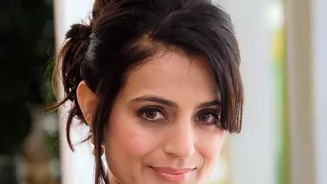
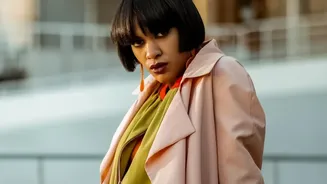
So, what exactly is a textured fringe paired with casual layers? Unlike a blunt fringe, which is cut in a solid, straight line, a textured fringe is cut with choppy, uneven layers. This technique, often done with point-cutting or a razor, creates depth
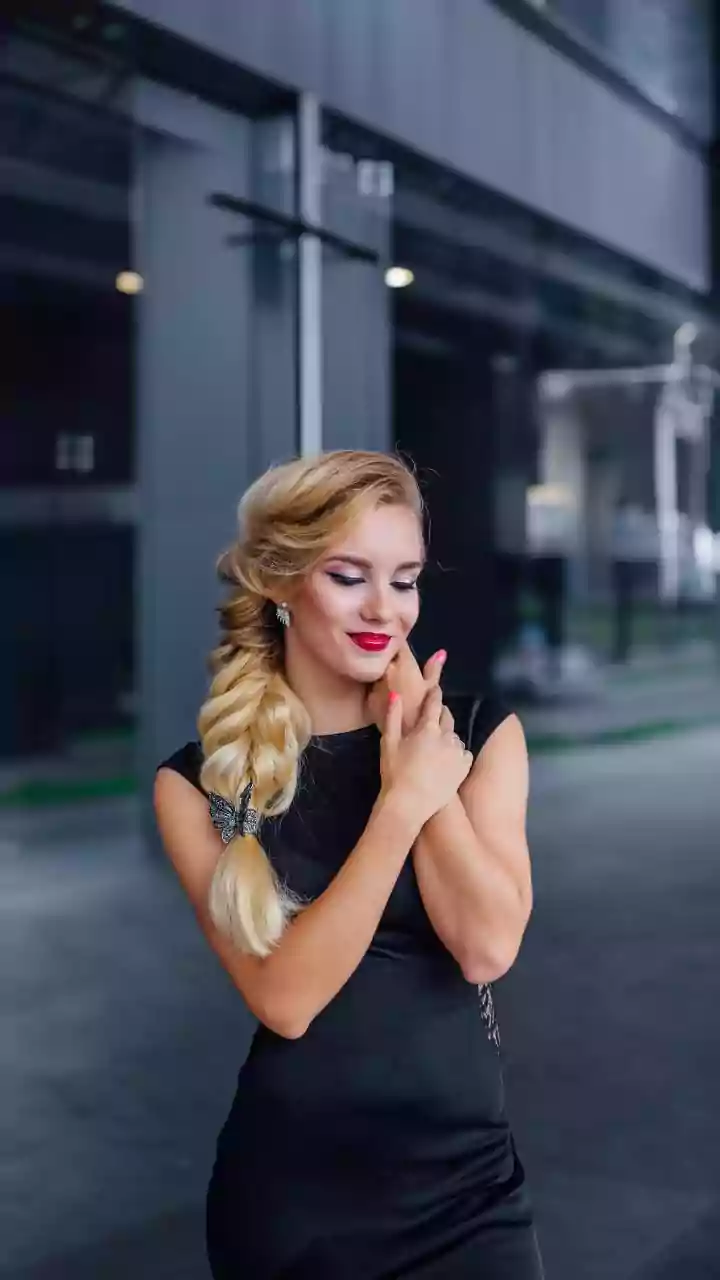
and removes weight, resulting in a softer, more piecey look that doesn't sit like a heavy block across your forehead. Paired with casual, soft layers throughout the rest of your hair, the fringe blends seamlessly, creating a cohesive and effortlessly chic style that has movement and personality.
Is This Style Right for You?
The beauty of the textured fringe is its versatility. It can be adapted for almost any face shape and hair type. For round faces, a textured fringe can add length and angles, especially when swept to the side. For square or heart-shaped faces, the soft, wispy nature of the cut can soften angular jawlines and balance a wider forehead. Those with oval faces can carry almost any variation of this style. If you have fine hair, a textured fringe can create the illusion of volume. For thick hair, the texturising techniques remove bulk, preventing the fringe from feeling heavy. And for wavy or curly hair, it enhances the hair's natural movement.
How to Ask Your Stylist
Communication with your hairstylist is key to getting the look you want. Don't just say 'I want a fringe'. Instead, use specific keywords. Ask for a 'textured fringe' with 'choppy, soft layers'. Mention that you want it to look 'piecey' and 'lived-in', not blunt or heavy. Bringing reference photos of styles you like is always the best way to show your stylist exactly what you envision. It's also helpful to discuss the length you're comfortable with. A fringe that skims the eyebrows is a classic starting point, but you could also opt for a longer, cheekbone-grazing curtain style or a shorter micro-fringe.
Styling and Maintenance
One of the biggest draws of a textured fringe is its low-maintenance nature compared to other styles. Often, a little finger-tousling is all you need. When styling, start with towel-dried hair. You can blow-dry it forward using your fingers to create volume. To enhance the piecey-ness, use a small amount of matte clay, texture paste, or sea salt spray. Work the product through with your fingers to define the layers. A common tip from stylists is to apply dry shampoo to the roots before your fringe gets oily, which helps keep it fresh and airy. Regular trims every 4-6 weeks will help maintain the shape and prevent it from getting in your eyes.
Inspiration from the Stars
Celebrities have fully embraced the effortless vibe of the textured fringe. Dakota Johnson is known for her signature full-but-soft fringe that always looks perfectly undone. Suki Waterhouse has long been a fan of a '70s-inspired shaggy fringe that blends into her layers. Meanwhile, Sabrina Carpenter's bombshell bangs show how a wispy, face-framing fringe can be both chic and versatile. These stars prove that whether it's styled for a casual day out or a red carpet event, a textured fringe adds a touch of cool confidence to any look.