





A Deluge of Data
The numbers behind Mumbai's recent deluge are startling. In the first week of July alone, the city witnessed its wettest start to the month in decades. The Santacruz observatory, a key meteorological site, recorded nearly 989 mm of rainfall between June
30 and July 6, surpassing the total for the entire month of July in the previous year. By July 7, the city had received 1,240 mm of rain since the start of the season on June 1, the highest for this period in 27 years. This isn't just a heavy monsoon; it's a concentrated weather event, with some areas receiving 250 mm to 300 mm in a single 24-hour period. Experts note a worrying trend: climate change is leading to these intense, “cloudburst-like” episodes, packing days of rain into short, brutal spells that overwhelm urban systems.
The Inevitable Inundation
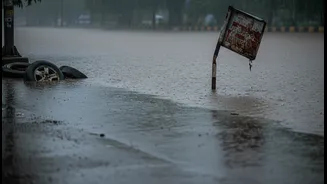
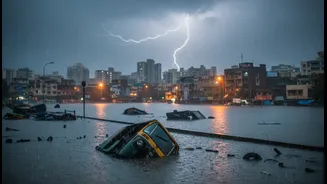
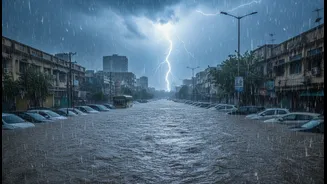
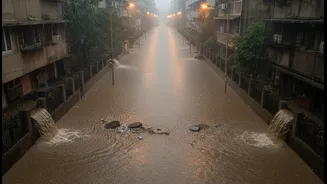
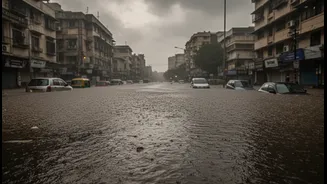
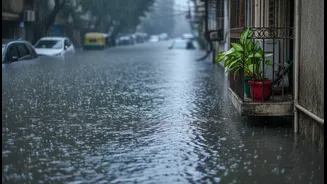
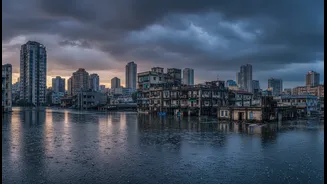
For Mumbaikars, a direct consequence of this intense rainfall is severe waterlogging. The usual suspects, including low-lying areas like Hindmata, Chembur, and the Andheri subway, were repeatedly submerged, forcing closures and bringing traffic to a standstill. Even premium residential localities in Bandra, Goregaon, and South Mumbai were not spared, demonstrating that high property values offer no immunity from creaking infrastructure. The Brihanmumbai Municipal Corporation (BMC) deployed around 10,000 workers and activated 448 pumping stations to manage the crisis. However, the city’s flood-proneness is exacerbated by decades of urban planning that has prioritised real estate over environmental concerns, replacing natural drainage systems like mangroves and wetlands with concrete. The problem is further compounded by safety risks, with a recent report showing that over 2,200 manholes were yet to be fitted with protective grills, missing the BMC's own pre-monsoon deadline.
A Commuter's Chaos
The city’s transport network, its very lifeline, was thrown into disarray. Mumbai’s local train services, which carry millions daily, faced significant disruptions. Waterlogging on tracks led to delays across the Western, Central, and Harbour lines, with trains running 10 to 20 minutes behind schedule and some services being cancelled altogether. On the Central Railway, track waterlogging between Kurla and Vikhroli stalled fast-track services, while the Western Railway reported delays due to flooding between Vasai Road and Virar. The situation was worsened by landslides in the Ghat sections, which led to the suspension and diversion of numerous long-distance trains, including those on the critical Mumbai-Pune route. Roads were no better, with key arterial routes like the Western Express Highway experiencing massive traffic jams.
Rented Homes: On the Frontline
While data on rainfall and train delays is readily available, the impact on housing, particularly for the city's vast population of renters, is a story told in anecdotes of leaking roofs and damp walls. For those in rented accommodation, the monsoon is the ultimate stress test, revealing issues like seepage, poor drainage, and structural weaknesses that are often concealed the rest of the year. Getting a landlord to address urgent repairs for leaks or seepage during a downpour is a common struggle. For residents in older, crumbling cessed buildings, the choice is even starker. Many are trapped in structures declared dangerous, unable to move due to stalled redevelopment projects, legal disputes, or the fear of losing tenancy rights. These residents face an impossible choice each monsoon: risk their lives in an unsafe structure or face an uncertain future with no guarantee of alternative housing.