
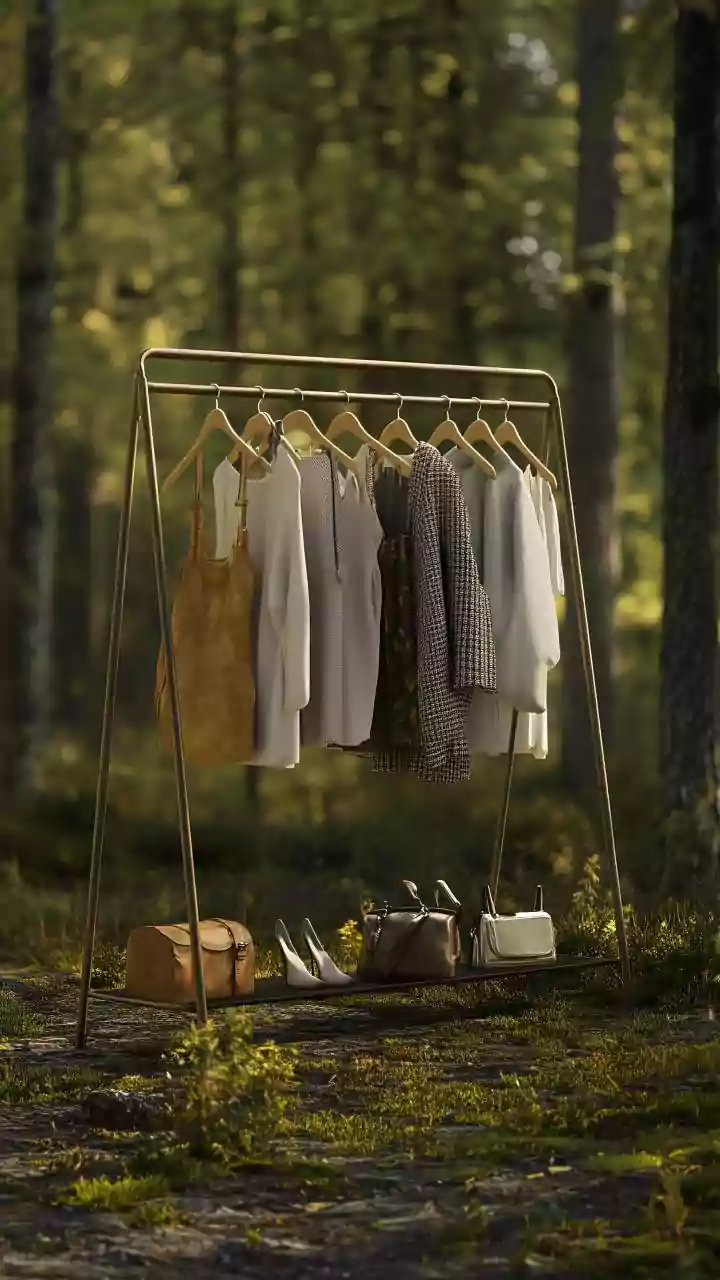


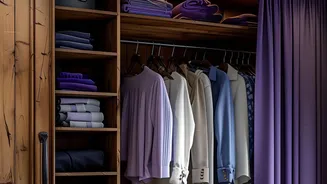

The Paradox of a Full Wardrobe
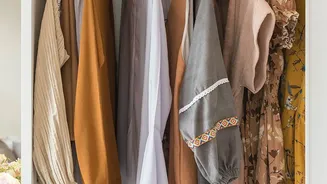
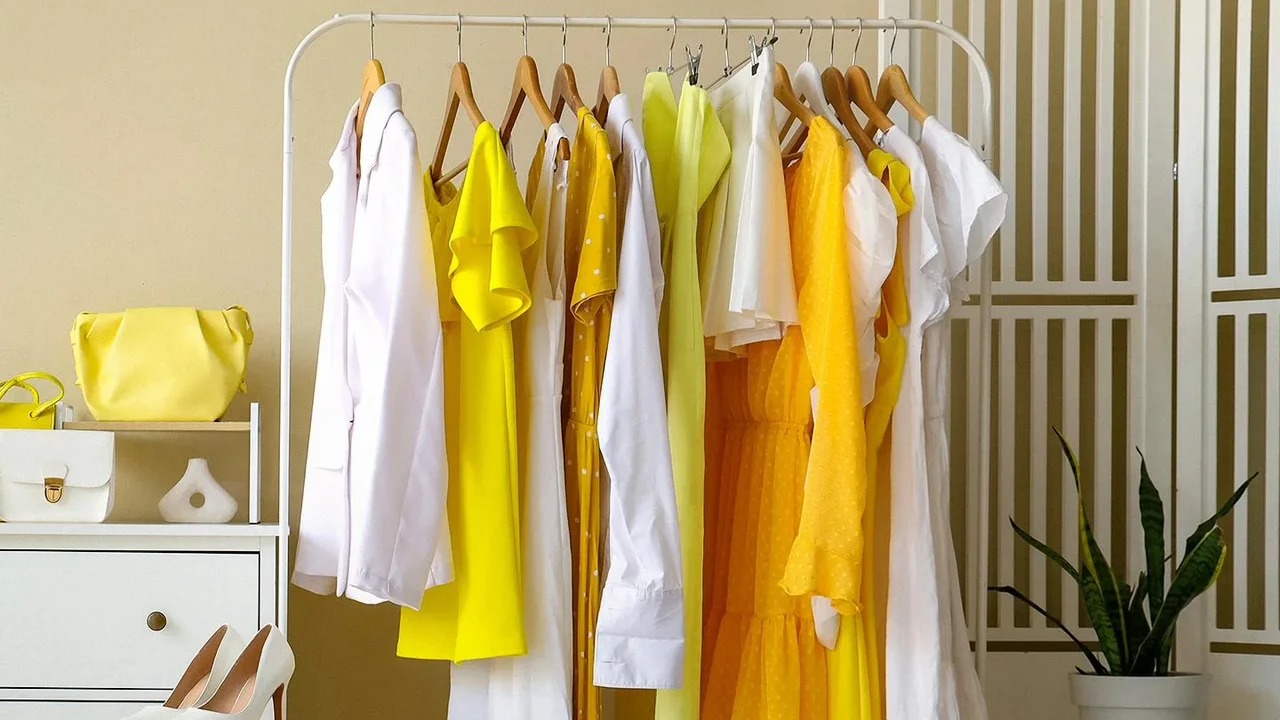
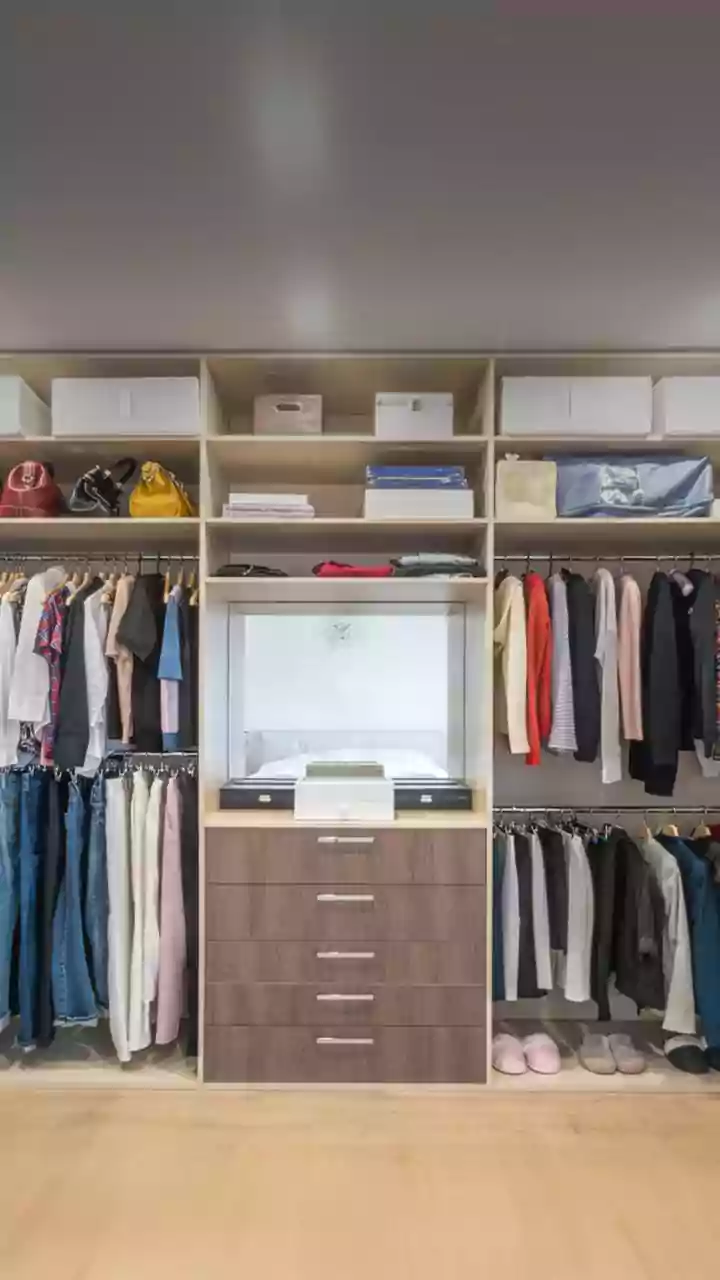
Many of us face a daily struggle with a wardrobe full of items, yet a persistent feeling of having nothing suitable to wear. This is often a symptom of decision fatigue. A closet packed with impulsive buys, trend-driven pieces, and clothes that don't
quite fit our lifestyle creates mental clutter. We end up defaulting to the same few 'safe' outfits, not because we love them, but because choosing them requires the least mental effort. This cycle of buying more, yet feeling less satisfied, stems from a disconnect between what we purchase and what truly makes us feel good. The problem isn't a lack of options, but a lack of a coherent strategy.
Why Fabric is Your Wardrobe’s Foundation
Fashion often prioritises design and trends, but the true foundation of any garment is its fabric. The material dictates not just the look, but the feel, comfort, durability, and drape of a piece of clothing. Think about the clothes you reach for most often. Chances are, you love them because of how they feel against your skin. A fabric-first approach shifts your focus from fleeting trends to timeless comfort and quality. For the Indian climate, this is especially critical. A polyester shirt in May can feel suffocating, whereas a cotton or linen one can be a source of relief. Understanding fabric is understanding the core of your comfort.
How to Become a Fabric Detective
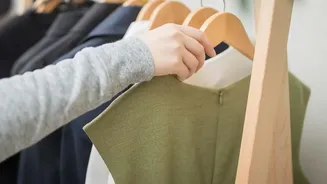
The first step to building a fabric-focused wardrobe is to investigate what you already own and love. Pull out your most-worn, most-loved items. Go beyond the colour or style and pay attention to the material. Check the care labels inside. Is your favourite kurta made of soft, breathable cotton? Does your go-to office shirt have the crisp, cool feel of linen? Make a list of these fabrics. Notice their properties: how they breathe, how they hang, how they feel after a long day. This simple act of paying attention will help you build a personal 'fabric profile'—a short list of materials that you know work for you, your body, and your lifestyle.
Your Go-To Fabrics for the Indian Climate
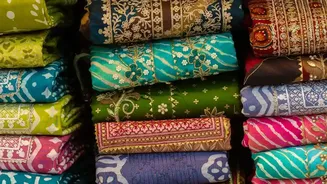
India’s diverse climate demands a versatile wardrobe, and natural fibres are almost always the answer. Cotton is the undisputed king—breathable, absorbent, and perfect for everything from dry heat to humid coastlines. Linen is another hero for hot weather; its loose weave and moisture-wicking properties keep you exceptionally cool, even if it wrinkles. For a lighter, almost ethereal feel, mulmul (muslin) is an excellent choice. Rayon, a semi-synthetic fabric made from plant cellulose, offers a silky drape and good breathability. And Khadi, with its unique texture, is a sustainable and comfortable option that adapts to the weather. Focusing on these ensures your clothes work with the climate, not against it.
Shopping with Intent, Not Impulse
Armed with your fabric profile, you can now shop with a clear, focused mission. When shopping online, use the material filter before you even start browsing. This immediately narrows down the overwhelming number of options to a manageable, curated selection. In a physical store, make it a habit to check the garment’s label before you even take it to the fitting room. If it’s made from a synthetic material you know you dislike, you can put it back without a second thought. This practice saves time, reduces decision fatigue, and prevents the accumulation of clothes that looked good on the hanger but feel terrible to wear. You’ll find yourself making fewer, better purchases.
A More Sustainable and Lasting Wardrobe
A fabric-first approach naturally leads to a more sustainable wardrobe. High-quality natural fabrics like cotton, linen, and wool tend to last longer than their cheaper synthetic counterparts. Knowing your fabrics also means you'll know how to care for them properly, further extending their lifespan. By buying fewer, better-quality items that you genuinely love to wear, you reduce waste and move away from the fast-fashion cycle of disposable clothing. Your closet becomes a curated collection of comfortable, durable, and timeless pieces rather than a temporary holding space for trendy items.