





Mark Your Calendar: The Prime Viewing Window
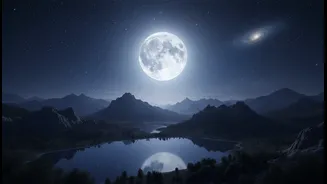
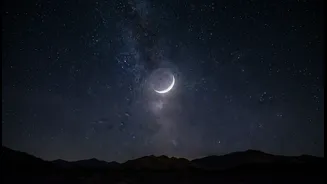
The secret to great stargazing isn't just about location; it's about timing. The best opportunity this month comes with the new moon on July 14, 2026. In the days surrounding this date, the Moon's light won't wash out the night sky, making fainter objects
much easier to see. This period of darkness is the ideal time to plan a night under the stars, even with the challenges of the monsoon season. For several days before and after July 14, the Moon will be a slim crescent or completely absent from the night sky, creating a perfect canvas for celestial observation.
What to Look For: Your Celestial Menu
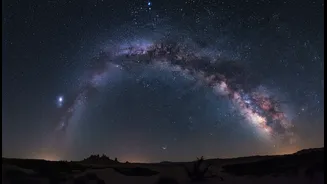
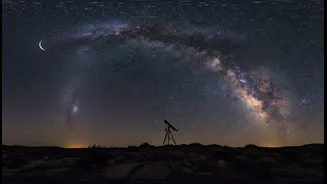
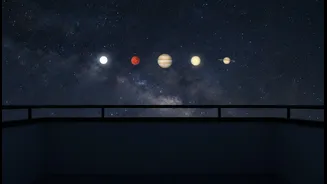
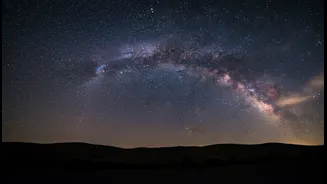
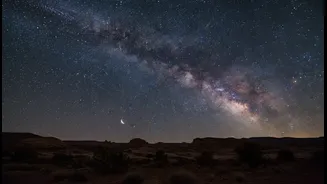
With the moonlight out of the way, the wonders of the cosmos take centre stage. The star of the show for many will be the Milky Way, which appears as a faint, cloudy river of light stretching across the sky, particularly when viewed from a dark location. Look towards the southern sky to find the constellations Sagittarius and Scorpius; this is where the brightest part of our galaxy can be found. Besides the galaxy, planets are also on display. Brilliant Venus is visible in the evening sky shortly after sunset. Saturn can be spotted in the early morning hours, rising after midnight. Mars also makes a pre-dawn appearance, offering a morning sky with several bright landmarks.
Don’t Let Clouds Defeat You
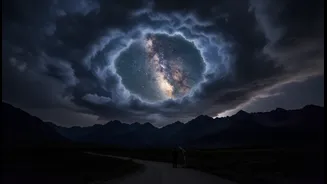
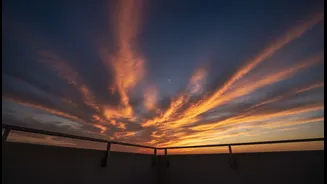
Stargazing during the monsoon seems counterintuitive, but patience and strategy can pay off. Clouds are often on the move, and brief clearings, or 'sucker holes', can offer stunning views. The key is to be prepared. Use weather apps like Astrospheric or Clear Outside, which are designed for astronomers and provide detailed forecasts on cloud cover, transparency, and seeing conditions. These tools can help you anticipate when a break in the clouds might occur. Sometimes the best views appear just after a spell of rain clears the dust from the atmosphere, leading to exceptionally crisp, if brief, viewing windows. Don’t pack up at the first sign of cover; sometimes a 30-minute wait is all it takes for the sky to open up.
Tools of the Trade
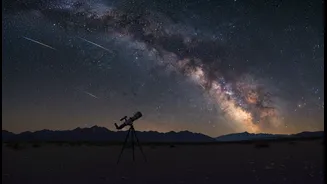
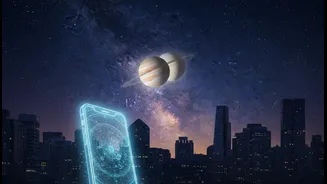
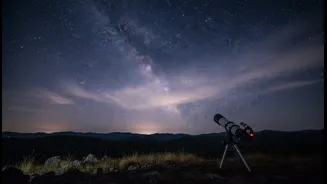
You don't need a massive telescope to enjoy the night sky. In fact, a pair of binoculars can be a stargazing superstar, perfect for scanning the Milky Way or getting a closer look at the Moon's craters. Your smartphone is another powerful tool. Apps like Stellarium, Star Walk 2, and SkyView use your phone’s location to create a real-time map of the sky, helping you identify constellations, planets, and even satellites. Many apps also have a red-light mode to protect your night vision—a crucial feature, as it can take your eyes 20-30 minutes to fully adapt to the dark.
Finding the Perfect Spot
The biggest obstacle for most stargazers in India isn't clouds—it's light pollution. To truly appreciate the new moon's darkness, you need to get away from city lights. Even a short drive out of town can make a huge difference. High-altitude or rain-shadow regions are often your best bet during the monsoon. Places like Malshej Ghat near Mumbai and Pune, or parts of Coorg in Karnataka, are known to offer clearer skies between monsoon showers. If you're in the north, sanctuaries like Binsar in Uttarakhand provide excellent elevation and minimal light interference. The goal is to find a location with an open view of the horizon, far from the glow of streetlights and buildings.