




The Danger of 'Tourist Brain'
On vacation, it's easy to be lulled into a false sense of security. Psychologists sometimes refer to this as "tourist brain," where unfamiliar surroundings and a desire to relax can lead to risk-taking. Many people overestimate their swimming ability,
a dangerous habit when confronted with unfamiliar conditions. A strong pool swimmer isn't automatically a strong open-water swimmer. The reality is that factors like cold water, currents, and waves make swimming in nature far more demanding than in a controlled pool environment. An honest skill check isn't about limiting your adventure; it's about ensuring you can handle the challenges that might arise, transforming potential panic into manageable situations.
What 'Good Swimmer' Means in the Wild
Your ability to swim several laps in a heated pool doesn't directly translate to open water. Adventure travel requires a different skill set. Can you swim 100 yards continuously without stopping? Can you tread water for an extended period? More importantly, can you remain calm and control your breathing if you unexpectedly fall into cold water, which can induce a shock response? You must be able to handle potential submersion under waves and swim effectively while wearing a personal flotation device (PFD). Experts suggest that if you can't swim at least 25 to 50 metres in deep water, you should consider yourself a 'bather' rather than a swimmer and take extra precautions. Before a trip, test yourself in a safe but more realistic environment, like a designated lake swimming area with a lifeguard.
Paddling: More Than Just Moving Forward
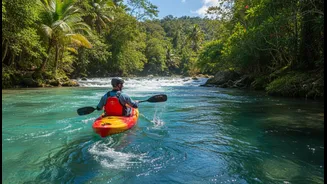
Paddling skills are similarly misunderstood. A calm paddle on a local pond is vastly different from sea kayaking or navigating a flowing river. Sea kayaking involves dealing with wind, waves, and tides, and requires an understanding of navigation over long distances. River kayaking demands the ability to read currents, manoeuvre around obstacles, and potentially execute a self-rescue if you capsize. Tour operators say you should be an active participant in your own rescue. This means having the ability to reorient yourself, reposition your body in the water, and swim aggressively toward a boat or shore in a current, all while remaining calm. Overconfidence from paddling on flat water can be a serious liability in a dynamic open-water environment.
How to Honestly Assess and Prepare
The first step is brutal honesty. Acknowledge that your skills might not be what you think they are. From there, you can take concrete steps to prepare. Enrol in a swimming or paddling course well before your trip. Many local centres offer specific training for open water swimming or different types of kayaking. When practicing, try to simulate real-world conditions. Swim in cooler water (safely, and never alone) and get a feel for paddling in wind or small waves. Always wear a properly fitted life jacket for any open water activity. Finally, communicate openly with your tour operator or guide. They are experts in the local conditions and can provide invaluable advice. Being upfront about your skill level allows them to support you properly and ensure the entire group has a safe and enjoyable experience.