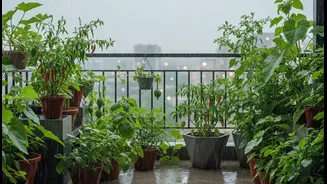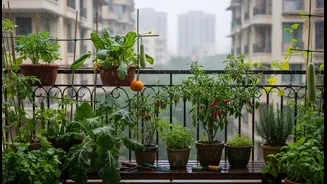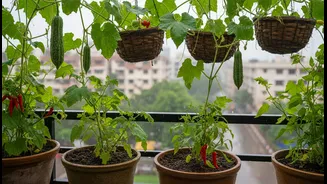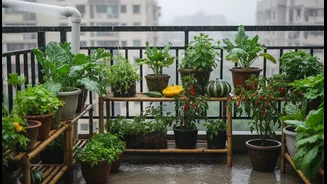




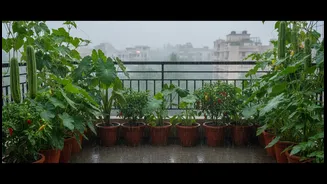
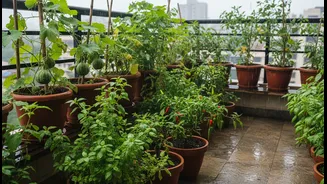
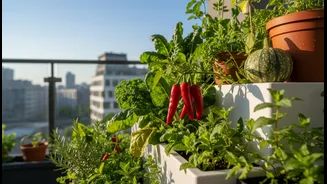


The Joy of Apartment Farming
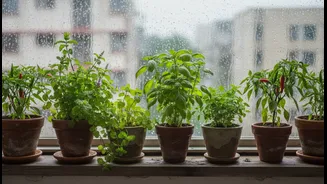
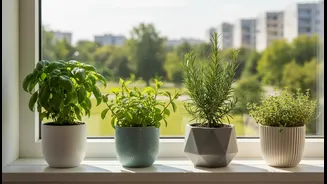
Living in an apartment shouldn't mean giving up on the satisfaction of growing your own food. A windowsill herb garden is the perfect entry into urban farming, requiring minimal space, effort, and investment. The benefits go far beyond fresh ingredients;
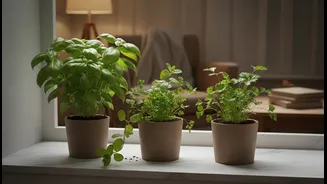
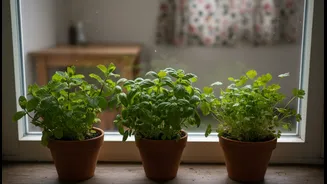
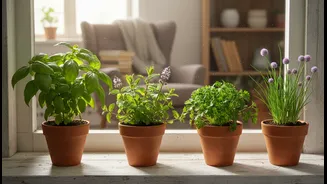
it's a chance to connect with nature, add a touch of living decor to your home, and enjoy the unparalleled taste of homegrown produce. Growing herbs is often easier than tending to vegetables, making it an ideal project for beginners. With just a few pots on a sunny ledge, you can have a constant supply of aromatic greens that elevate your daily meals and save you money on store-bought bunches that often go to waste.
Your Simple Starter Kit
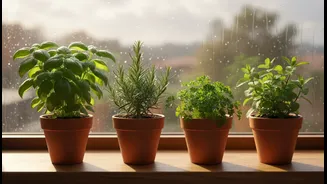
Getting started is surprisingly straightforward. You don't need a lot of fancy equipment. The essentials include a few small to medium-sized containers (around 6-8 inches deep) with drainage holes, a bag of good quality potting mix, and your chosen herb seeds or starter plants. Terracotta pots are a classic choice, but any container will do as long as it allows excess water to escape. For sunlight, a south or west-facing window is ideal as most herbs love about four to six hours of sun daily. However, in many Indian homes, a bright east-facing window with strong morning sun can also work wonders.
1. Mint (Pudina): The Prolific Cooler
Mint is famously easy to grow and a staple in Indian kitchens for everything from chutneys to refreshing summer drinks. In fact, it's so vigorous that growing it in a container is highly recommended to keep it from taking over. Mint prefers consistently moist soil and can tolerate a bit of shade, making it quite forgiving for new gardeners. You can start it easily from a cutting from a friend or a bunch you bought from the market. Just place a healthy stem in a glass of water, and it will sprout roots in about a week, ready to be planted. To encourage a bushier plant, harvest leaves regularly by pinching off the top stems.
2. Coriander (Dhania): The Flavour Staple
No Indian kitchen is complete without fresh coriander, and growing it is simpler than you might think. Coriander grows quickly from seeds, which you can sow directly into your pot. It prefers cooler weather, so it does exceptionally well in the spring and autumn months. Keep the soil consistently moist but not waterlogged. You can start harvesting the outer leaves once the plant is about six inches tall. This allows the centre of the plant to keep producing new growth. If you notice it starting to flower, this is a sign it might be getting too hot, but you can simply sow a new batch every few weeks to ensure a continuous supply.
3. Holy Basil (Tulsi): The Sacred Aromatic
Tulsi is more than just an herb in India; it's a sacred plant found in many households for its spiritual and medicinal properties. It is also a wonderfully aromatic and hardy plant for your windowsill. Tulsi loves warmth and plenty of sunlight, so a sunny spot is essential. It requires regular watering, especially in warmer weather, but the soil should be well-draining. To encourage the plant to grow full and bushy, it's important to pinch off the flowering tips as soon as they appear. This directs the plant's energy into producing more of its fragrant leaves, which can be used for teas or simply to purify the air in your home.
4. Lemon Balm: The Citrus Surprise
For a delightful, citrusy aroma that brightens your kitchen, Lemon Balm is an excellent choice. A member of the mint family, it shares the same easy-going, vigorous nature and is perfect for container gardening. It can tolerate lower light levels than some other herbs, though it will be happiest with a few hours of sun. The leaves can be used to make a calming, lemon-scented tea or added to salads and fish dishes for a hint of freshness. Like mint, it grows quickly and benefits from regular trimming to keep it compact and productive. Its pleasant fragrance is an added bonus, acting as a natural air freshener for your home.
Harvesting and Care Tips
The golden rule of watering is to check the soil. Stick your finger about an inch deep; if it feels dry, it's time to water. Avoid letting the pots sit in soggy soil. The key to a productive herb garden is regular harvesting. Don't be shy about snipping what you need for your cooking. Frequent trimming actually encourages most herbs to grow back fuller and stronger. When you harvest, snip off stems just above a set of leaves. This will signal the plant to send out new shoots from that point, creating a bushier, healthier plant for a long-lasting supply.