






Start with a Smarter Wash
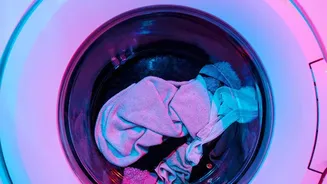
The battle for fresh clothes begins in the washing machine, not on the clothesline. First, avoid letting damp or sweaty clothes pile up in the laundry basket, as this gives mildew a head start. When you do wash, consider adding a natural deodoriser to
the cycle. Half a cup of white vinegar added during the rinse cycle can work wonders. Vinegar contains acetic acid, which helps break down the residues that cause odours and also acts as a natural antibacterial agent. Don't worry about the smell; it washes out completely, leaving your fabrics fresh. Alternatively, half a cup of baking soda can be added to the wash to help deodorise and soften clothes. Just be sure to use either vinegar or baking soda, not both at the same time, as they can neutralise each other.
Maximise the Spin Cycle
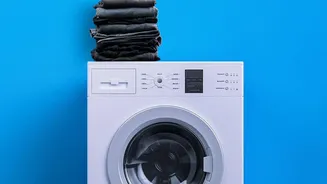
Before you even think about hanging your laundry, make sure you’ve removed as much water as possible. Your washing machine's spin cycle is your best friend during the monsoon. Once the wash cycle is complete, run an additional high-speed spin cycle. This simple step can extract a significant amount of excess moisture from the fabrics, dramatically cutting down the time they need to hang. Heavier items like jeans, towels, and bedsheets benefit the most from this extra spin. The less water your clothes are holding when you hang them up, the less work evaporation has to do in a humid environment.
Give Your Clothes Space to Breathe
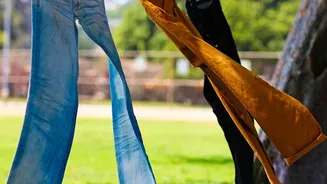
Overcrowding is one of the biggest mistakes when drying clothes indoors. Each garment needs its own space for air to circulate freely. If you're using a drying rack, hang items with at least an inch of space between them. Using hangers for shirts, tops, and trousers is a great strategy. Hanging garments on individual hangers allows for 360-degree airflow, speeding up drying and preventing parts of the fabric from staying damp where they touch a wire or another piece of clothing. This also helps reduce wrinkles, making ironing easier later. Shake each item out before hanging to open up the fibres.
Create Your Own Airflow
In the absence of a warm, dry breeze outdoors, you need to create one inside. Strategic use of fans can make a huge difference. Position a pedestal or ceiling fan to blow air directly across your drying rack. This constant movement of air helps to whisk away the moist air surrounding the clothes, which accelerates evaporation. Even on a rainy day, opening windows in different rooms to create a cross-breeze can help, as long as rain isn't blowing in. The goal is to keep the air in the room from becoming stagnant and saturated with moisture from the drying laundry.
Invest in a Dehumidifier
For those living in extremely humid areas, a dehumidifier can be a game-changer. These appliances work by pulling excess moisture directly out of the air, creating a much better environment for drying clothes. For best results, place your drying rack and the dehumidifier in a small, closed room, like a bathroom or spare bedroom. Closing the doors and windows ensures the machine is only working to dry the air inside that specific room. Many modern dehumidifiers even have a dedicated 'laundry mode' designed for this very purpose. While it's an investment, a dehumidifier is generally more energy-efficient and gentler on clothes than a tumble dryer.
The Finishing Touches
Once your clothes are almost dry, a hot iron can finish the job. Ironing clothes that are still very slightly damp not only removes wrinkles but also helps kill any lingering odour-causing bacteria with heat, ensuring they are thoroughly dry and fresh. When storing clothes, make sure your wardrobe isn't packed too tightly, as this restricts airflow and can trap moisture, leading to that dreaded musty smell even in clean clothes. Using natural moisture absorbers like chalk or silica gel pouches in your closet can also help maintain freshness throughout the season.