




The New National Priority: Protein
For decades, the Indian diet has been primarily centered around carbohydrates. But a massive change is underway, driven by rising health consciousness, growing disposable incomes, and the influence of global wellness trends. Today’s consumers, especially
in urban areas, are actively seeking out protein-rich foods to support fitness goals, manage weight, and lead healthier lifestyles. This 'protein push' has turned nutritional labels into a key battleground for food brands. Reports project that India's per-capita protein consumption is set to more than triple by 2070, indicating a long-term, structural change in the nation's dietary habits. This shift is forcing every food sector to adapt, but none more so than the country's largest, the dairy industry.
From Milk Pouches to Protein Powerhouses
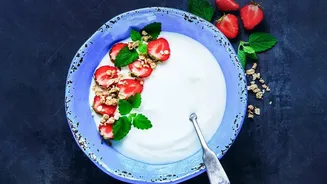
As the world's largest producer and consumer of milk, India's dairy industry is undergoing a significant transformation. The focus is rapidly moving from simply selling liquid milk—a high-volume but low-margin business—to creating value-added products that command a premium. Companies are now in a race to innovate, filling shelves with products like Greek yogurt, which has a higher protein content than traditional dahi, high-protein flavored milks, and fortified paneer. Leading players like Amul, Mother Dairy, and Britannia are expanding their portfolios to include everything from whey protein powders to ready-to-drink protein shakes. This isn't just about catering to gym-goers; it’s about meeting the demands of everyday consumers who now equate protein with good health. The value-added dairy segment has seen explosive growth, with its market size more than doubling in recent years.
The Business of Value Addition
This evolution is a strategic move for dairy companies. Value-added products offer much higher profit margins compared to liquid milk. The India milk protein market, which was valued in the hundreds of millions of dollars in 2024, is projected to grow significantly, with some analysts predicting a compound annual growth rate (CAGR) of over 9%. This growth is fueled by the versatility of milk proteins, which can be used as concentrates or isolates in a vast range of products, from dietary supplements to infant formula. Major dairy cooperatives and private players are investing heavily in new processing facilities and expanding their cold-chain infrastructure to support this premium shift. The expansion of quick commerce and modern retail is also making these products more accessible to consumers in urban and semi-urban areas, further accelerating the trend.
Challenges on the Horizon
Despite the momentum, the path is not without its obstacles. One of the biggest challenges is consumer education and price sensitivity. High-protein dairy products are inherently more expensive to produce and purchase. Another significant hurdle is infrastructural. India's traditional dairy ecosystem is set up for paneer and ghee production, which yields 'acid whey'—a type of whey that is difficult and costly to process into the high-quality protein powders popular globally. The global standard, 'sweet whey', primarily comes from cheese production, a segment that is still nascent in India. This creates a structural gap, forcing India to import a significant portion of its high-grade whey protein, despite being the world's top milk producer. Furthermore, maintaining quality and consistency across a fragmented supply chain remains a constant challenge.