




The Reality of Restaurant Calorie Counts
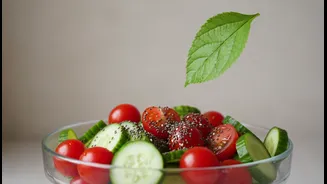
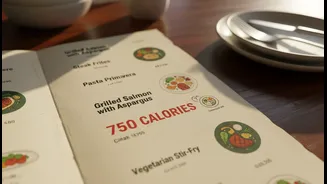
You see a salad listed at 450 calories and feel confident in your choice. However, research paints a more complicated picture. Multiple studies have found significant discrepancies between the calories stated on menus and the actual calorie content of
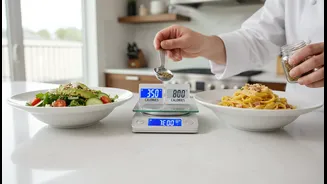
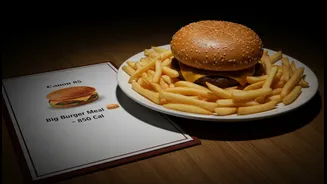
the food served. One major analysis found that nearly 20% of restaurant dishes contained at least 100 calories more than advertised. In a particularly jarring case, a side dish listed at 450 calories actually contained over 1,000 extra calories. The problem is often worse in sit-down restaurants compared to fast-food chains, where portioning is more mechanised and consistent. Ironically, the food items marketed as healthier options, like salads and soups, are frequently the most likely to have inaccurate calorie counts, often due to variations in high-calorie dressings and toppings.
Meet ‘Portion Creep’: The Hidden Saboteur
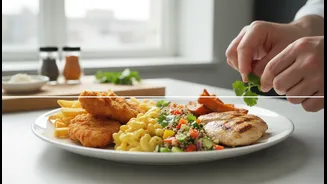
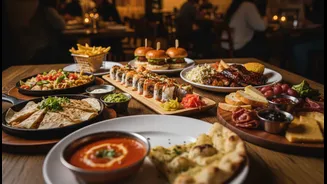
The main culprit behind these calorie discrepancies is often 'portion creep' or 'portion distortion'. This is the gradual, often unintentional, increase in serving sizes over time. What was considered a large meal two decades ago might now be a standard serving. In a busy kitchen, a cook might add a more generous glug of oil, a larger scoop of rice, or an extra piece of chicken without thinking. These small additions add up quickly. This happens for several reasons: a desire to provide customers with good value for their money, a lack of strict portion control tools in every kitchen, and simple human inconsistency. The result is that you, the diner, are consuming more calories, fat, and sodium than you signed up for, even when you think you're making a mindful choice.
Why Bigger Isn’t Better for Your Health
Studies consistently show that when people are served larger portions, they tend to eat more—regardless of their hunger level. This consistent overconsumption can have significant long-term health consequences. An extra 100 calories a day can lead to a weight gain of up to 10 pounds in a year. Beyond just weight gain, consistently eating more than our bodies need can strain our metabolic processes, increasing the risk of insulin resistance and type 2 diabetes. It can also elevate blood pressure and cholesterol levels, putting stress on our cardiovascular system. This isn't about shaming anyone for enjoying a large meal; it's about being aware that the 'normal' portion served in many restaurants has become abnormally large, quietly pushing us to overeat.
Your Toolkit for Smart and Savvy Dining
While you can't control what happens in the kitchen, you can absolutely control what you eat. Arm yourself with a few simple strategies to combat portion creep. First, ask for a to-go box when your meal arrives and immediately pack away half of it for another meal. Out of sight, out of mind. Second, consider sharing a large main course with a dining companion or making a meal out of one or two appetisers or side dishes. Don't hesitate to ask your server if half-portions are available; many restaurants are happy to accommodate. Also, always ask for sauces, gravies, and dressings on the side. This puts you in charge of how much is added. Finally, pay attention to your body’s own fullness cues. Eat slowly and mindfully, and remember that you don't have to clean your plate just because the food is there.