



Why Araku in the Monsoon?
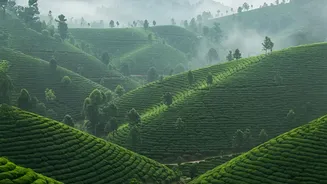
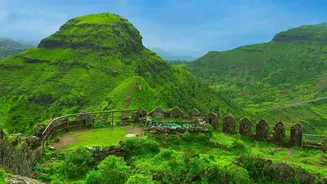
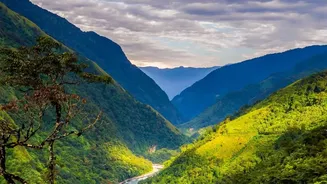
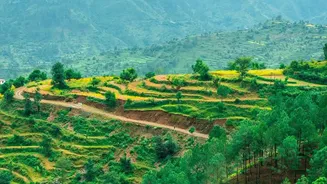
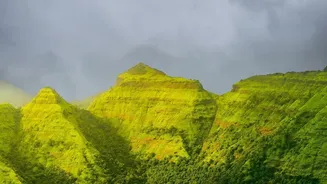
While many travellers prefer the crisp winter months, the monsoon season, from June to September, is when Araku Valley truly comes alive. The landscape undergoes a dramatic transformation, with hills that were brown in the summer bursting into an intense,
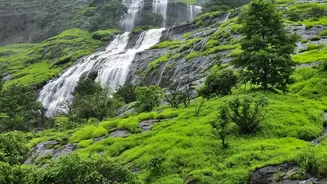
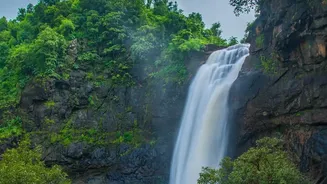
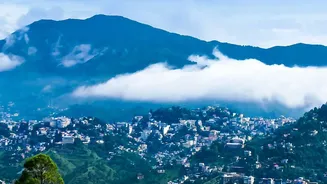
vibrant green. The air is clean, the weather is cool, and the region's waterfalls, which can be mere trickles at other times, become powerful, thundering cascades. This is the valley in its most lush and atmospheric state, offering a dramatic backdrop of rolling mist and grey skies that feels a world away from urban life. For nature lovers and photographers, the rain-washed scenery provides a unique and powerful charm.
The Plantation Homestay Experience
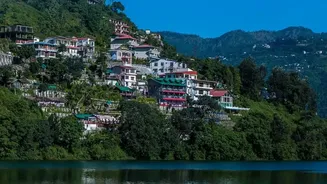
At the heart of the Araku experience are its sprawling coffee and pepper plantations, and staying within one is the best way to immerse yourself in the region's rhythm. Many plantations offer guesthouses or homestays, allowing you to wake up to panoramic valley views and the fragrant aroma of coffee. These stays range from rustic eco-resorts to more comfortable cottages, often run by local tribal communities who have cultivated this land for generations. The experience is about slowing down: sipping freshly brewed organic coffee on a misty balcony, taking leisurely walks through the plantations, and disconnecting from the constant demands of city living. Many properties offer farm-to-table dining, serving local delicacies made with organic ingredients straight from their gardens.
Beyond the Balcony: What to Do
While relaxation is a key draw, the valley offers plenty for the active traveller. A must-do is exploring the coffee estates to learn about the journey from bean to cup; India's first organic coffee was produced here. The monsoon swells waterfalls like Katiki and Chaparai, making them spectacular sights, though care must be taken on slippery trails. For a dose of culture, the Araku Tribal Museum offers insights into the heritage and lifestyle of the local communities. The ancient, million-year-old limestone formations of the Borra Caves are another major attraction, located a short drive away. And no trip is complete without sampling the local culinary specialty, Bongulo Chicken, a flavourful dish cooked inside a bamboo stalk.
Planning Your High-Altitude Escape
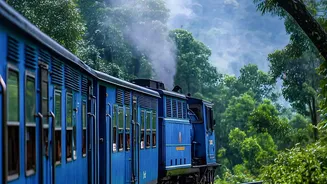
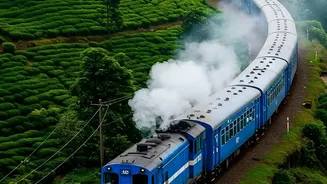
Araku Valley is most accessible from Visakhapatnam, which has the nearest airport and major railway station. From Vizag, the journey is about 115 kilometres and can be made by road in around three to four hours. The ghat roads are scenic but require careful driving, especially during the monsoon, so hiring an experienced local driver is a wise choice. Alternatively, the train journey from Visakhapatnam is an experience in itself, passing through dozens of tunnels and bridges with stunning valley views, particularly from the Vistadome coach. When packing, include rain gear, non-slip footwear, and light woollens, as the high-altitude evenings can be chilly even in the monsoon. While the monsoon is considered off-peak, it's still best to book accommodation in advance to secure a spot in a sought-after plantation stay.