








What is AI Interview Coaching?
AI interview coaching uses artificial intelligence to simulate job interviews and provide feedback to candidates. [8] Platforms like Google's Interview Warmup, Career.io, and Huru offer mock interviews where an AI asks questions and then analyzes the user's
responses. [1, 2] These tools are designed to help job seekers practice their answers, improve their communication style, and build confidence before facing a human interviewer. [5] They can be tailored to specific industries and job roles, from software engineering to sales, asking behavioral, technical, and situational questions to mimic the real thing. [7, 8]
How Does It Actually Work?
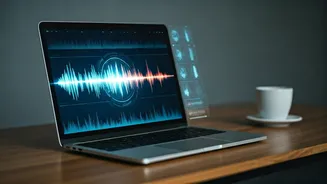
The process typically involves using your device's microphone and webcam. You answer questions posed by the AI, either by speaking or typing. [7] The system then analyzes multiple facets of your performance. This includes the content of your answers, tracking the use of relevant keywords and ensuring you've actually addressed the question. [1] It also scrutinizes your delivery, measuring metrics like speaking pace, the frequency of filler words (like "um" or "ah"), and tone of voice. [5] Some advanced platforms even offer analysis of non-verbal cues. [9] Afterwards, you receive a detailed report highlighting your strengths and areas for improvement, allowing you to practice repeatedly and track your progress. [6, 7]
The Promise: A 24/7, Objective Practice Partner
The primary appeal of AI coaches is their accessibility and objectivity. Unlike a human coach, an AI is available anytime, anywhere, allowing for unlimited practice without scheduling conflicts or added costs. [3, 11] This constant access can be a significant confidence booster and help reduce interview anxiety by creating a safe space to practice without judgment. [5] Proponents argue that AI provides data-driven, consistent feedback, free from the unconscious biases that a human reviewer might have. [5, 28] For candidates who feel nervous or unsure where to start, these tools can provide much-needed structure and a clear path for preparation. [4]
The Pitfalls: Bias, Authenticity, and Privacy
Despite their benefits, AI coaching tools have significant limitations. A major concern is algorithmic bias. If the AI is trained on historical data that reflects past hiring biases, it can learn to unfairly penalize candidates based on gender, race, or age. [21, 26] For example, an AI trained on résumés from a male-dominated industry might develop a bias against female candidates. [25] There's also the risk of over-reliance, which can lead to candidates sounding robotic or inauthentic. [10] An AI cannot fully grasp emotional intelligence, nuance, or a candidate's ability to think on their feet—qualities that are crucial in a real conversation. [3, 11] Furthermore, using these platforms raises privacy questions, as sensitive personal and professional data is shared with a third-party tool. [10]
The Human Element vs. The Algorithm
The rise of AI coaching prompts a critical question: can an algorithm truly replace a human mentor? The consensus is, not entirely. AI tools excel at providing structured practice and analyzing specific metrics, but they lack the ability to offer personalized, context-aware advice that an experienced human coach can. [11] A human can read the room, offer encouragement, and help a candidate refine their personal stories until they feel natural, not memorized. [10, 11] Some tools are now blurring the line, offering real-time answer suggestions during live interviews, which recruiters are actively trying to detect. [13, 14] Companies are even reverting to in-person interviews to combat this, emphasizing that authenticity is what ultimately gets you hired. [14] The most effective approach seems to be a hybrid one: using AI as a tool for repetition and practice, while relying on human mentors for nuanced feedback and genuine connection. [3, 4]