





The Anatomy of a Gridlock
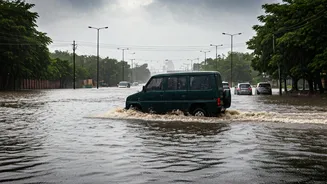
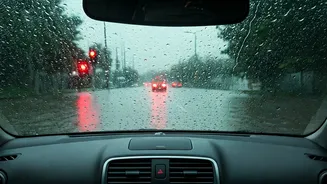
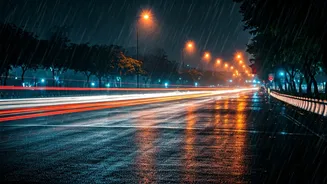
Even a brief, intense spell of rain is enough to bring large parts of the city to a standstill. The primary culprit is widespread waterlogging. Key arterial roads and underpasses become submerged, creating bottlenecks that ripple across the entire city.
According to the India Meteorological Department (IMD), rainfall on July 2 led to waterlogging and traffic snarls across the city. The Delhi government has identified 169 locations prone to waterlogging, with nine underpasses, including Minto Bridge and Pul Prahlad Pur, flagged as particularly vulnerable. Even with preparedness measures, the sheer volume of rain often overwhelms the city's infrastructure, turning major intersections like ITO and stretches of the Ring Road into parking lots.
A Decades-Old Drainage Problem
The reason Delhi floods so consistently lies in its ageing and inadequate infrastructure. Much of the city's drainage system was designed in 1976 and built to handle a maximum of 50 mm of rain over 24 hours. Recent downpours have far exceeded this capacity, overwhelming the network. Experts point out that rapid and often unplanned urbanization has made the problem worse. Increased paved surfaces prevent rainwater from being absorbed into the ground, leading to more surface runoff. Furthermore, many of the city's stormwater drains are clogged with silt and garbage, or have been encroached upon, reducing their effectiveness. In many cases, sewage and stormwater drains are improperly mixed, further taxing the system during heavy rains.
The Public Transport Squeeze
When roads become impassable, the strain shifts to public transport, but it offers little escape. Waterlogging forces bus routes to be diverted, leading to delays and cancellations. Those who turn to the Delhi Metro find platforms and trains packed far beyond capacity, as it becomes the only reliable mode of transport. The situation is worse for those relying on autos and ride-hailing services. Fares surge dramatically, and availability plummets as drivers stay off the waterlogged streets. The IMD often advises commuters to check for traffic disruptions and plan their journeys accordingly, as even elevated metro lines can face speed restrictions during high winds and heavy rain.
Navigating the Monsoon Mayhem
While authorities work on long-term solutions, commuters are left to fend for themselves. For the 2026 monsoon season, authorities have increased the number of water pumps and deployed teams to monitor hotspots. However, individual preparedness is key. Before heading out, check live traffic updates on navigation apps and the Delhi Traffic Police's social media handles for advisories. The IMD frequently issues alerts—from yellow to red—which can provide an early warning of intense rainfall. If possible, build flexibility into your schedule to avoid peak-hour travel during a downpour. Having a charged power bank and a waterproof bag for electronics can also save you a lot of trouble. For those with no choice but to travel, using the Delhi Metro is often the safest, albeit most crowded, bet.