


A Dazzling Dance in the Dusk
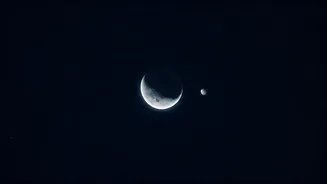
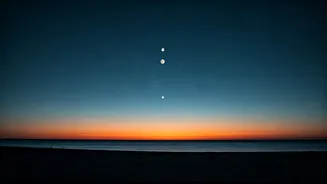
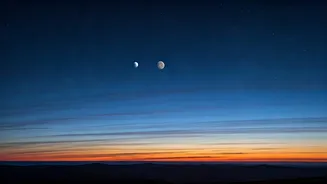
For a few brief hours after sunset, the two brightest objects in our night sky appeared to draw close in a stunning celestial rendezvous. This event, known as a conjunction, sent amateur astronomers and casual observers alike rushing outside with their
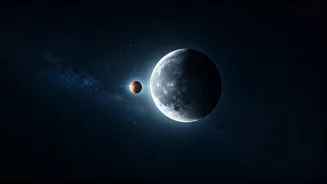
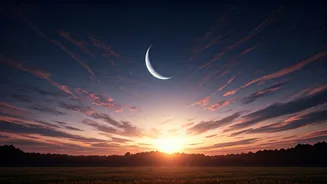
phones and cameras. Social media feeds quickly filled with incredible images from across the country—from the shores of Mumbai to the hills of Himachal Pradesh—each capturing the serene beauty of the pairing. What made this particular event so spectacular was the clarity and brightness of Venus, often mistaken for an aircraft or a star, appearing as a bold pinprick of light beside the delicate sliver of the young Moon against a deep blue and orange canvas.
What Is a Celestial Conjunction?
So, what exactly happens during a conjunction? It’s all about perspective. Venus and the Moon weren't actually close to each other in space—in fact, they remained millions of kilometres apart. A conjunction occurs when two or more celestial bodies appear to be near one another in the sky, as seen from our vantage point on Earth. Think of it like seeing two distant mountains line up perfectly from a specific spot on a road; they only look close because of your line of sight. These alignments happen regularly as the Moon, planets, and Sun travel along a similar path in the sky called the ecliptic. But not all conjunctions are created equal. The visual appeal depends on the brightness of the objects, their apparent closeness, and the time of day they are visible.
Venus: The Brilliant 'Evening Star'
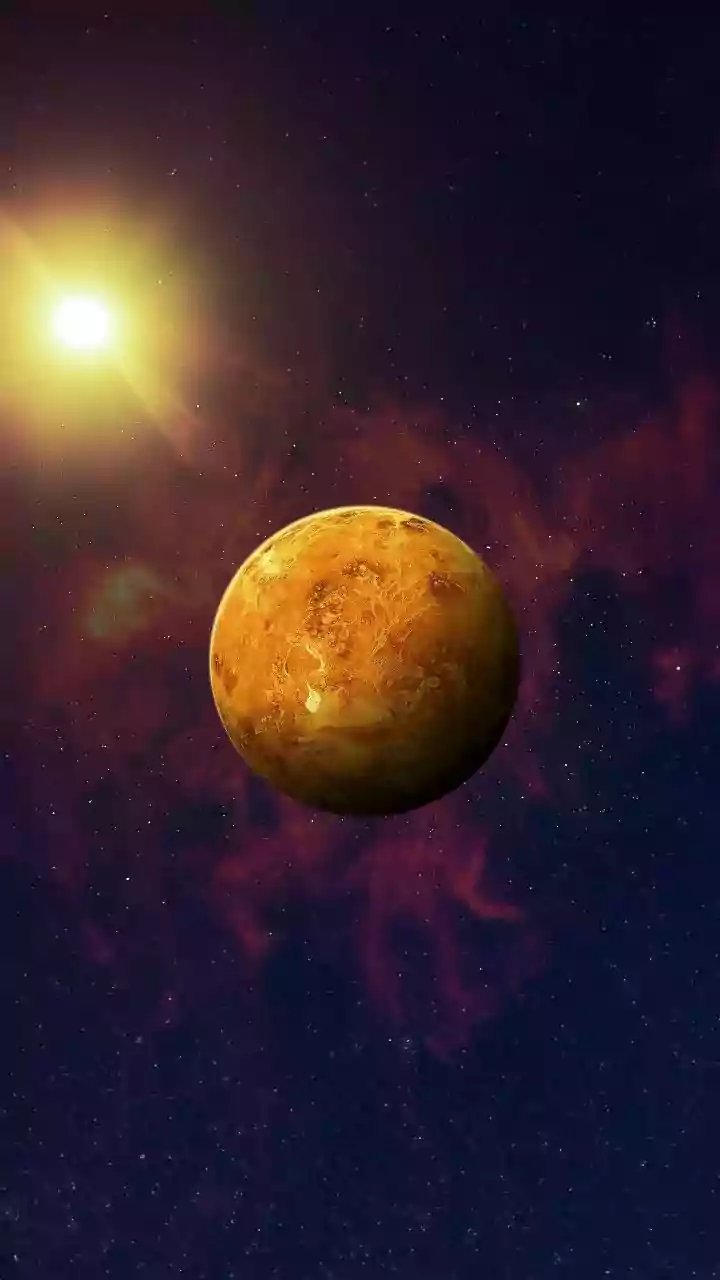
The star of the show, besides the Moon itself, was Venus. Often called the 'Morning Star' or 'Evening Star', Venus is a planet, not a star. Its incredible brightness is due to two main factors. First, it's our closest planetary neighbour. Second, its atmosphere is covered in thick, highly reflective clouds of sulfuric acid that bounce a huge amount of sunlight back into space, making it shine more brightly than any other planet or star in our sky. Because its orbit is inside Earth's, we only ever see it for a few hours before sunrise or after sunset, which is why it has earned its poetic nicknames and has captivated human imagination for millennia.
The Rise of Indian Astrophotography
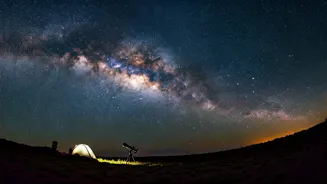
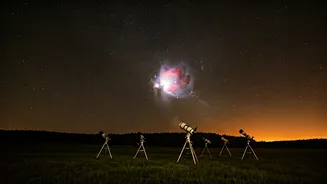
This event also highlighted the burgeoning community of astrophotographers in India. Once a niche hobby requiring expensive, specialised equipment, capturing the cosmos has become more accessible than ever. Today’s smartphone cameras, with their advanced low-light modes and manual settings, have empowered countless people to take stunning photos of the night sky. For more serious enthusiasts, affordable DSLRs and dedicated astronomy cameras have opened up a universe of possibilities. This has fostered vibrant online communities where photographers from all over India share tips, celebrate each other's work, and collectively document these fleeting celestial moments. It’s a powerful reminder that the wonders of the universe are not just for scientists in observatories but are available for everyone to enjoy and capture.
How to See the Next Celestial Show
If you missed this conjunction, don’t worry. The cosmos is always putting on a show. Planetary conjunctions, meteor showers, and other astronomical events happen throughout the year. To catch the next one, you don’t need a fancy telescope. Simply find a spot with a clear view of the horizon, away from bright city lights if possible. Apps like Stellarium, Star Walk, or websites like Time and Date provide detailed calendars of upcoming celestial events, showing you exactly where and when to look. Sometimes, the most profound experiences require nothing more than taking a moment to step outside, look up, and appreciate the grand, silent clockwork of our solar system.