








Embrace Light and Warm Foods
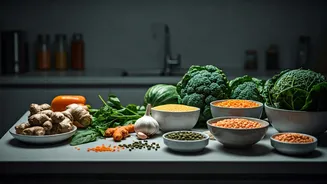
During the monsoon, our digestive system naturally slows down. Heavy, oily, and fried foods can lead to bloating and indigestion. Instead, focus on light, warm, and freshly cooked meals. Think comforting bowls of khichdi made with moong dal, steamed vegetables,
and warm soups. These foods are not only easy on the stomach but also provide essential nutrients without overwhelming your system. Opt for grains like barley, rice, and wheat to form the base of your meals. According to Ayurvedic principles, warm and cooked foods are preferable to raw ones, as they are gentler on the digestive fire or 'Agni' during this season.
Power Up with Immunity-Boosting Spices
Your kitchen spice box is a powerful ally during the rains. Spices like turmeric (haldi), ginger (adrak), garlic (lehsun), and black pepper (kali mirch) are renowned for their immune-boosting and anti-inflammatory properties. Incorporating these into your daily cooking can help your body fight off common monsoon infections like coughs and colds. A pinch of turmeric in your milk or dal, a slice of ginger in your tea, and a generous amount of garlic in your sabzi can make a significant difference. These spices not only add flavour but also help improve digestion and keep infections at bay.
Choose Your Fruits and Vegetables Wisely
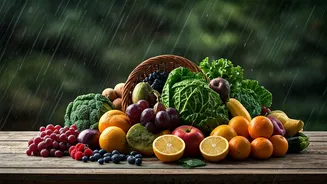
While fruits and vegetables are essential, you need to be selective during the monsoon. Opt for seasonal fruits like jamun, pomegranate, apples, pears, and plums. These are packed with vitamins and antioxidants that bolster your immunity. Be cautious with water-heavy fruits like watermelon and muskmelon. When it comes to vegetables, gourds like lauki (bottle gourd), turai (ridge gourd), and karela (bitter gourd) are excellent choices as they are light and easy to digest. It's crucial to thoroughly wash all produce in clean water to remove dirt and microbes, which are more prevalent in the damp weather.
Foods to Strictly Avoid
Knowing what not to eat is just as important. Steer clear of street food, including chaat, juices, and fried snacks like pakoras from roadside vendors. The high humidity and risk of contaminated water make these items a breeding ground for bacteria, leading to stomach infections. It's also advisable to avoid leafy green vegetables like spinach and cabbage, as they can be difficult to clean and may carry dirt and germs. Seafood should be limited, as the monsoon is the breeding season for fish, and the risk of contamination is higher. Finally, raw foods like salads should be avoided in favour of steamed or cooked preparations.
Hydrate with Warm Drinks
Even though the weather is cool, staying hydrated is crucial. However, instead of cold drinks and carbonated beverages that can dampen your digestive system, opt for warm fluids. Herbal teas made with ingredients like tulsi, ginger, lemon, and honey are excellent choices. These not only keep you hydrated but also provide soothing relief and help boost your immunity. Warm soups and broths are also a great way to meet your fluid intake while getting a dose of nutrition. Always ensure you are drinking boiled, filtered, or purified water to prevent waterborne diseases.
Prioritise Hygiene in the Kitchen
Good hygiene is paramount during the monsoon to prevent foodborne illnesses. Always wash your hands thoroughly with soap and water before cooking or eating. Use a clean chopping board and utensils. Ensure vegetables and fruits are washed meticulously before consumption. It's best to consume freshly prepared meals and avoid storing leftovers for long periods, as food spoils faster in the humid climate. By taking these simple precautions in the kitchen, you can significantly reduce the risk of falling sick and can focus on enjoying the beautiful rainy season.