





What Exactly is a Foam Drink?
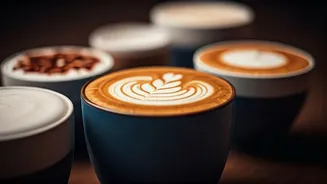
Forget the traditional steamed milk on a hot cappuccino. Today’s foam-centric coffee world is far more diverse and exciting. The category is led by cold foam, a lighter, silkier sibling to whipped cream that is aerated without heat and layered on top
of iced drinks. [14] But it doesn't stop there. The term also includes the viral Dalgona coffee, which features a whipped instant coffee froth spooned over milk, a trend that continues to see a 17% year-over-year increase in social media discussions. [10] Other variations include nitro brews with their creamy texture, cheese foam toppings popular in tea and now coffee, and even savoury foams infused with flavours like miso. [11, 18] These drinks transform a simple caffeine fix into a layered, multi-textured experience. [4]
The Rise of the Cloud-Like Coffee
So, why the sudden obsession with froth? The answer lies at the intersection of social media, sensory experience, and a desire for customisation. [4] Foam-topped drinks are undeniably photogenic, with their distinct layers creating a visually appealing product perfect for Instagram and TikTok. [15] In fact, interest in cold foam has surged by over 73% year-over-year, largely driven by its popularity on these platforms. [15, 16] Beyond aesthetics, texture is becoming a key part of the consumer experience. [4] The contrast of a light, airy foam with a bold, cold coffee provides a unique mouthfeel that many find more satisfying than a standard iced coffee. [17] This trend is especially popular with younger consumers; research shows Gen Z not only prefers cold coffee but also enjoys adding flavours and custom toppings. [5, 14]
The Indian Cafe's Foamy Makeover
India's coffee culture is booming, with consumption having more than doubled over the past decade and the market growing annually by over 10%. [12, 13] This growth is fuelled by a young, urban population that views coffee not just as a habit but as a lifestyle choice. [3, 13] Cafes in cities like Mumbai, Bengaluru, and Delhi are quickly adapting to global trends, and foam drinks are front and centre. Innovations like flash-chilled coffee and nitro brews are becoming menu staples, catering to a climate where cold drinks dominate. [11] While traditional South Indian filter coffee is also seeing a resurgence, the cafe scene is driven by experimentation. [8] Brands are tapping into the demand for customisable and experiential beverages, moving beyond basic cappuccinos to offer everything from flavoured cold foams to ready-to-drink (RTD) oat milk lattes. [11, 13]
Are Basic Orders Really Losing?
While the headline claim is bold, the data suggests a significant shift rather than a total replacement. Traditional coffee isn't disappearing, but its dominance is being challenged. [4] In 2021, Starbucks reported that three out of four drinks sold were cold, and that trend has only accelerated. [14] For many younger drinkers, a 'basic' order is now more likely to be a cold brew or an iced latte—the perfect canvas for a foam topping. The rise of foam reflects an expansion of the coffee market, where consumers now exist on a spectrum. [4] On one end are the purists who appreciate single-origin pour-overs, and on the other are those who see coffee as a fun, customisable treat. [4] Foam drinks cater to the latter, turning coffee into an accessible indulgence. This shift is also visible in the grocery aisle, where canned cold foam products from brands like Coffee Mate are seeing explosive growth, allowing consumers to replicate the cafe experience at home. [15]