



The Unseen Network of Illegal Water
Across the country, a shadow industry of illegal water bottling plants operates in plain sight. These units often use untreated or poorly filtered tap or borewell water, package it in convincing-looking bottles, and sell it to unsuspecting customers at bus
stands, railway stations, and local shops. Raids by authorities frequently uncover thousands of bottles that are not only unlicensed but also prepared in unhygienic conditions, posing a direct threat to public health. These operations bypass all safety standards, meaning the water is not tested for harmful bacteria, heavy metals, or other contaminants before it reaches you.
Decoding the Labels: FSSAI and BIS Marks
To protect consumers, India has a dual-check system, though it has recently evolved. The Food Safety and Standards Authority of India (FSSAI) license is the primary mandatory certification. Every legitimate bottle must have a 14-digit FSSAI license number printed on its label. Additionally, you might see the Bureau of Indian Standards (BIS) certification, known as the ISI mark. While mandatory BIS certification for packaged water was removed in early 2026 and replaced with FSSAI's own testing scheme, many reputable brands continue to adhere to the technical specifications of BIS standard IS 14543 for packaged drinking water as a mark of quality. The presence of a valid FSSAI number is your most crucial first check.
Your Checklist to Spot a Fake Bottle
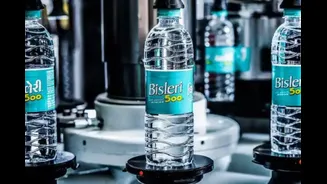
Counterfeiters are clever, but their products often have tell-tale flaws. Before you buy, become a detective and look for these red flags: Check the Seal: The cap should have an intact, tamper-proof seal. If it's loose or looks re-glued, avoid it. Examine the Label: Look for spelling mistakes, poor-quality printing, or smudged ink. Counterfeiters often use names that sound similar to popular brands, like 'Bilseri' instead of 'Bisleri'. Find the License Number: A genuine bottle must display a 14-digit FSSAI license number and details like the manufacturer's address, batch number, and manufacturing date. If these are missing, it's a major warning sign. Bottle Quality: Unregulated sellers often use cheap, flimsy, or dirty-looking plastic bottles that may be scratched from reuse.
The Serious Health Risks of Contaminated Water
The danger of drinking from unverified sources is severe. Unregulated water can be a cocktail of microbiological and chemical contaminants. Consuming it can lead to waterborne diseases such as cholera, typhoid, and dysentery. Beyond immediate infections, this water may contain heavy metals from contaminated groundwater or chemicals like bromate, a potential carcinogen, that leach from low-quality plastics. Studies have also found high concentrations of microplastics in locally bottled water, which can carry toxins and pose long-term health risks that are still being understood.
How to Verify a Brand's Authenticity
You can take verification a step further using your smartphone. The FSSAI license number is not just for show. You can verify the 14-digit number on the FSSAI's official web portal (FoSCoS) or through its mobile app. This will confirm if the license is valid and if it matches the manufacturer listed on the bottle. Similarly, if a bottle does carry an ISI mark, you can use the BIS Care app to verify its CM/L number to see if the brand holds an active license for the correct product standard (IS 14543 for packaged drinking water). This simple step can provide definitive proof of a product's legitimacy.