






Seal Gaps in Windows and Doors
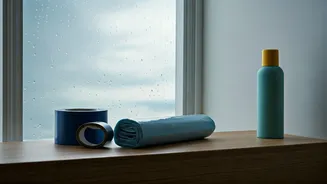
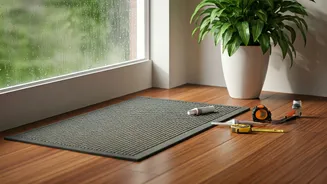
That small gap under your balcony door might seem harmless now, but it’s an open invitation for rainwater and unwanted pests. Your first line of defence is a thorough inspection of all windows and doors, especially those exposed to direct rain. Look for cracks
or gaps between the frame and the wall. For minor gaps, applying a good quality silicone sealant is a quick and effective DIY fix. For gaps under doors, self-adhesive rubber weatherstripping is an inexpensive upgrade that not only blocks water but also helps keep insects out and improves the efficiency of your air conditioning. It's a 30-minute job that can save you hours of mopping.
Clear All Drains and Gutters
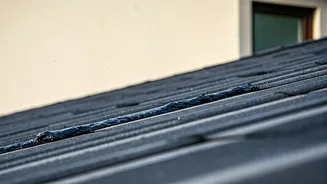
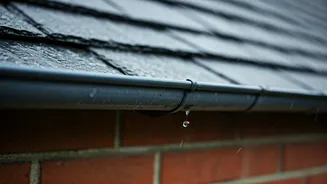
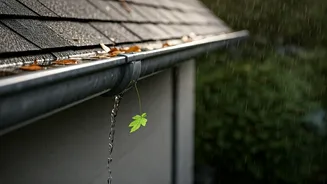
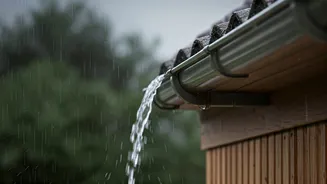
Waterlogging is one of the most common and damaging monsoon problems. The culprit is often something simple: choked drains. Before the downpours begin in earnest, take an hour to clear all the drains in your home. This includes balcony drains, terrace outlets, and any open drains around your property. Remove fallen leaves, dust, plastic wrappers, and any other debris that could cause a blockage. If you have rain gutters along your roof, ensure they are completely clear. Clogged gutters can cause water to overflow and seep into your walls, leading to significant dampness and structural issues. A simple sweep and flush can prevent a major headache.
Declare War on Dampness
The monsoon’s humidity can make everything feel slightly damp, leading to musty smells and the dreaded growth of mould and mildew. You can proactively combat this by strategically placing moisture absorbers in enclosed spaces. While commercial dehumidifiers work wonders, simpler solutions are just as effective. Place camphor balls (kapur), neem leaves, or even small pouches of silica gel inside cupboards, shoe racks, and bookshelves. These absorb excess moisture and keep your belongings fresh. Another easy trick is to pull your large furniture, like beds and cupboards, a few inches away from the walls. This allows air to circulate behind them, preventing damp patches from forming on the wall.
Create an Emergency Power Kit
Monsoon storms and power cuts often go hand-in-hand. Being caught in the dark without a charged phone is more than just an inconvenience; it can be a safety issue. Prepare a dedicated 'power-cut kit' and keep it in an easily accessible spot. Your kit should include a few essentials: a powerful LED torch or emergency lamp, a fully charged power bank for your mobile devices, a fresh pack of candles, and a lighter or matchbox. Check the batteries in your torch regularly. Having this kit ready means you won't be scrambling in the dark when the lights go out, turning a potentially stressful situation into a minor interruption.
Protect Your Wooden Furniture
Wood is particularly vulnerable to high humidity. It tends to swell, making doors and drawers difficult to open and close. Give your beloved wooden furniture a protective layer before the monsoon sets in. Applying a coat of wax or varnish can create a barrier against moisture, preventing damage and preserving the wood's finish. For unpolished furniture, a simple coating of oil can also help. It’s also wise to move expensive or antique wooden pieces away from external walls that are prone to dampness. A little preventative care now will ensure your furniture looks just as good after the rains as it did before.
Roll Up the Welcome Mat for Pests
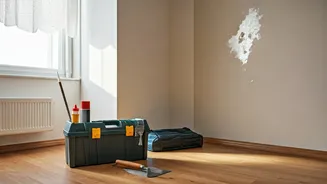
Rain brings relief from the heat, but it also forces insects and other pests to seek shelter indoors. Your home can become an attractive refuge if not properly secured. Start by checking all your window meshes for tears and repairing them. Use sealant to fill any cracks in walls or floors, particularly around pipes, that could serve as entry points. Instead of harsh chemical sprays, consider using natural repellents. A few drops of clove or peppermint oil on cotton balls placed near windows and doors can deter ants and other creepy crawlies. Keeping your kitchen counters clean and storing food in airtight containers will also make your home less inviting to them.