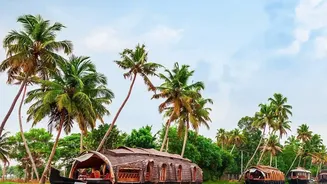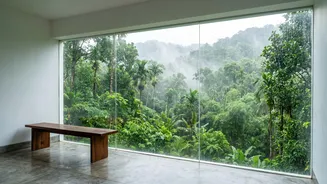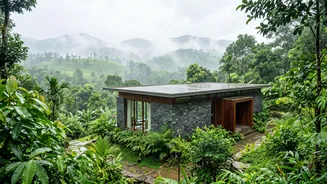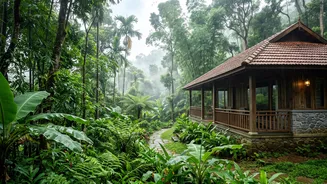



Understanding the Monsoon Challenge
Wayanad, a jewel in the Western Ghats, transforms during the monsoon months of June to September. Waterfalls thunder back to life and the landscape turns a brilliant, lush green. However, this beauty comes with a caution. Heavy rainfall can lead to very
real dangers, including landslides, flash floods, road blockages, and power outages. Areas like Vythiri and Meppadi are particularly vulnerable. Therefore, choosing your accommodation is not just about finding a good view; it’s the most critical safety decision you will make. Before booking, it's essential to check the latest advisories from the Wayanad District Disaster Management Authority (DDMA) and monitor weather alerts.
Location, Location, Accessibility
The first step in vetting a homestay is scrutinizing its location. Many properties are listed with names of popular towns like Kalpetta but are actually in remote, poorly connected areas. During monsoon, this isolation can become a trap. Use Google Maps to check the property's exact location, paying close attention to the access roads. Avoid homestays located on steep, unstable slopes or very close to riverbanks that could flood. Good access via well-maintained roads is crucial, not just for convenience but for emergency access. Ask the host directly about the condition of the road leading to the property and if it is accessible for all types of vehicles, even during a downpour.
Verify Legitimacy and Host Presence
A genuine, safe homestay in Kerala is typically one where the owner and their family reside on the premises. This ensures there is someone available to provide immediate assistance, offer local guidance, and maintain security. Furthermore, look for homestays that are officially registered with Kerala Tourism. This classification means the property has been inspected and meets certain standards for safety and hygiene. While booking, be wary of properties with an absentee host; while not always a red flag, an on-site owner provides an invaluable layer of security and local knowledge, especially during unpredictable weather.
Ask About Infrastructure and Amenities
Rainforest charm should not come at the cost of basic safety infrastructure. Before you book, communicate with the host and ask specific questions. Does the homestay have a generator or inverter backup? Power cuts are common during heavy rains. What is the mobile network coverage like? Reliable communication is vital in an emergency. Also, inquire about the structural integrity. Are there signs of previous water damage in the photos? Is the property well-maintained? Ask about the water source and if it's safe for drinking. A professional host will be transparent and happy to answer these questions.
Read Reviews with a Monsoon Filter
Guest reviews are incredibly helpful, but they need to be read with context. A glowing review from a visitor in the dry season might not be relevant to your monsoon trip. Specifically look for reviews from guests who stayed between June and September. Their feedback will provide insights into how the property and the host handle monsoon-related challenges like leaks, pests, power cuts, and accessibility issues. Pay attention to comments on host responsiveness during difficult situations. These reviews offer the most realistic preview of what you can expect.
Booking and Final Checks
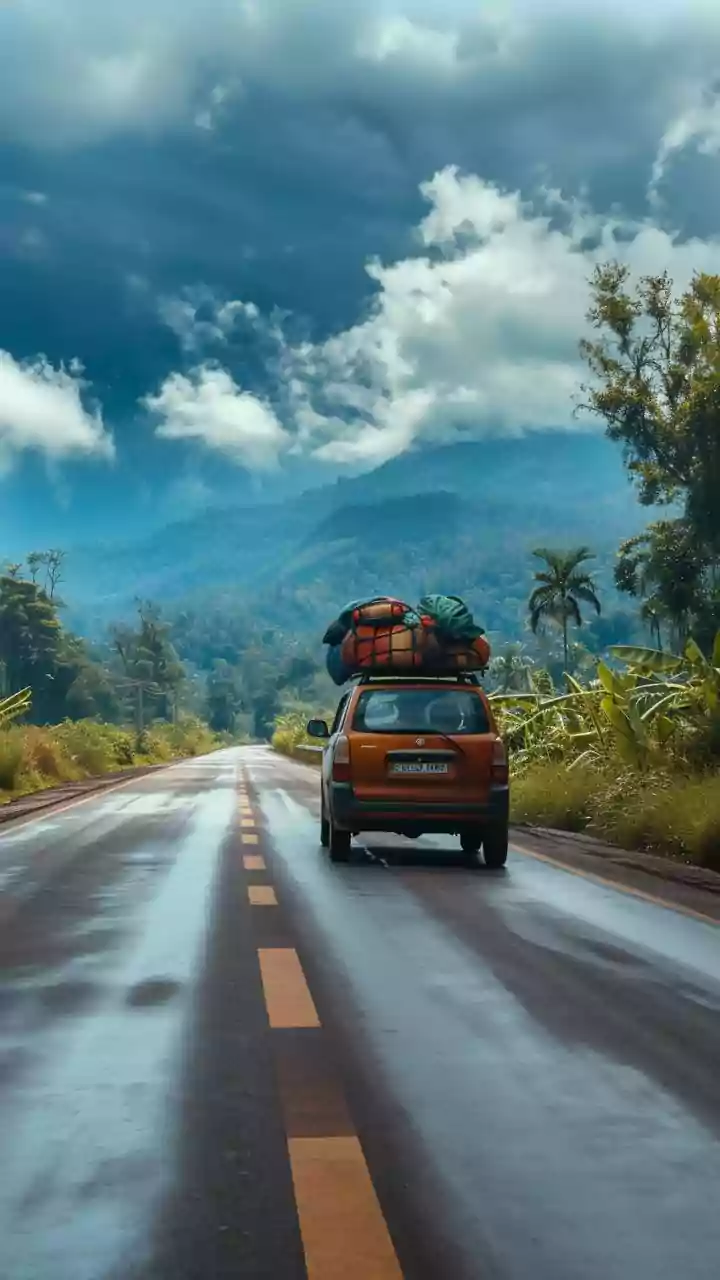
When you're ready to book, prefer platforms that allow direct communication with the host before payment. This allows you to ask all your clarifying questions. Confirm the cancellation and refund policy, especially in case of weather-related travel disruptions or government-issued advisories. Once booked, keep your host informed about your travel plans and expected arrival time. Pack smart: include a waterproof jacket, anti-slip footwear, mosquito repellent, a first-aid kit, and a power bank. Driving at night on ghat roads is best avoided during monsoon due to fog and slippery conditions.