






Why You Feel a Post-Meal Slump
We’ve all been there: you finish a satisfying lunch or dinner, and soon after, a wave of fatigue washes over you. This is often the result of a blood sugar spike. When you eat, especially a meal rich in carbohydrates, your body breaks it down into glucose,
which enters your bloodstream. This causes your blood sugar to rise, which is a normal process. In response, your pancreas releases insulin to help shuttle that glucose into your cells for energy. However, a large, rapid spike can lead to an overcorrection, causing a subsequent crash that leaves you feeling tired and unfocused. Blood sugar levels are typically at their highest 30 to 90 minutes after eating. Over time, frequent, large spikes can be a concern for long-term metabolic health and increase the risk for conditions like type 2 diabetes.
How Walking Fights the Spike
This is where a simple stroll works its magic. When you start walking, your muscles need energy. They get this energy by pulling glucose directly from your bloodstream. This physical activity helps your body use up the sugar from your meal more efficiently, which prevents your blood sugar from spiking as high as it would if you remained seated. The best part? It doesn't take much. Studies have shown that even a walk as short as two to five minutes can have a measurable positive effect on blood sugar levels. Research suggests the most effective window for this walk is within 60 to 90 minutes after you finish your meal. By making your body use insulin more effectively, these short walks help stabilize your energy and support your overall metabolic health.
More Than a Digestive Aid
While many cultures have long practiced a 'digestive walk', the benefits go beyond simply easing bloating and improving digestion. The headline’s second promise relates to muscle soreness, and this is where the concept of 'active recovery' comes in. Active recovery is low-intensity movement performed after a strenuous workout or on a rest day. Its purpose is to increase blood flow to tired muscles. This enhanced circulation helps deliver oxygen and nutrients while clearing out metabolic byproducts that contribute to delayed onset muscle soreness (DOMS)—that familiar ache you feel a day or two after a tough workout. A gentle, conversational-paced walk is considered one of the most effective and accessible forms of active recovery, helping to reduce stiffness without adding more stress to the body.
Your Perfect Post-Meal Recovery Walk
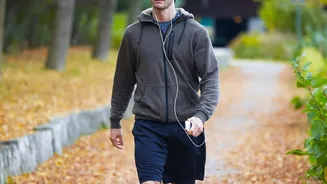
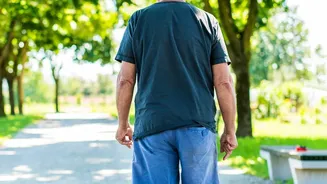
Combining these two benefits is simple. The key is to keep the intensity low and the timing right. You don't need a power walk; a leisurely stroll where you can easily hold a conversation is ideal. Aim to start your walk shortly after finishing your meal for the best blood sugar benefits. If you experience any discomfort, waiting 10 or 15 minutes is fine. How long should you walk? While even two minutes helps, most research points to a 10-to-15-minute walk as a sweet spot for significant benefits. A study even found that a 10-minute walk immediately after a meal was as effective for blood glucose control as a 30-minute walk later on. This makes it a highly practical habit to fit into a busy day, whether it’s a stroll around the block after dinner or a few laps around the office after lunch.
Making It a Sustainable Habit
The key to reaping the long-term rewards is consistency. Start small and find opportunities that fit your daily routine. Keep a pair of comfortable shoes at your workplace to make a lunchtime walk easier. In the evenings, invite your family or a friend to join you for a post-dinner stroll; turning it into a social activity can help it stick. If you work from home, a quick walk around your neighbourhood is a great way to break up the day and get some fresh air. You can even set a reminder on your phone. Remember, it’s not about adding another strenuous workout to your day. It’s about integrating gentle, purposeful movement that supports your body’s natural processes of digestion, energy regulation, and repair.