





As a chill settles in the air, our kitchens call for warmth and comfort. While it's tempting to seek foods that promise to ward off winter ailments, the truest comfort lies in enjoying the delicious variety that the season naturally provides.
Embrace Hearty Root Vegetables
Winter is
the prime season for root vegetables, which form the base of many comforting Indian dishes. Carrots, particularly the sweet red 'Delhi carrots', are abundant and perfect for more than just the classic 'gajar ka halwa'. Try shredding them into salads, slow-cooking them in sabzis, or blending them into a warm, spiced soup. Beetroots offer a vibrant colour and earthy flavour, ideal for a South Indian-style 'thoran' or simply roasted with spices. Radishes (mooli) are another winter staple, famously stuffed into parathas for a hearty North Indian breakfast that provides a satisfying and filling start to a cold day.
Go Green with Winter Leaves
The cooler months bring a bounty of fresh, leafy greens. Mustard greens (sarson) are the star of the iconic Punjabi dish 'sarson ka saag', a slow-cooked delicacy best enjoyed with 'makki ki roti' (maize flour flatbread). Fenugreek leaves (methi) are wonderfully versatile; their slightly bitter taste enhances everything from theplas and parathas to a simple 'aloo methi' sabzi. Spinach (palak) remains a nutritious and easy-to-use option, perfect for classics like 'palak paneer' or a simple 'dal palak' that combines lentils and greens for a wholesome, protein-rich meal. These greens are at their most flavourful and nutrient-dense during the winter season.
Incorporate Warming Grains
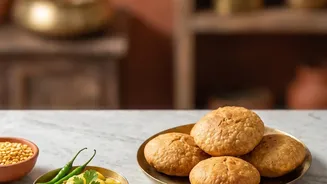
Traditional Indian diets naturally shift towards heartier grains in winter. Millets like bajra (pearl millet) and jowar (sorghum) are excellent choices. Bajra rotis, often served with a dollop of ghee and garlic chutney, are a staple in western states like Rajasthan and Gujarat. These grains are not only warming but also packed with fibre and complex carbohydrates, providing sustained energy. For a simple one-pot meal, a 'bajra khichdi' made with lentils and vegetables is both nourishing and deeply comforting.
Enjoy Seasonal Fruits and Nuts
Winter is the season for citrus fruits like oranges, which are bursting with flavour. Guavas and pomegranates are also at their peak. Beyond just being a healthy snack, these fruits can add a refreshing twist to your meals. Amla, or Indian gooseberry, makes its appearance in winter and is often used to make pickles and preserves that last through the year. Dry fruits and nuts are also traditional winter energy boosters. Sweets like 'gond ke ladoo' (made with edible gum) and 'panjiri' are prepared in many homes to provide warmth and nourishment.
Rely on Lentils and Legumes
Dals and legumes are the backbone of Indian comfort food, and winter is no exception. A simple 'masoor dal tadka' or a thick, slow cooked 'rajma masala' served with steamed rice can feel like a warm hug in a bowl. Green peas (matar) are freshest and sweetest during the winter months, making dishes like 'matar paneer' and 'matar ka nimona' (a pea based curry from Uttar Pradesh) particularly delicious. These dishes are not only flavourful but also provide excellent plant based protein.