





The Daily Dinner Dilemma
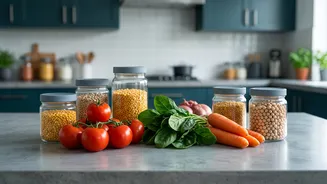
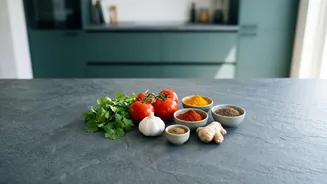
Planning daily meals in an Indian household is a complex balancing act. It involves catering to diverse taste buds, accommodating dietary restrictions, ensuring nutritional balance, and managing a pantry stocked with a vast array of spices and ingredients.
For generations, this mental load has fallen primarily on home cooks, who juggle work, family, and the relentless task of deciding what to put on the table for breakfast, lunch, and dinner. This daily decision-making process can be time-consuming and lead to repetitive meal cycles, not to mention the challenge of managing leftovers and minimizing food waste. Traditional handwritten lists and recipe books have their limits, especially for a new generation seeking efficiency and variety.
Enter the Digital Sous Chef
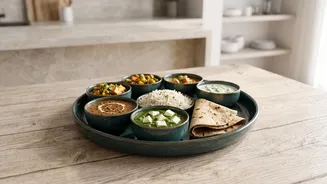
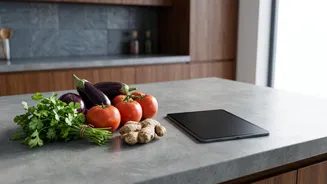
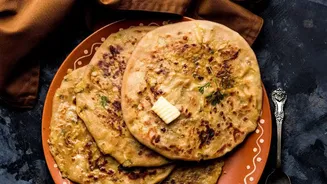
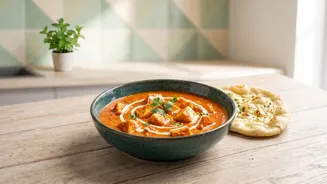
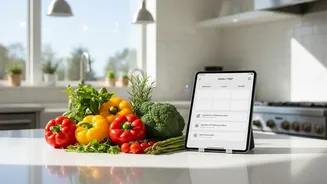
In recent years, technology has stepped in to become a digital sous chef for the modern Indian family. Meal planning applications are revolutionizing kitchen management by automating many of the tedious aspects of cooking. At their core, these apps allow users to discover new recipes, schedule meals for the week, and automatically generate organized grocery lists. This simple act of planning saves time and reduces impulse buys at the supermarket. While many early apps were built around Western cuisines, a new generation of tools is now being designed specifically with the Indian kitchen in mind. These platforms understand the structure of an Indian meal—often comprising multiple components like a dal, a sabzi, roti or rice, and an accompaniment—which global apps often fail to accommodate.
AI Gets a Taste for India
The real game-changer is the integration of Artificial Intelligence (AI). AI-powered tools are making meal planning smarter, more personalized, and incredibly intuitive. Some apps, like HealthifyMe and NutriScan, leverage vast databases of regional Indian dishes to offer tailored suggestions. AI can create custom diet plans that consider specific health goals, festivals, and dietary needs, from Jain to vegan. Other platforms like PlanNEat come preloaded with hundreds of home-style dishes from over 50 regional cuisines, allowing users to plan their week with a few taps instead of typing out recipes. This level of customization ensures that the suggestions feel like authentic home cooking, not restaurant fare. Some AI assistants can even generate a recipe on the spot based on the ingredients you have on hand, tackling the classic 'what to make with leftovers' problem.
More Than Just Deciding a Menu
The benefits of these tools extend far beyond simply deciding what to cook. By creating precise, plan-based shopping lists, families can significantly cut down on food waste and save money. Smart AI features can suggest recipes that use up ingredients before they expire. For health-conscious users, these apps provide detailed nutritional information, helping them maintain a balanced diet without complex manual calculations. The technology also encourages culinary exploration, making it easy to try a new regional cuisine or a healthier version of a family favourite. More advanced AI cooking assistants, like the NOSH robot, can even automate physical tasks like chopping and stirring, handling complex recipes with precision and freeing up the home cook's time.
Preserving Tradition Through Technology
A common concern is whether this reliance on technology might erode the rich culinary traditions passed down through generations. However, many see these tools not as a replacement for skill, but as an enabler. By handling the logistical burden of planning and organizing, these apps free up home cooks to focus on the creative and joyful aspects of cooking. They can help preserve family recipes by allowing users to digitally store and even perfectly replicate them. For busy young professionals and nuclear families, these digital assistants make it feasible to consistently prepare wholesome, home-cooked Indian meals, something that might otherwise be sacrificed for convenience. In this way, technology is not erasing tradition but rather making it more accessible and sustainable for modern life.