
An Off-Season No More
Traditionally considered the 'off-season' for tourism, the monsoon months from June to September are seeing a perception shift. While winter remains the peak season for its pleasant weather and wildlife safaris, a new wave of travellers is seeking the solitude
and serene beauty that only the rains can bring. This trend is part of a broader movement across India, where states like Goa, Kerala, and Assam are successfully promoting monsoon tourism, highlighting unique cultural festivals and eco-adventures that thrive during this time. Instead of empty hotels, many now find budget-friendly rates and fewer crowds, making it an attractive proposition for those looking for a quieter, more immersive experience.
A Landscape Reborn in Green
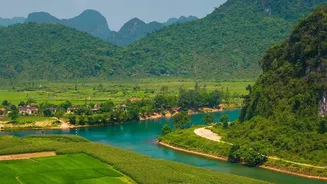
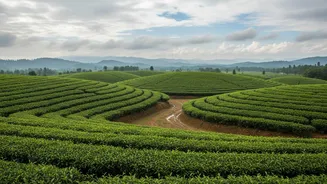
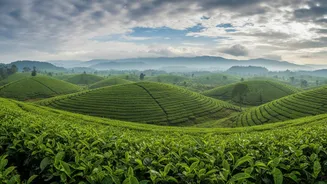
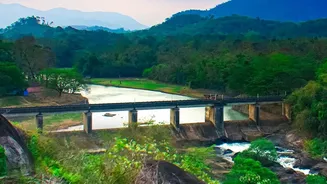
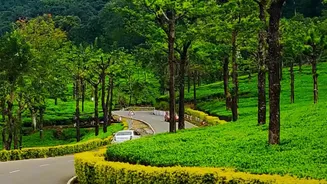
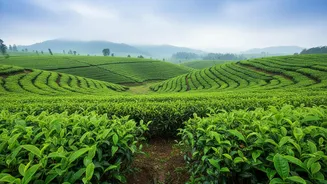
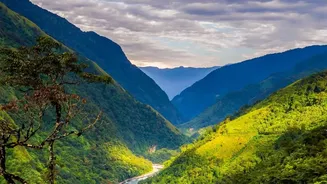
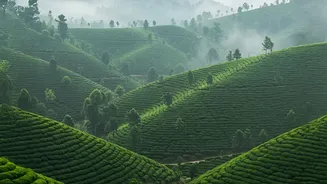
When the monsoon arrives in Assam, it performs a quiet, powerful transformation. The rains wash away the summer's heat, unveiling a lush, vibrant world. The mighty Brahmaputra river swells, tea gardens are drenched in a fresh, impossible green, and waterfalls, some dormant for months, cascade down misty hillsides. The air fills with the scent of wet earth and tea leaves. It’s a sensory experience that photographers and nature lovers are beginning to cherish, capturing tranquil rural scenes against dramatic, overcast skies. This seasonal makeover creates a picturesque setting, turning the entire state into a rain-washed paradise.
Where to Embrace the Rain
While some areas face challenges, many destinations in Assam become even more magical during the monsoon. Haflong, the state's only hill station, is a prime example, where clouds drift through valleys and the hills are thick with forests and orchids. The world's largest river island, Majuli, offers a unique cultural experience, with its ancient Vaishnavite monasteries (Satras) appearing even more mystical amidst the swelling river. Cities like Guwahati and Tezpur also take on a soulful charm; the rain adds a mystical layer to temples like Kamakhya, and a walk along the riverfront becomes a peaceful retreat. Even the historic monuments of Sivasagar seem to shine brighter when washed clean by the rain.
Beyond Sightseeing: Culture and Cuisine
Monsoon travel in Assam offers more than just scenic views; it's an opportunity to connect with the state's cultural heartbeat. The famous Ambubachi Mela at Guwahati's Kamakhya Temple takes place in June, drawing devotees who brave the rains for the significant spiritual event. It's also a perfect time to indulge in Assamese cuisine. Picture yourself sitting by a window, watching the rain fall, while sipping a hot cup of locally grown tea. Exploring the local food scene, from flavourful fish curries to comforting rice-based snacks, becomes a comforting and essential part of the monsoon journey.
Know Before You Go: Practical Tips
Travelling to Assam during the monsoon requires some planning. While the experience is rewarding, the rains can be relentless. It's important to know that major national parks like Kaziranga and Manas are typically closed from around June to October for visitor safety due to waterlogging. However, some buffer zones and other parks like Dibru-Saikhowa may remain open for activities like boat safaris. Flooding can cause road disruptions and travel delays, so it's wise to build extra buffer days into your itinerary and stay informed about local conditions. Pack waterproof jackets, non-slip footwear, and insect repellent. With the right preparation, a monsoon trip to Assam can be a safe and unforgettable adventure.