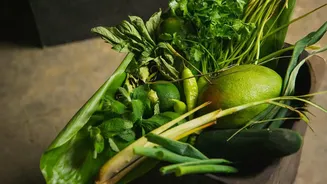


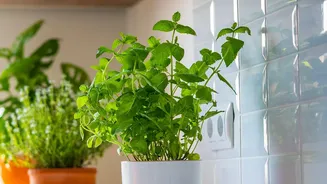

Imagine plucking fresh Tulsi for your morning tea or fragrant coriander for your dal, even in winter. A sunny kitchen windowsill is all you need to bring these essential Indian herbs indoors and enjoy their fresh flavours year-round.
Your Windowsill Herb Garden Setup
Before you begin planting,
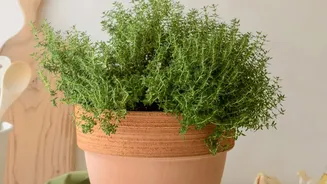
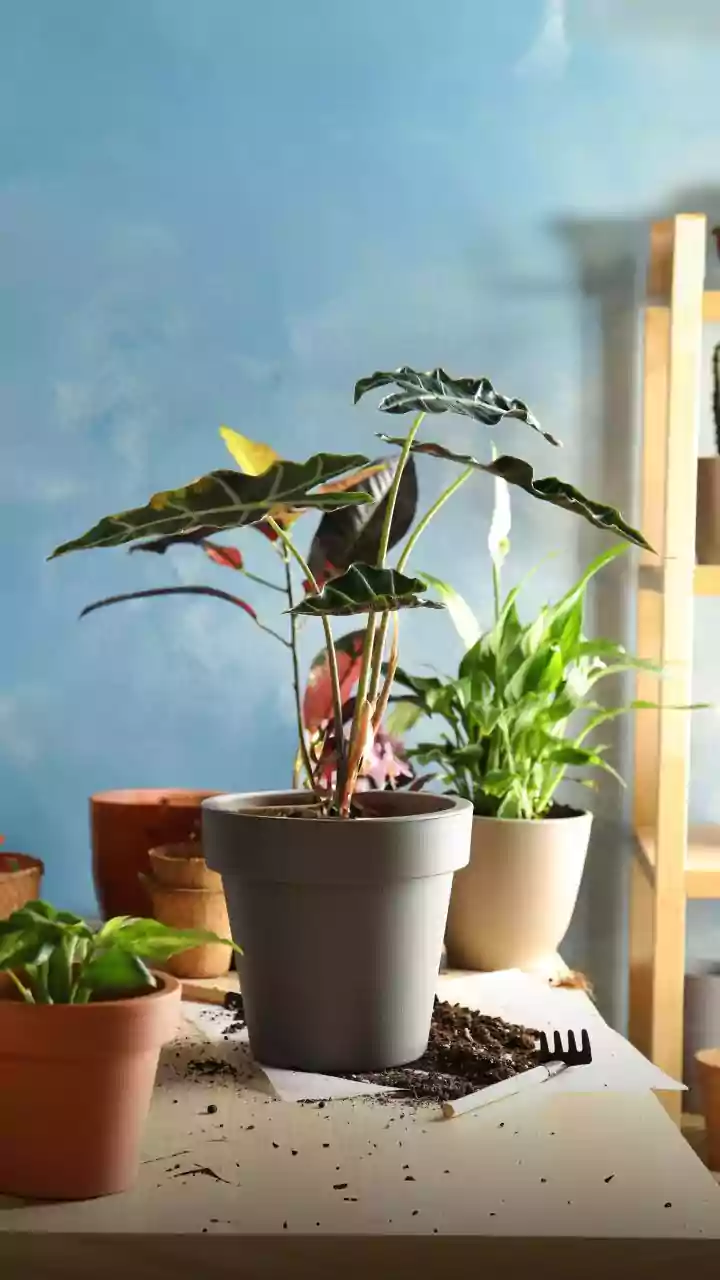
setting up your space correctly is the key to a thriving indoor herb garden. First, choose your containers. Pots should be at least six to eight inches in diameter with drainage holes at the bottom to prevent waterlogging, a common cause of root rot. Terracotta or ceramic pots work well. Next, select the right soil. Avoid using dense garden soil, which compacts in pots and can harbour pests. Instead, opt for a light, well-draining potting mix from a garden centre. These mixes are typically composed of peat moss, coir, and perlite, which provide the perfect balance of moisture retention and aeration for delicate herb roots. Finally, consider your light source. Most herbs need at least four to six hours of sunlight per day. A south-facing windowsill is often ideal during the winter months, but an east-facing window can also work. If your natural light is limited, a simple LED grow light can make all the difference, ensuring your plants don't become weak and 'leggy'.
The Queen Of Herbs: Growing Tulsi
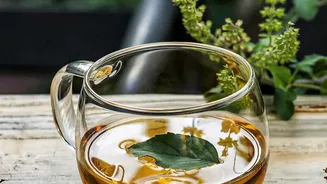
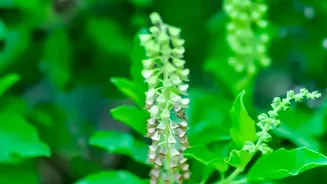
Tulsi, or Holy Basil, is revered in many Indian households and is a wonderful addition to your indoor garden. This herb loves warmth and sunlight. To thrive indoors, a Tulsi plant needs a minimum of four to six hours of sunlight daily. It is sensitive to cold, so keep it away from drafty windows and ensure your room temperature stays consistently above 15°C. You can grow Tulsi from seeds or cuttings. When growing from seed, sprinkle them on top of your potting mix and cover lightly with soil, keeping the surface moist until germination. For watering, the rule is to check the top inch of soil; if it feels dry, it's time to water. Be careful not to overwater, as Tulsi is susceptible to root rot. To encourage a bushier plant, regularly pinch off the flowering heads (manjari) before they go to seed. This directs the plant's energy into producing more of its aromatic leaves for your teas and remedies.
The Prolific Grower: Cultivating Mint
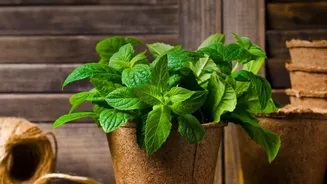
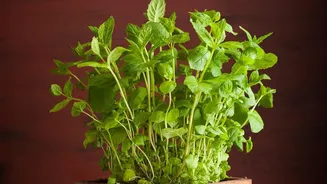
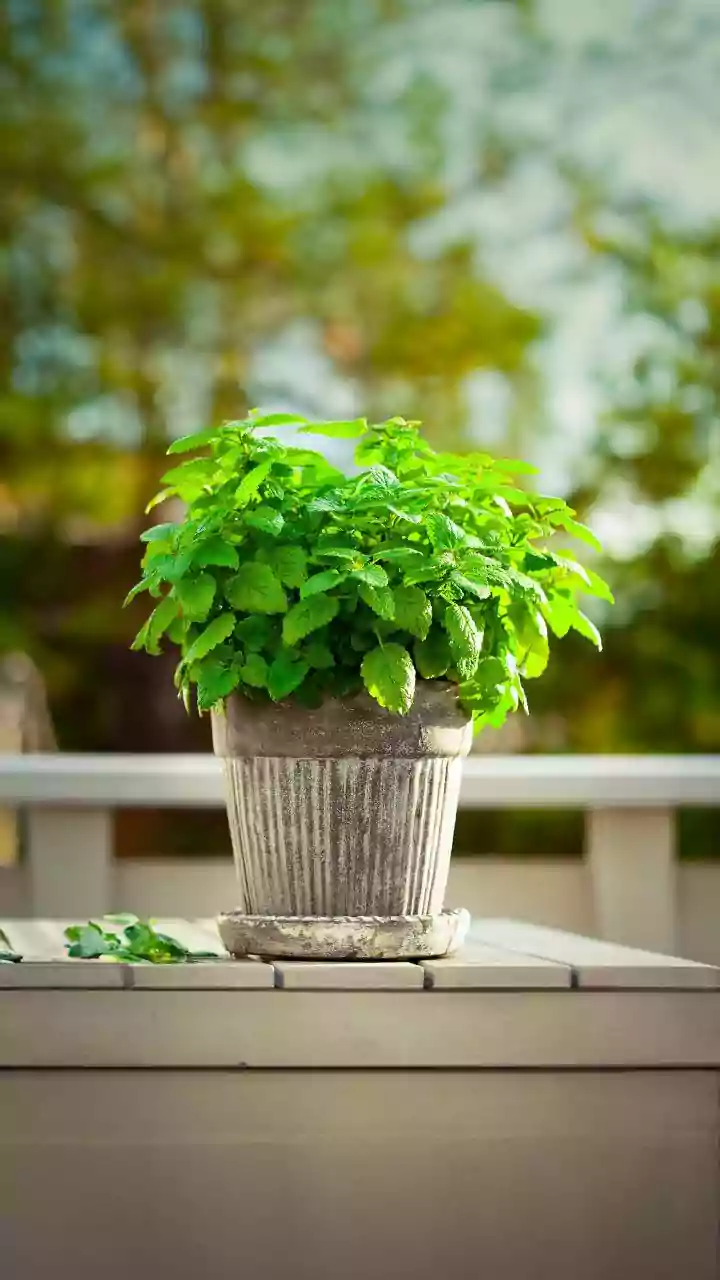
Mint is one of the most forgiving and rewarding herbs for beginners. Its vigorous nature, which can be a problem outdoors, becomes an advantage in a container. Mint is not overly fussy about sunlight but does best with four to six hours of bright, indirect light. An east-facing window is perfect. The easiest way to start a mint plant is from a cutting from an existing plant. Simply place a 5-6 inch stem in a glass of water, and roots should appear in a week or two. Once the roots are established, you can plant it in a pot with a good-quality potting mix. Mint prefers soil that is consistently moist but not soggy. Let the top inch of soil dry out between waterings. Regular harvesting is the secret to a happy mint plant. The more you trim, the more it will grow back, providing a steady supply of leaves for chutneys, raitas, and refreshing drinks. Rotate the pot weekly to ensure all sides get light and the plant grows evenly.
The Flavour Staple: Your Coriander Guide
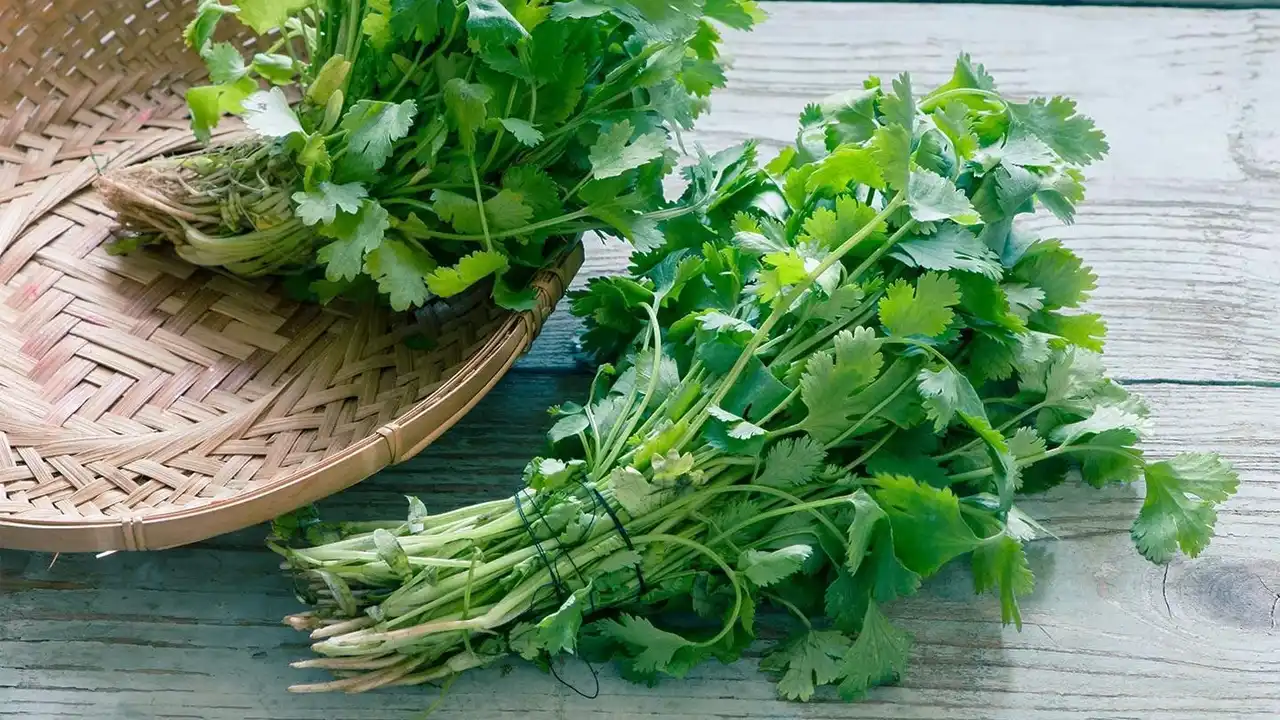
Fresh coriander, or dhania, is a staple in Indian cooking, but it can be tricky to grow indoors because it tends to 'bolt' (flower prematurely) in warm conditions. The key to success is providing it with cool temperatures and adequate light. Coriander prefers a spot with about four hours of direct sunlight; too much heat will hasten bolting. For better germination, gently crush the whole coriander seeds to split them and soak them in water overnight before planting. Sow the seeds directly into a wide pot, as coriander doesn't like having its roots disturbed. Cover them with about half an inch of soil and keep it moist. You can start harvesting leaves in about three to four weeks, once the plant is about six inches tall. To harvest, snip the outer leaves first, leaving the inner growth to continue producing. By sowing seeds every few weeks, you can ensure a continuous supply throughout the winter.
Common Issues and How to Fix Them
Even with the best care, you might encounter some issues. The most common problem with indoor herbs is overwatering, which leads to yellowing leaves and root rot. Always check the soil before watering; if it's still damp an inch below the surface, wait another day. Underwatering, on the other hand, can cause leaves to wilt and brown. Another issue, especially in winter, is low humidity from indoor heating. This can cause leaf tips to dry out and curl. To combat this, group your pots together to create a more humid micro-environment, or place them on a tray filled with pebbles and a little water. Finally, if you notice your plants are stretching and look pale, it's a clear sign they aren't getting enough light. Move them to a sunnier spot or supplement with a grow light for 12-14 hours a day.