




The Golden Rule of Emptying Trays
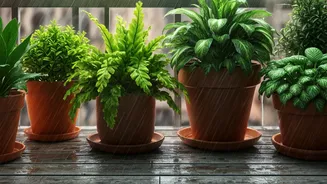
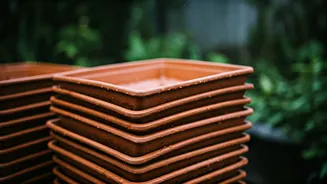
The single most critical mistake gardeners make during the monsoon is allowing pots to sit in water-filled trays or saucers. While these trays are useful in summer for catching drips and creating a humidity reservoir, in the rainy season they become a plant's
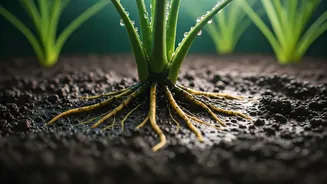
worst enemy. When a pot stands in stagnant water, the soil becomes completely saturated, filling every air pocket. This suffocates the roots, preventing them from breathing and leading to the dreaded root rot, a condition from which many plants cannot recover. Simply lifting your pots and emptying any collected water from their saucers after a downpour is a crucial first step. For even better results, remove the trays entirely for the season and elevate your pots on bricks or 'pot feet' to ensure excess water can drain away freely.
Rethink Your Watering Schedule
It seems counterintuitive, but you must still monitor your plants' water needs during the monsoon. The frequent rain does not mean you can stop watering altogether, but you must adjust your schedule. Never water on a fixed routine. The key is to check the soil moisture before reaching for the watering can. Stick your finger about an inch into the soil; if it feels damp, hold off for another day or two. The combination of high humidity and reduced sunlight means that the soil will dry out much more slowly. Overwatering is one of the quickest ways to kill a plant during this season, so let the soil, not the calendar, be your guide.
Prune for Better Airflow
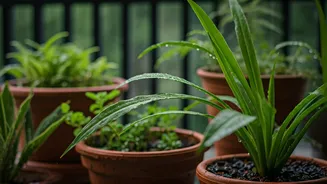
High humidity is a major challenge during the monsoon, creating the perfect breeding ground for fungal diseases like powdery mildew. To combat this, strategic pruning is essential. Trim away dense foliage, dead or yellowing leaves, and any branches that are crowding the centre of the plant. This practice improves air circulation through the canopy, allowing leaves to dry faster after a rain shower and significantly reducing the risk of fungal infections. A well-pruned plant is a healthier plant, better equipped to handle the stresses of the wet season.
Guard Against Pests and Fungi
The damp, humid conditions of the monsoon are an open invitation for pests like aphids, mealybugs, snails, and slugs. Regular inspection is your best defence. Check the undersides of leaves and around new shoots for any signs of infestation. For many common pests, a simple, organic solution like a neem oil spray can be highly effective. To prevent fungal growth, you can sprinkle a little cinnamon powder on the soil, which acts as a natural fungicide. If you spot any diseased leaves or stems, remove them immediately to prevent the problem from spreading.
Fertilise with Caution
The monsoon is a major growing season, but heavy rains can wash away vital nutrients from the soil, a process known as leaching. While your plants need feeding, you must be careful. Fertilising waterlogged soil can do more harm than good and granular fertilisers can easily get washed away. It's best to wait for a dry spell between rains to fertilise. Opt for organic, slow-release fertilisers or use a diluted liquid feed, like vermicompost tea or seaweed extract. Applying liquid fertiliser as a foliar spray (spraying it on the leaves) can also be effective, as plants can absorb nutrients directly this way when their roots are already saturated.
Ensure Your Soil is Draining Well
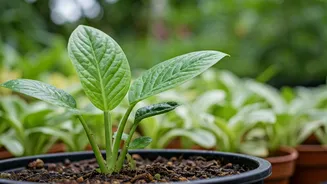
The right soil mix is fundamental to surviving the monsoon. Heavy, dense soil retains too much water, leading to root rot. If your plants are struggling, you may need to repot them into a better-draining medium. A good potting mix for the rainy season should be light and airy. You can improve your existing soil by adding materials like sand, perlite, or cocopeat, which create air pockets and help excess water drain away quickly. Also, make sure the drainage holes in your pots are not clogged. A well-draining soil is the foundation of healthy roots.