





A Trio of Digestive Champions
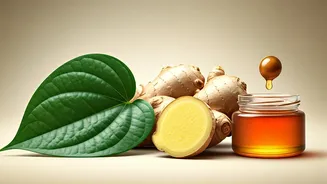
This isn't just another herbal tea. It's a strategic combination of three powerful ingredients, each with a long history of being used to support digestive health. Betel leaf (paan), ginger (adrak), and green tea come together to create a soothing brew
that targets the discomfort of bloating from multiple angles. While betel leaf and ginger are celebrated in Ayurveda and home remedies across India for their digestive properties, green tea adds a modern touch with its antioxidant benefits, creating a holistic and effective infusion.
Betel Leaf: The Carminative King
For centuries, chewing a betel leaf after a meal has been a common practice in India, and for good reason. Betel leaves are known to be excellent carminatives, which means they help prevent the formation of gas in the gastrointestinal tract and facilitate its expulsion. This action directly combats the primary cause of bloating. The essential oils in the leaf stimulate the secretion of digestive juices, making it easier for your stomach to break down heavy foods. It also has mild analgesic properties that can help ease the discomfort and cramping associated with indigestion and gas.
Ginger: The Soothing Powerhouse
Ginger is perhaps one of the most famous digestive aids in the world. Its active compound, gingerol, is a potent anti-inflammatory and antioxidant. It works by relaxing the intestinal muscles, which allows trapped gas to pass more easily and relieves painful cramping. Ginger also helps speed up stomach emptying, a process known as gastric motility. When food sits in the stomach for too long, it can lead to indigestion and a feeling of excessive fullness. By encouraging things to move along smoothly, ginger helps prevent bloating before it even starts.
Green Tea: The Gentle Antioxidant Base
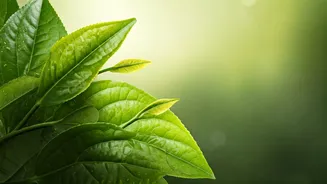
While betel leaf and ginger do the heavy lifting, green tea provides the perfect base for this digestive brew. It is packed with catechins, a type of antioxidant that can help reduce inflammation throughout the body, including in the digestive system. While not a primary de-bloating agent on its own, its mild diuretic effect can help flush out excess water retention, which sometimes contributes to a bloated feeling. More importantly, it serves as a hydrating, healthy liquid to carry the benefits of the other two ingredients, without the heaviness of milk-based drinks.
How to Make Your Digestive Tea
Making this tea is incredibly simple. You don't need any fancy equipment, just a few fresh ingredients. **Ingredients:** - 1-2 fresh betel leaves (paan patta) - 1-inch piece of fresh ginger (adrak), lightly crushed or grated - 1 green tea bag or 1 teaspoon of loose-leaf green tea - 1.5 cups of water - Honey or jaggery to taste (optional) **Instructions:** 1. Wash the betel leaves thoroughly. Tear them into smaller pieces. 2. In a small saucepan, add the water, torn betel leaves, and crushed ginger. 3. Bring the mixture to a boil, then reduce the heat and let it simmer for 5-7 minutes. This allows the beneficial compounds to infuse into the water. 4. Turn off the heat. Add the green tea bag or leaves to the pot and let it steep for 2-3 minutes. Do not over-steep, as it can make the tea bitter. 5. Strain the tea into a cup. Add honey or jaggery if you prefer a little sweetness. Your digestive tea is ready to be enjoyed.
When to Drink and What to Expect
The best time to have this tea is about 20-30 minutes after a heavy meal, especially lunch or dinner. This allows it to work with your body’s natural digestive processes. It can also be consumed when you first start feeling the signs of bloating or gas. It’s not a magic cure, but a gentle, supportive remedy. You should feel a gradual easing of discomfort and pressure. Regular consumption after heavy meals can help prevent the frequent occurrence of bloating by promoting better overall digestion.