


The Non-Negotiable PUC Certificate
First and foremost, your vehicle's Pollution Under Control (PUC) certificate is mandatory. As of October 1, 2026, a targeted enforcement drive is in effect across Delhi. If your vehicle is caught without a valid PUC, you could face a hefty fine of up
to ₹10,000. This rule applies to all petrol, diesel, and CNG vehicles. Electric vehicles are exempt. A PUC certificate is valid for one year for BS-IV and BS-VI compliant vehicles and must be renewed before expiry. Authorities are also working to make the monitoring and functioning of PUC centres more effective through technology to ensure reliability.
‘No PUC, No Fuel’ Is Now A Reality
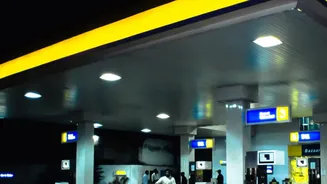
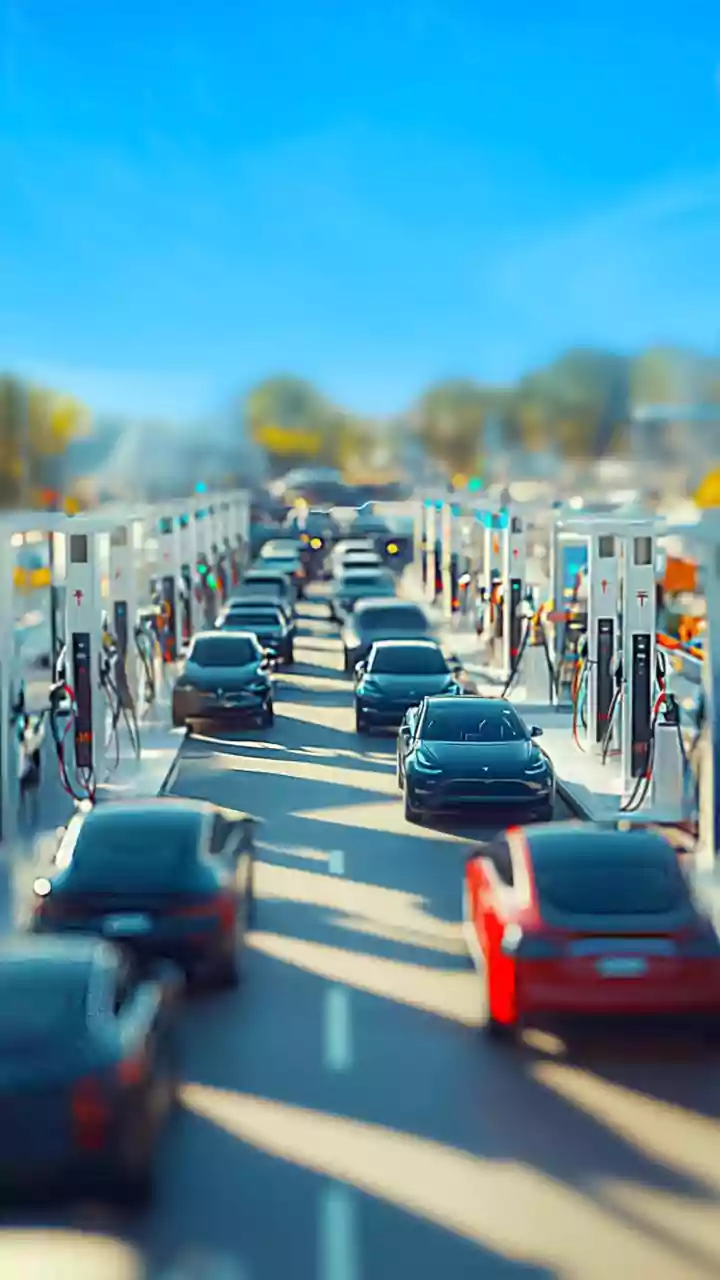
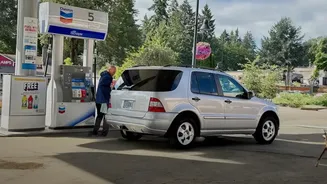
The much-discussed 'No PUC, No Fuel' rule is now being strictly enforced across Delhi-NCR. From October 1, 2026, fuel stations have been directed to deny petrol, diesel, or CNG to any vehicle that does not have a valid PUC certificate. In Delhi, around 500 fuel stations are being equipped with Automatic Number Plate Recognition (ANPR) cameras. These cameras automatically check your vehicle's registration number against the Parivahan database to verify its PUC status. The rollout of this rule has led to long queues at both fuel stations and PUC renewal centres as authorities escalate their efforts to curb vehicle emissions ahead of the winter pollution season.
Understanding GRAP and Vehicle Restrictions
With winter comes the Graded Response Action Plan (GRAP), a set of emergency measures to combat air pollution. As of early October 2026, the revised GRAP rules are in place. While strict PUC enforcement is part of Stage I, more severe restrictions apply as the air quality worsens. Under Stage III, which is triggered when the AQI is between 401 and 450, there are curbs on BS-III petrol and BS-IV diesel light motor vehicles. These restrictions apply not just in Delhi but also in the high-density NCR districts of Gurugram, Faridabad, Sonipat, Ghaziabad, and Gautam Buddha Nagar (Noida). It is crucial to remember that having a valid PUC does not exempt your vehicle from these GRAP-related restrictions.
Check Your Number Plate: HSRP and Stickers
Compliance doesn't end with emissions. High-Security Registration Plates (HSRP) and colour-coded fuel stickers are mandatory for all vehicles in Delhi. The colour-coded sticker—light blue for petrol and CNG, orange for diesel—is affixed to the windscreen and helps in identifying a vehicle's fuel type. Vehicles registered before April 1, 2019, must be retrofitted with both HSRP and a sticker. Driving without them can result in a fine of up to ₹10,000, which can be compounded to ₹5,500. If you have applied for an HSRP and are waiting for installation, be sure to carry the application slip, as that can exempt you from a fine during checks.
New Rules for Traffic Challans
The process for handling traffic challans has also been digitized and made stricter. A new system provides a 45-day window to either pay a challan or contest it online through a designated portal. If you fail to act within this period, the challan is considered accepted. If you choose to challenge a challan and your grievance is rejected, you must deposit 50% of the fine amount before you can appeal the matter in court. Furthermore, traffic police are now equipped with handheld devices for on-the-spot digital payments via UPI or cards, making the entire process faster and more transparent.