




A New Non-Stop Option Arrives
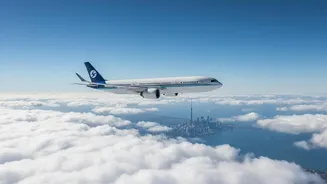
Air India has announced a new seasonal, non-stop service between Mumbai and Toronto, slated to operate three times a week from October 25, 2026, to March 26, 2027. This makes it the only carrier scheduled to fly direct between the two major cultural and economic
hubs this winter, adding a significant number of seats to a high-demand route. Previously, travellers often faced one or two stops. The service will use a Boeing 777-300ER with upgraded interiors, signalling a push for a better passenger experience. This renewed focus on the India-Canada corridor is welcome news, but it also brings the complex world of modern airline pricing to the forefront.
Decoding 'Basic' vs. 'Standard' Fares
Airlines have mastered the art of unbundling fares. The lowest price you see, often labelled 'Basic Economy', is rarely the final price you pay. This fare class was created to compete with budget carriers, stripping out amenities that were once standard. For a long-haul international flight like Mumbai to Toronto, a Basic fare might not include a checked bag, advance seat selection, or the flexibility to change your ticket. A 'Standard' Economy fare, while costing more upfront, often bundles in the first checked bag and allows for seat selection in standard rows, which can be cheaper than buying a Basic ticket and adding these extras separately.
The Baggage Equation: A Major Cost Factor
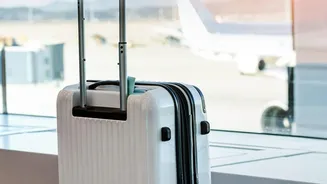
For travellers on the India-Canada route, who are often visiting family for extended periods, baggage is a crucial consideration. A Basic Economy ticket on an airline like Air Canada for its North American routes typically does not include a free checked bag. Adding a 23 kg bag can cost a significant amount each way. In contrast, a Standard fare usually includes one checked bag for free. Before being lured by a low base fare, calculating the round-trip cost of the baggage you actually need is essential. For a family of four, these fees can quickly add hundreds of dollars to the total cost, completely erasing the initial savings of a 'cheaper' ticket.
The Price of Picking Your Seat
On a flight that can last over 15 hours, where you sit matters. Airlines know this and have turned seat selection into another revenue stream. With a Basic fare, your seat is typically assigned at check-in, meaning you could be separated from your travel companions or end up in a middle seat at the back of the plane. If you want to choose your seat in advance—even a standard aisle or window seat—you’ll have to pay. 'Preferred' seats with extra legroom or a more forward position come at an even higher premium. A Standard fare may include free selection of standard seats, giving you more control and comfort without an extra line item on your bill.
Comparing the True All-In Cost
To make an informed decision, travellers must think like accountants. Don't just compare the headline prices on travel websites. Open a spreadsheet and create columns for each airline or fare type. List the base fare, and then add the projected costs for each traveller: checked baggage (both ways), carry-on bags if applicable, advance seat selection, and any other 'must-have' amenities. Only by summing up all these components can you see the true, 'full fare' cost of your journey. Often, the ticket that looks more expensive at first glance proves to be the better value once all the ancillary fees are factored in.