




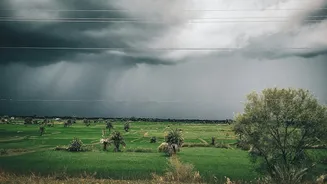
Understanding the October Weather Shift
October is a transitional month for weather in Southern India. While the extensive Southwest Monsoon withdraws, the Northeast Monsoon, also known as the retreating monsoon, begins to affect the peninsula. This season primarily brings rainfall to Tamil
Nadu, Puducherry, Kerala, Coastal Andhra Pradesh, and parts of Karnataka. According to the India Meteorological Department (IMD), the onset for 2026 is expected around October 15, bringing a wet spell that could last for several days. Travelers can expect moderate to heavy rainfall, often in intense but short bursts, along with thunderstorms and gusty winds. This is a crucial difference from the persistent drizzle of the main monsoon, meaning your travel plans need to be flexible.
Pre-Trip Planning: Check Reliable Forecasts
Before you even pack your bags, make it a habit to check daily weather updates from official sources. The IMD provides regular, detailed bulletins for different regions. Pay close attention to any 'heavy rainfall' or 'thunderstorm' warnings for your specific destinations. Many state disaster management authorities also provide localized alerts, which are invaluable for real-time planning. Having a couple of buffer days in your itinerary is a wise strategy, as sudden downpours can cause temporary disruptions to transport and sightseeing plans.
Navigating Road Conditions and Routes
Monsoon rains can significantly impact road travel. In hilly regions like Munnar, Coorg, Ooty, and Wayanad, there is a heightened risk of landslides and slippery roads. In the past, heavy rains have led to road closures on routes like the Munnar-Adimali road and the Athirappilly-Malakkapara highway. Coastal and low-lying areas, especially in Kerala's backwaters and parts of Tamil Nadu, can experience waterlogging, making roads temporarily impassable. A new concern on wider highways like NH-66 in Kerala is aquaplaning, where a layer of water causes tires to lose traction. Always drive slowly, maintain a safe distance from the vehicle ahead, and avoid driving through flooded roads where you cannot gauge the depth. Check local traffic police advisories for any closures before starting your journey.
Vehicle and Driving Safety
If you are planning a road trip, a pre-trip vehicle check is non-negotiable. Ensure your tires have adequate tread, your windshield wipers are in perfect working condition, and your brakes and headlights are fully functional. The risk of aquaplaning on smooth, wet tarmac is real, and good tires can make all the difference. Driving at night during heavy rain should be avoided whenever possible due to reduced visibility. Be extra cautious on winding roads and near blind curves. Perhaps the most important rule is to never underestimate the power of flowing water; if a road is flooded, turn back and find an alternative route.
What to Pack for a Monsoon Trip
Packing smart can make your monsoon trip much more comfortable. Prioritize quick-drying clothing and avoid heavy fabrics like denim. A reliable raincoat or poncho and a sturdy umbrella are essential. For footwear, choose anti-slip, waterproof sandals or boots over heels or canvas shoes. Protect your electronics by carrying them in waterproof bags or using dedicated waterproof pouches. A power bank is a must-have, as power cuts can occur during heavy storms. Finally, a basic first-aid kit with medicines for common ailments like colds and indigestion, along with an insect repellent, is always a good idea.